Genre
classic nepali pop
Top Classic nepali pop Artists
Showing 25 of 138 artists











About Classic nepali pop
Classic Nepali pop is a melodic bridge between Nepal’s folk sensibilities and the capital’s growing appetite for Western-influenced songcraft. Grounded in warmth, accessible hooks, and earnest storytelling, this genre carved out a distinctly Nepali strand of modern pop that felt both contemporary and intimate. It thrives on neat melodic lines, guitar and keyboard textures, and arrangements that support the voice rather than overwhelm it. For enthusiasts, classic Nepali pop offers a catalog of enduring songcraft—romantic ballads, lightly buoyant anthems, and intimate tunes that capture longing, memory, and everyday life in a way that feels unmistakably Kathmandu and unmistakably universal at the same time.
The birth of classic Nepali pop is best read as a late-20th-century phenomenon. In the 1960s through the 1980s, Nepal’s musical landscape was dominated by Geet and Lok songs performed on radio and stage, but as recording technology permeated homes and cities, a new generation began to fuse Western pop structures with Nepali melodic idioms. Radio Nepal and the burgeoning cassette culture of the 1980s helped normalize a more streamlined, radio-friendly aesthetic. Songwriters experimented with verse-chorus form, tasteful synthesizers, and guitar-driven arrangements, while language and sentiment remained deeply Nepali—poised to reach both the heart and the head. The result was a repertoire that felt modern without abandoning the country’s musical memory. This is what many listeners mean when they speak of the “classic” era: music that defined pop in Nepal before the globalization of the 1990s and 2000s reshaped its soundscapes.
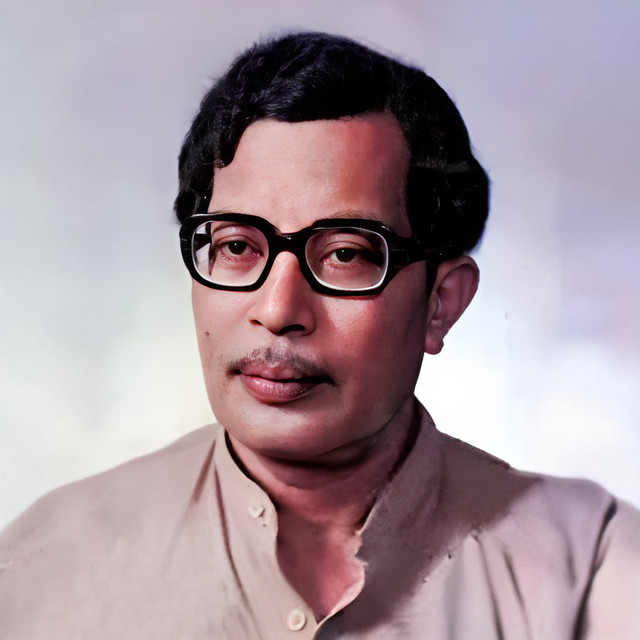
Key artists and ambassadors anchor the genre’s identity. Narayan Gopal stands as a towering figure—the archetype of the classic Nepali romantic style, whose emotionally charged vocals and finely tuned phrasing became a template for later singers. He is often cited as the voice that defined modern Nepali vocal aesthetics. In subsequent decades, other celebrated voices helped carry the torch into homes and cars across Nepal and beyond. Anju Panta, Indira Joshi, and similar figures became synonymous with pop that feels both polished and heartfelt, translating the genre’s essentials—clear melody, expressive lyricism, and a sense of intimate storytelling—into broad appeal. These artists acted as cultural ambassadors, connecting listeners to a distinctly Nepali pop identity even as production and distribution grew international.
Geographically, classic Nepali pop found its strongest footing in Nepal, where television, radio, and later music videos created a shared sonic vocabulary. It also resonated with Nepali-speaking communities abroad. Large diaspora pockets in India (notably Darjeeling and Sikkim), the United Kingdom, the United States, and Australia sustained demand for Nepali pop through concerts, radio programs, and later online platforms. In these communities, the genre functioned as cultural glue—nostalgic armor against displacement and a stylish sign of belonging. While contemporary pop in Nepal and among the diaspora continues to evolve, classic Nepali pop remains a touchstone for anyone exploring the lineage of Nepal’s modern music, a starting point that reveals how far the country has come while preserving a melodic memory that listeners still reach for with fond recognition.
For music enthusiasts, the allure lies in the craft: crisp vocal lines, tasteful arrangements, and lyrics that linger. Classic Nepali pop is not merely a sound; it is a repository of mood, memory, and a shared cultural moment that still invites rediscovery, re-interpretation, and a fresh listen.
The birth of classic Nepali pop is best read as a late-20th-century phenomenon. In the 1960s through the 1980s, Nepal’s musical landscape was dominated by Geet and Lok songs performed on radio and stage, but as recording technology permeated homes and cities, a new generation began to fuse Western pop structures with Nepali melodic idioms. Radio Nepal and the burgeoning cassette culture of the 1980s helped normalize a more streamlined, radio-friendly aesthetic. Songwriters experimented with verse-chorus form, tasteful synthesizers, and guitar-driven arrangements, while language and sentiment remained deeply Nepali—poised to reach both the heart and the head. The result was a repertoire that felt modern without abandoning the country’s musical memory. This is what many listeners mean when they speak of the “classic” era: music that defined pop in Nepal before the globalization of the 1990s and 2000s reshaped its soundscapes.
Key artists and ambassadors anchor the genre’s identity. Narayan Gopal stands as a towering figure—the archetype of the classic Nepali romantic style, whose emotionally charged vocals and finely tuned phrasing became a template for later singers. He is often cited as the voice that defined modern Nepali vocal aesthetics. In subsequent decades, other celebrated voices helped carry the torch into homes and cars across Nepal and beyond. Anju Panta, Indira Joshi, and similar figures became synonymous with pop that feels both polished and heartfelt, translating the genre’s essentials—clear melody, expressive lyricism, and a sense of intimate storytelling—into broad appeal. These artists acted as cultural ambassadors, connecting listeners to a distinctly Nepali pop identity even as production and distribution grew international.
Geographically, classic Nepali pop found its strongest footing in Nepal, where television, radio, and later music videos created a shared sonic vocabulary. It also resonated with Nepali-speaking communities abroad. Large diaspora pockets in India (notably Darjeeling and Sikkim), the United Kingdom, the United States, and Australia sustained demand for Nepali pop through concerts, radio programs, and later online platforms. In these communities, the genre functioned as cultural glue—nostalgic armor against displacement and a stylish sign of belonging. While contemporary pop in Nepal and among the diaspora continues to evolve, classic Nepali pop remains a touchstone for anyone exploring the lineage of Nepal’s modern music, a starting point that reveals how far the country has come while preserving a melodic memory that listeners still reach for with fond recognition.
For music enthusiasts, the allure lies in the craft: crisp vocal lines, tasteful arrangements, and lyrics that linger. Classic Nepali pop is not merely a sound; it is a repository of mood, memory, and a shared cultural moment that still invites rediscovery, re-interpretation, and a fresh listen.