Genre
classic russian rock
Top Classic russian rock Artists
Showing 25 of 42 artists






About Classic russian rock
Classic Russian rock is the first generation of Russian-language rock that took shape in the Soviet Union and carried its message into the early post-Soviet years. Roughly spanning from the late 1960s through the 1980s and into the early 1990s, it is defined as a poetic, guitar-driven, emotionally charged tradition that fused Western rock with distinctly Russian lyrics, melody, and mood. It grew in a climate of censorship and cultural constraint, yet it thrived in underground scenes, private apartments, and taped samizdat circuits long before it could be broadcast freely on the radio.
The birth of classic Russian rock is inseparable from the underground networks that connected Moscow, Leningrad (now St. Petersburg), and other cities. Kvartirniki—informal, intimate concerts held in people’s apartments—became a lifeline for artists who were kept off official stages. Early bands drew on Western rock, folk, and bard traditions, while gradually developing a Russian sensibility: more introspective, more literary, and often more subtle about social critique. The movement’s vitality rested on the courage of its musicians to write and perform in Russian, treating everyday life, longing, and political reality with a poet’s eye.
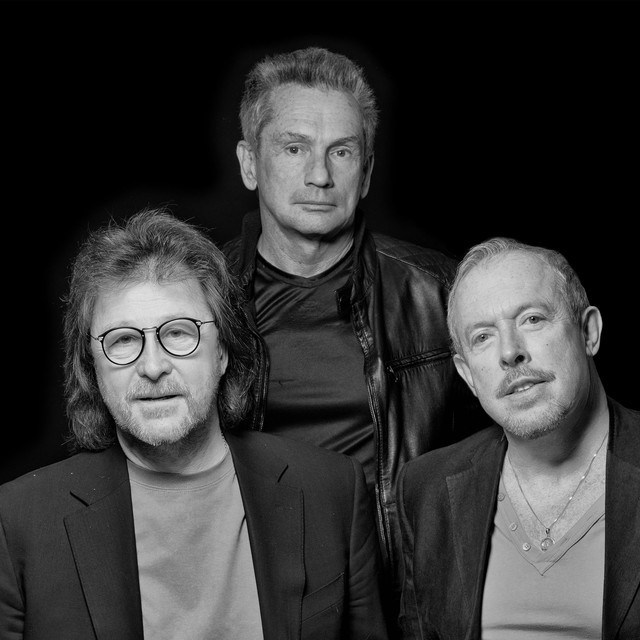
Among the genre’s most influential acts and its ambassadors are Mashina Vremeni (Time Machine), Aquarium (Akvarium), Kino, Zemlyane, and DDT. Mashina Vremeni, led by Andrei Makarevich, helped define a mature, melodic rock that could mix irony with social observation. Boris Grebenshchikov’s Aquarium helped fuse folk-inflected textures with rock propulsion and a shamanic sense of imagery. Viktor Tsoi and his band Kino became the emblematic voice of a generation, their anthemic songs and stark realism resonating across the Soviet Union during the perestroika era. Yuri Shevchuk’s DDT brought a wilder, more direct approach, combining hardened guitars with pointed, often political lyrics. Together, these artists set the template for what many fans consider the “classic” sound: clear melodies, thoughtful if sometimes opaque lyrics, and a willingness to push against cultural boundaries.
Musically, classic Russian rock blends clean, guitar-forward rock with folk textures, poetic and often existential lyrics, and a penchant for memorable choruses. It also inherits the Russian bard tradition—where storytelling and lyric strength matter as much as the music itself—while embracing the energy and punch of rock. The result is songs that could feel intimate and fragile one moment and powerful and anthemic the next.
Today, classic Russian rock remains most popular in Russia and other former Soviet states—Ukraine, Belarus, the Baltic states—and among Russian-speaking communities around the world. Diaspora pockets in Israel, the United States, Germany, and elsewhere keep the music alive for new generations. In these communities, the genre endures not merely as nostalgia but as a living thread in a broader culture of language, memory, and identity. For enthusiasts, it’s a lens into the late Soviet imagination and the birth of post-Soviet popular culture, a time when rock became a credible voice for youth, dissent, and longing in a changing world.
The birth of classic Russian rock is inseparable from the underground networks that connected Moscow, Leningrad (now St. Petersburg), and other cities. Kvartirniki—informal, intimate concerts held in people’s apartments—became a lifeline for artists who were kept off official stages. Early bands drew on Western rock, folk, and bard traditions, while gradually developing a Russian sensibility: more introspective, more literary, and often more subtle about social critique. The movement’s vitality rested on the courage of its musicians to write and perform in Russian, treating everyday life, longing, and political reality with a poet’s eye.
Among the genre’s most influential acts and its ambassadors are Mashina Vremeni (Time Machine), Aquarium (Akvarium), Kino, Zemlyane, and DDT. Mashina Vremeni, led by Andrei Makarevich, helped define a mature, melodic rock that could mix irony with social observation. Boris Grebenshchikov’s Aquarium helped fuse folk-inflected textures with rock propulsion and a shamanic sense of imagery. Viktor Tsoi and his band Kino became the emblematic voice of a generation, their anthemic songs and stark realism resonating across the Soviet Union during the perestroika era. Yuri Shevchuk’s DDT brought a wilder, more direct approach, combining hardened guitars with pointed, often political lyrics. Together, these artists set the template for what many fans consider the “classic” sound: clear melodies, thoughtful if sometimes opaque lyrics, and a willingness to push against cultural boundaries.
Musically, classic Russian rock blends clean, guitar-forward rock with folk textures, poetic and often existential lyrics, and a penchant for memorable choruses. It also inherits the Russian bard tradition—where storytelling and lyric strength matter as much as the music itself—while embracing the energy and punch of rock. The result is songs that could feel intimate and fragile one moment and powerful and anthemic the next.
Today, classic Russian rock remains most popular in Russia and other former Soviet states—Ukraine, Belarus, the Baltic states—and among Russian-speaking communities around the world. Diaspora pockets in Israel, the United States, Germany, and elsewhere keep the music alive for new generations. In these communities, the genre endures not merely as nostalgia but as a living thread in a broader culture of language, memory, and identity. For enthusiasts, it’s a lens into the late Soviet imagination and the birth of post-Soviet popular culture, a time when rock became a credible voice for youth, dissent, and longing in a changing world.