Genre
classic sudanese pop
Top Classic sudanese pop Artists
Showing 12 of 12 artists


About Classic sudanese pop
Classic Sudanese pop is the urban, radio-friendly heartbeat of Sudan’s modern music heritage. Born from a convergence of local folk laments, Nubian-inflected melodies, and the burgeoning Arabic pop that swept the region in the post-independence era, it crystallized in Khartoum’s studios and clubs from the late 1950s onward. It thrives on simple, memorable melodies anchored by polished production, yet remains deeply rooted in Sudanese identity—language, courtly and street sensibilities, and a shared sense of nationhood.
The genre’s birth was tied to a broader wave of cultural modernization in Sudan. As radio reach expanded and musicians experimented with electric guitars, keyboards, and orchestral textures, composers grafted Western pop songcraft onto Sudanese scales and rhythms. The result was songs that could sit on a vinyl record beside Egyptian or Levantine pop, yet clearly speak in Sudanese voices. This era produced a durable repertoire of love songs, social narratives, and patriotic pieces that helped define a generation’s mood and memory.
Two ambassadors most often frame the classic Sudanese pop canon. Mohamed Wardi stands as a towering figure—the voice associated with resilience, heart, and a broad emotional spectrum. His performances—broadcast across the Nile and beyond—helped legitimize a distinctly Sudanese popular idiom while expanding its reach across Africa and the Arab world. Abdel Gadir Salim followed as another pillar of the genre, a virtuoso arranger and singer who fused Nubian and Sufi-inflected motifs with modern orchestration, creating lush, cinematic textures that became instantly recognizable and influential. Together, they illustrate how classic Sudanese pop could be intimate and romantic yet ambitiously orchestrated and socially resonant.
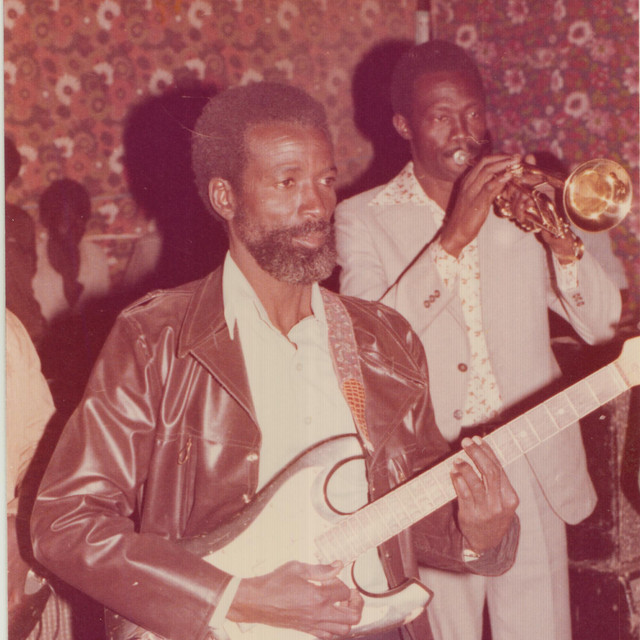
Musically, the style sits at a crossroads. It often centers a melodic vocal line delivered in Sudanese Arabic, layered with bright guitar hooks, accordion or keyboards, steady bass, and tasteful brass or string sections. Horns and percussion provide a punchy, danceable backbone, while the arrangements retain airiness in the verses and warmth in the chorus. The influence of Nubian musical sensibilities can appear in modal sensibilities, rhythmic shifts, and a certain soulful openness that invites communal singing. The production values—clean studio takes, memorable hooks, and readily singable refrains—make the music accessible while allowing for emotional depth in slower ballads.
Geographically, classic Sudanese pop is most popular in Sudan, where it remains part of the cultural vocabulary and school curricula of memory. It also circulates in neighboring countries with strong cultural ties—Egypt, Chad, and parts of the Horn—especially through radio, diaspora communities, and regional festivals. In recent decades, a global Sudanese diaspora in Europe, the Gulf, and North America has kept the genre alive, presenting it to new listeners and inspiring contemporary reworkings.
Listening guides for enthusiasts: seek early-signal albums from the 1960s–1980s, note the blend of traditional modes with Western pop songcraft, and listen for the balance of voice, melody, and orchestration that gives classic Sudanese pop its lasting charm. The genre rewards attentive listening—its warmth, storytelling, and craft reveal a culture negotiating modernity with grace.
The genre’s birth was tied to a broader wave of cultural modernization in Sudan. As radio reach expanded and musicians experimented with electric guitars, keyboards, and orchestral textures, composers grafted Western pop songcraft onto Sudanese scales and rhythms. The result was songs that could sit on a vinyl record beside Egyptian or Levantine pop, yet clearly speak in Sudanese voices. This era produced a durable repertoire of love songs, social narratives, and patriotic pieces that helped define a generation’s mood and memory.
Two ambassadors most often frame the classic Sudanese pop canon. Mohamed Wardi stands as a towering figure—the voice associated with resilience, heart, and a broad emotional spectrum. His performances—broadcast across the Nile and beyond—helped legitimize a distinctly Sudanese popular idiom while expanding its reach across Africa and the Arab world. Abdel Gadir Salim followed as another pillar of the genre, a virtuoso arranger and singer who fused Nubian and Sufi-inflected motifs with modern orchestration, creating lush, cinematic textures that became instantly recognizable and influential. Together, they illustrate how classic Sudanese pop could be intimate and romantic yet ambitiously orchestrated and socially resonant.
Musically, the style sits at a crossroads. It often centers a melodic vocal line delivered in Sudanese Arabic, layered with bright guitar hooks, accordion or keyboards, steady bass, and tasteful brass or string sections. Horns and percussion provide a punchy, danceable backbone, while the arrangements retain airiness in the verses and warmth in the chorus. The influence of Nubian musical sensibilities can appear in modal sensibilities, rhythmic shifts, and a certain soulful openness that invites communal singing. The production values—clean studio takes, memorable hooks, and readily singable refrains—make the music accessible while allowing for emotional depth in slower ballads.
Geographically, classic Sudanese pop is most popular in Sudan, where it remains part of the cultural vocabulary and school curricula of memory. It also circulates in neighboring countries with strong cultural ties—Egypt, Chad, and parts of the Horn—especially through radio, diaspora communities, and regional festivals. In recent decades, a global Sudanese diaspora in Europe, the Gulf, and North America has kept the genre alive, presenting it to new listeners and inspiring contemporary reworkings.
Listening guides for enthusiasts: seek early-signal albums from the 1960s–1980s, note the blend of traditional modes with Western pop songcraft, and listen for the balance of voice, melody, and orchestration that gives classic Sudanese pop its lasting charm. The genre rewards attentive listening—its warmth, storytelling, and craft reveal a culture negotiating modernity with grace.