Genre
classical harp
Top Classical harp Artists
Showing 25 of 42 artists









About Classical harp
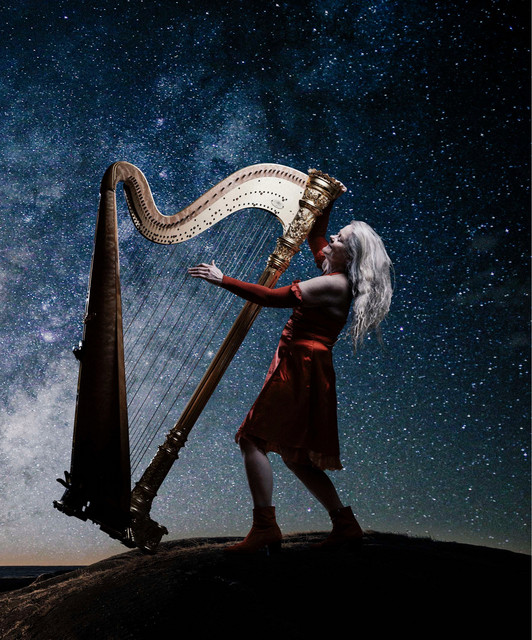
Classical harp, often invoked as the concert harp, is not a stand-alone genre but a distinctive voice within the Western classical tradition. It centers the pedal harp, a large instrument with roughly 47 strings whose pitch is altered by a system of pedals. This mechanism, refined in the early 19th century by Sébastien Érard, let performers and composers explore rapid key changes, full chromatic writing, and a vast dynamic palette. The tradition fuses an ancient lineage—harps appear in Mesopotamian and Egyptian art and persist through medieval and Renaissance Europe—with modern concert practice, from intimate salons to grand symphonic performances.
The instrument’s rise to prominence in classical music mirrors broader shifts in taste and technique. Before the pedal harp, harps were common in ensembles and chamber settings, but the ability to change pitch quickly across the chromatic scale opened new expressive possibilities. By the Romantic era, composers and instrument makers pushed the harp toward greater breadth of color and technical demand. The instrument’s role expanded in orchestras, where it could shimmer with delicate arpeggios, unleash shimmering glissandi, or sing with a long, lyrical line, all while blending with strings, woodwinds, and brass.
The classical harp repertoire grew in the 19th and 20th centuries with concertos, solos, and chamber works tailored to its distinctive color. It became an integral voice in orchestral color, capable of both ethereal, almost otherworldly sonorities and bold, percussive accents. The instrument’s expressive range—gentle, bell-like high registers; a warm, singing middle range; and a robust, resonant bass—allows composers to evoke everything from fairy-tale atmospheres to heroic, ceremonial moods.
Among the genre’s most influential ambassadors are both composers who wrote for the harp and performers who elevated its status. In the 20th century, Carlos Salzedo, a French-born American harpist and composer, expanded modern technique and repertoire, helping to establish the harp as a serious concert vehicle. Marcel Grandjany, a prolific interpreter and pedagogue, and Lili (Lili) Laskine, through refined performance and teaching in France and the United States, further shaped the instrument’s aesthetics. The instrument gained further distinction through national schools and celebrated virtuosi such as Nicanor Zabaleta, a towering figure of the era, and Yolanda Kondonassis, whose recordings and tours have broadened contemporary reach. These figures—from pedagogy to performance to composition—have together defined the classical harp’s modern identity.
Geographically, classical harp culture thrives most prominently in France and the United States, with strong traditions in the United Kingdom and across Europe. Conservatories, specialized harp programs, and national societies—such as the American Harp Society—nurture a steady stream of performers and composers. Today, the classical harp sits at the crossroads of tradition and exploration, inviting enthusiasts to explore its luminous colors, technical virtuosity, and limitless expressive potential.
For listeners, the classical harp reveals its charms across settings—from intimate solo fantasies and lyric chamber pieces to bright, shimmering orchestral colors. A good entry path is Salzedo’s inventive solo works and transcriptions, Grandjany’s refined concert pieces, Zabaleta’s virtuosic recital programs, and Kondonassis’s contemporary recordings. In orchestral music, Debussy and Ravel demonstrate how harp color can define mood, while modern composers push timbral boundaries with extended techniques and new repertoire.
The instrument’s rise to prominence in classical music mirrors broader shifts in taste and technique. Before the pedal harp, harps were common in ensembles and chamber settings, but the ability to change pitch quickly across the chromatic scale opened new expressive possibilities. By the Romantic era, composers and instrument makers pushed the harp toward greater breadth of color and technical demand. The instrument’s role expanded in orchestras, where it could shimmer with delicate arpeggios, unleash shimmering glissandi, or sing with a long, lyrical line, all while blending with strings, woodwinds, and brass.
The classical harp repertoire grew in the 19th and 20th centuries with concertos, solos, and chamber works tailored to its distinctive color. It became an integral voice in orchestral color, capable of both ethereal, almost otherworldly sonorities and bold, percussive accents. The instrument’s expressive range—gentle, bell-like high registers; a warm, singing middle range; and a robust, resonant bass—allows composers to evoke everything from fairy-tale atmospheres to heroic, ceremonial moods.
Among the genre’s most influential ambassadors are both composers who wrote for the harp and performers who elevated its status. In the 20th century, Carlos Salzedo, a French-born American harpist and composer, expanded modern technique and repertoire, helping to establish the harp as a serious concert vehicle. Marcel Grandjany, a prolific interpreter and pedagogue, and Lili (Lili) Laskine, through refined performance and teaching in France and the United States, further shaped the instrument’s aesthetics. The instrument gained further distinction through national schools and celebrated virtuosi such as Nicanor Zabaleta, a towering figure of the era, and Yolanda Kondonassis, whose recordings and tours have broadened contemporary reach. These figures—from pedagogy to performance to composition—have together defined the classical harp’s modern identity.
Geographically, classical harp culture thrives most prominently in France and the United States, with strong traditions in the United Kingdom and across Europe. Conservatories, specialized harp programs, and national societies—such as the American Harp Society—nurture a steady stream of performers and composers. Today, the classical harp sits at the crossroads of tradition and exploration, inviting enthusiasts to explore its luminous colors, technical virtuosity, and limitless expressive potential.
For listeners, the classical harp reveals its charms across settings—from intimate solo fantasies and lyric chamber pieces to bright, shimmering orchestral colors. A good entry path is Salzedo’s inventive solo works and transcriptions, Grandjany’s refined concert pieces, Zabaleta’s virtuosic recital programs, and Kondonassis’s contemporary recordings. In orchestral music, Debussy and Ravel demonstrate how harp color can define mood, while modern composers push timbral boundaries with extended techniques and new repertoire.