Genre
classical mandolin
Top Classical mandolin Artists
Showing 25 of 40 artists







About Classical mandolin
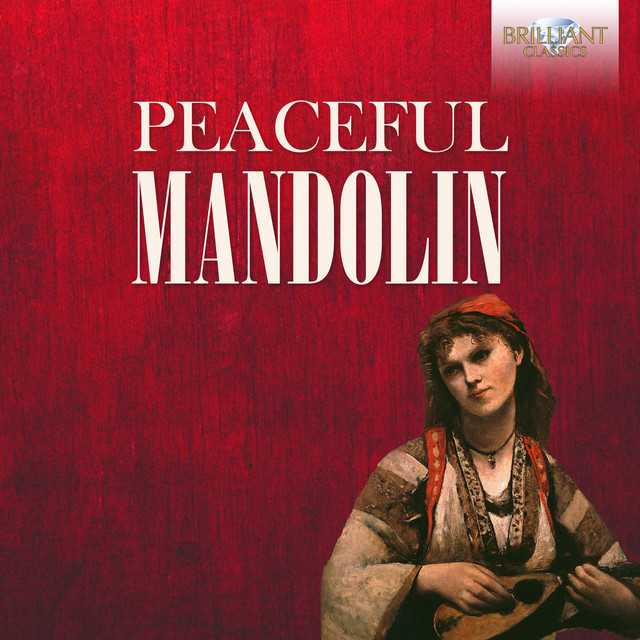
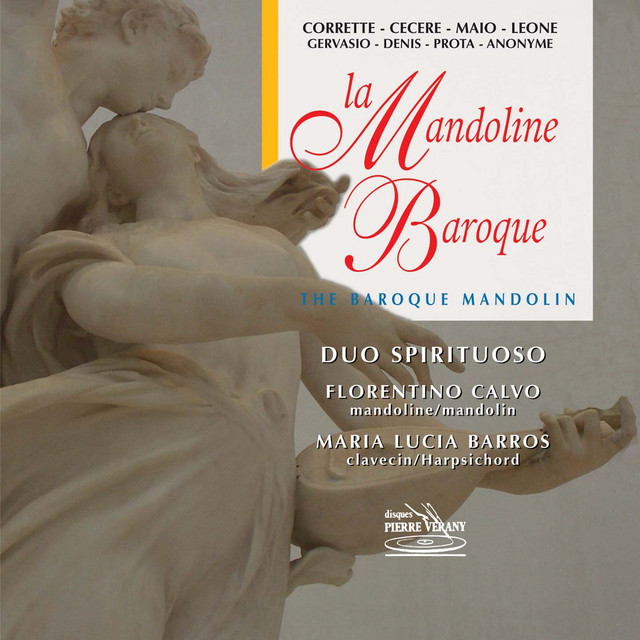
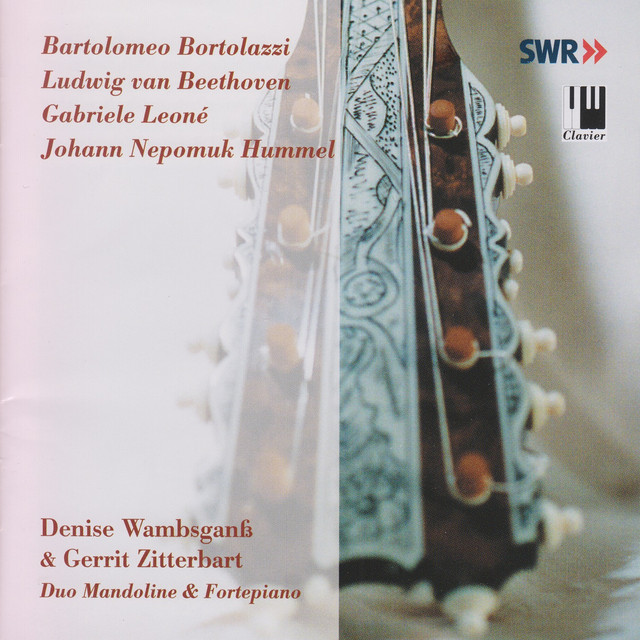
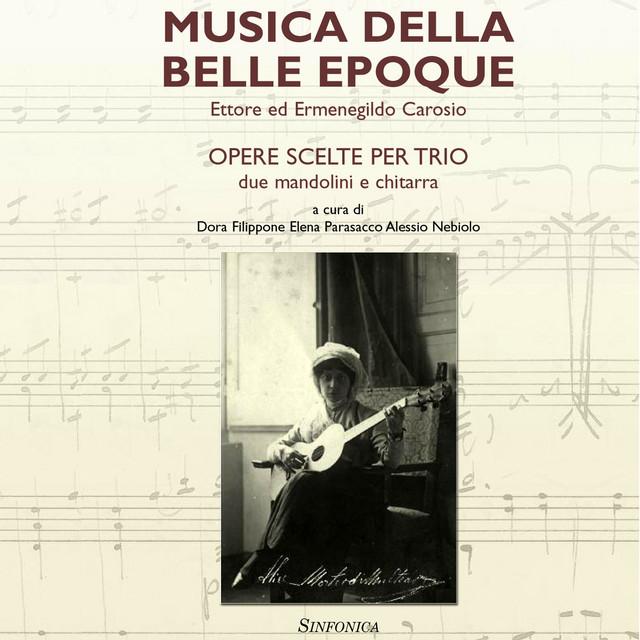
Classical mandolin is a refined strand of instrumental music that treats the mandolin not as a folk curiosity but as a concert instrument capable of singing lines, intricate polyphony, and dazzling virtuosity. Its modern life begins in the late 19th century, within the vibrant musical culture of Italy, and especially in Naples, where the Neapolitan mandolin family—mandolin, mandola, mandocello, and bass mandolins—began to be used in serious concert repertory as well as in salon performances. The instrument’s bright, agile timbre and its capability for rapid, sparkling passages made it an appealing vehicle for both lyrical melody and strict accompaniment.
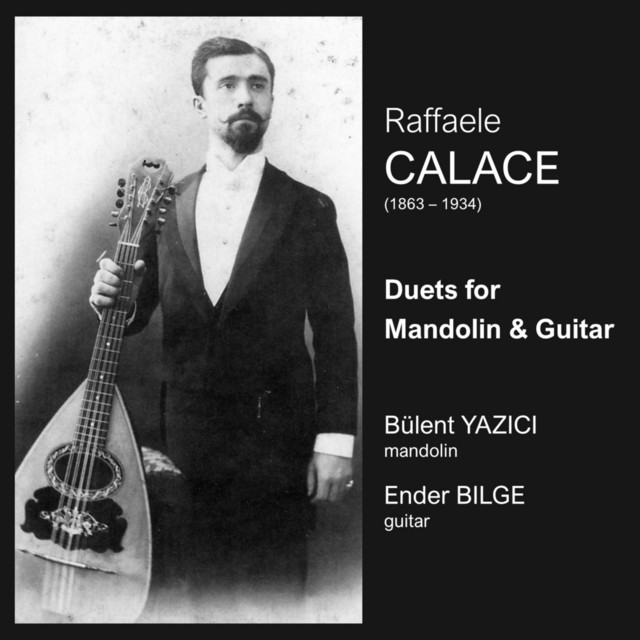
From the outset, classical mandolin drew on both folk roots and a newly cultivated technique. The repertoire expanded beyond arrangements of Baroque and Classical masterpieces to include original works by composers who wrote specifically for the mandolin and its unique color. The most influential early figure is Raffaele Calace (1863–1934), an Italian virtuoso, composer, and pedagogue who helped codify mandolin technique and contributed hundreds of pieces and pedagogical works. Calace’s writings and concert performances shaped the instrument’s sound and approach for a generation of players, and his influence can still be felt in contemporary mandolin schools and concerts.
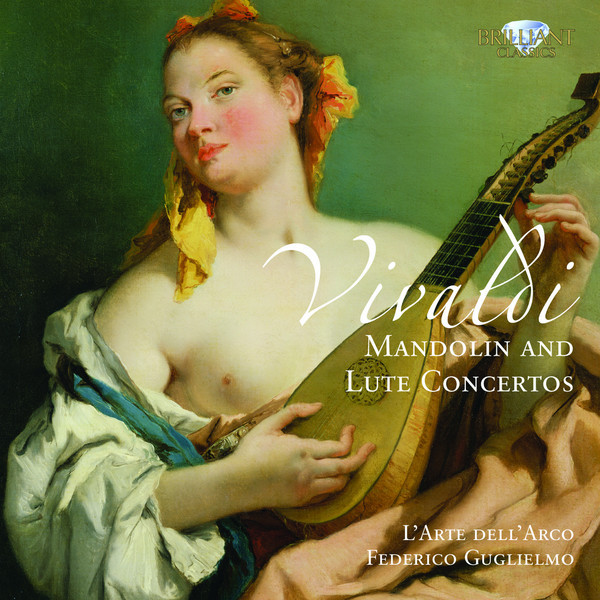
In the long arc of the 20th century, the instrument spread beyond Italy and found devoted communities in Europe and the Americas. The classical mandolin scene grew through mandolin orchestras, chamber groups, and solo recitals, with repertoire that embraced transcriptions of Bach, Vivaldi, and other masters, alongside original works that exploited the mandolin’s nimble articulation, shimmering tremolo, and lyrical range. The instrument also flourished as a legitimate concert instrument in festivals, schools, and recording studios, drawing audiences who appreciate its blend of technical finesse and singing expression.
Today’s classical mandolin continues to evolve through a handful of prominent ambassadors who have brought the instrument into major concert halls and important recording projects. Avi Avital, an Israeli mandolin virtuoso, has become one of the most widely recognized faces of the modern classical mandolin. His performances and recordings—especially of Bach, as well as contemporary works—have helped illuminate the instrument’s repertoire for new generations of listeners. Carlo Aonzo, an Italian mandolinist and educator, has likewise played a crucial role in promoting classical mandolin internationally through performance, teaching, and collaboration with ensembles and festivals. Together with a growing network of soloists and chamber groups, these artists sustain a dynamic scene that honors Calace’s foundational work while expanding into new repertoires and contemporary commissions.
Geographically, classical mandolin remains strongest in its homeland of Italy, but it has an enthusiastic presence in the United States, Argentina, Germany, Spain, and other parts of Europe. It travels with concert programs, festival appearances, and recording projects that highlight both historic arrangements and living composers. For enthusiasts, the genre offers a continuous dialogue between the instrument’s sparkling virtuosity and its capacity for expressive, intimate song. The result is a genre that feels both ancient and newly contemporary—a musical niche where tradition and innovation meet on scales of string and timbre.
From the outset, classical mandolin drew on both folk roots and a newly cultivated technique. The repertoire expanded beyond arrangements of Baroque and Classical masterpieces to include original works by composers who wrote specifically for the mandolin and its unique color. The most influential early figure is Raffaele Calace (1863–1934), an Italian virtuoso, composer, and pedagogue who helped codify mandolin technique and contributed hundreds of pieces and pedagogical works. Calace’s writings and concert performances shaped the instrument’s sound and approach for a generation of players, and his influence can still be felt in contemporary mandolin schools and concerts.
In the long arc of the 20th century, the instrument spread beyond Italy and found devoted communities in Europe and the Americas. The classical mandolin scene grew through mandolin orchestras, chamber groups, and solo recitals, with repertoire that embraced transcriptions of Bach, Vivaldi, and other masters, alongside original works that exploited the mandolin’s nimble articulation, shimmering tremolo, and lyrical range. The instrument also flourished as a legitimate concert instrument in festivals, schools, and recording studios, drawing audiences who appreciate its blend of technical finesse and singing expression.
Today’s classical mandolin continues to evolve through a handful of prominent ambassadors who have brought the instrument into major concert halls and important recording projects. Avi Avital, an Israeli mandolin virtuoso, has become one of the most widely recognized faces of the modern classical mandolin. His performances and recordings—especially of Bach, as well as contemporary works—have helped illuminate the instrument’s repertoire for new generations of listeners. Carlo Aonzo, an Italian mandolinist and educator, has likewise played a crucial role in promoting classical mandolin internationally through performance, teaching, and collaboration with ensembles and festivals. Together with a growing network of soloists and chamber groups, these artists sustain a dynamic scene that honors Calace’s foundational work while expanding into new repertoires and contemporary commissions.
Geographically, classical mandolin remains strongest in its homeland of Italy, but it has an enthusiastic presence in the United States, Argentina, Germany, Spain, and other parts of Europe. It travels with concert programs, festival appearances, and recording projects that highlight both historic arrangements and living composers. For enthusiasts, the genre offers a continuous dialogue between the instrument’s sparkling virtuosity and its capacity for expressive, intimate song. The result is a genre that feels both ancient and newly contemporary—a musical niche where tradition and innovation meet on scales of string and timbre.