Genre
classical percussion
Top Classical percussion Artists
Showing 25 of 64 artists







About Classical percussion
Classical percussion is the branch of concert music that treats percussion instruments as central voice, not just rhythmic support. It embraces drums, mallet instruments, cymbals, and timpani as solo and ensemble colors with their own expressive syntax—from delicate, shimmering textures to thunderous, machine-like rhythms. In this sense, classical percussion is as much about timbre, spatiality, and structure as it is about pulse.
Though drums and timpani appear in earlier European orchestral music, the field as a concert discipline truly blossomed in the 20th century. Pioneering composers elevated percussion from background color to front-line material. Edgard Varèse’s Ionisation (1931) is widely cited as a watershed work for percussion ensemble, exploring rhythmic complexity and a kaleidoscope of timbres with thirteen players. Iannis Xenakis followed with Persephassa (1969), a percussion-centered piece that emphasizes motion through space and collective energy. Karlheinz Stockhausen’s Zyklus (1959) for solo percussion pushed the instrument into virtuosic and almost ritual dimensions. Steve Reich’s Drumming (1971) helped popularize rhythm-driven percussion music within contemporary concert culture, marrying motoric repetition with expressive gesture.
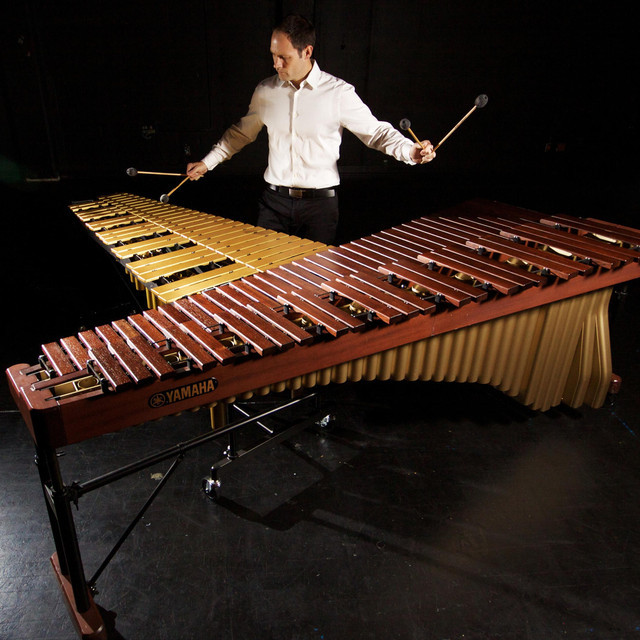
Performance practice in classical percussion now covers an expansive palette. A typical repertoire may feature timpani, bass drum, snare, cymbals, tam-tam, and gong, complemented by mallet instruments such as the marimba, vibraphone, xylophone, and glockenspiel. Many works call for multi-percussion setups, extended techniques (careful use of mallets, tremolos, muted strokes, sympathetic resonance), and sometimes electronics or live processing to widen sonic possibilities. The repertoire ranges from concertos for individual virtuosi to chamber works for percussion ensembles and evocative solo pieces that test perception of time and texture.
Key figures who have shaped and popularized classical percussion include both composers and performers. On the performance side, Evelyn Glennie—one of the most celebrated solo percussionists—has expanded the instrument’s reach on the concert stage and in education, and she remains a powerful advocate for accessible programming. In the world of marimba and mallet keyboard, Keiko Abe of Japan is a towering figure: a virtuoso and prolific composer whose four-mallet technique and expansive repertoire helped establish the marimba as a concert instrument and made Japan a major center for classical percussion. In the United States, Gordon Stout is another influential figure, renowned for his marimba playing, pedagogy, and repertoire that have shaped generations of players.
Beyond individual artists, composers such as Varèse, Xenakis, Reich, Cage, and Stockhausen are often cited as ambassadors of percussion-centered music, expanding what percussion can do in the concert hall and insisting on its expressive scope. In terms of geography, the field thrives most visibly in the United States, Japan, and portions of Europe (notably the United Kingdom, Germany, and France), with robust educational programs, orchestral cultures, and festival scenes. Latin America, Brazil included, also maintains a lively percussion ecosystem, reflecting a broad global curiosity about timbre, rhythm, and ensemble possibility.
For enthusiasts, classical percussion offers a gateway into a universe where rhythm, texture, and musical narrative are inseparable. Recommended starting points include Ionisation, Xenakis’s Persephassa, Reich’s Drumming, and a study of Keiko Abe’s marimba literature, which together illuminate the genre’s history, technical breadth, and expressive potential.
Though drums and timpani appear in earlier European orchestral music, the field as a concert discipline truly blossomed in the 20th century. Pioneering composers elevated percussion from background color to front-line material. Edgard Varèse’s Ionisation (1931) is widely cited as a watershed work for percussion ensemble, exploring rhythmic complexity and a kaleidoscope of timbres with thirteen players. Iannis Xenakis followed with Persephassa (1969), a percussion-centered piece that emphasizes motion through space and collective energy. Karlheinz Stockhausen’s Zyklus (1959) for solo percussion pushed the instrument into virtuosic and almost ritual dimensions. Steve Reich’s Drumming (1971) helped popularize rhythm-driven percussion music within contemporary concert culture, marrying motoric repetition with expressive gesture.
Performance practice in classical percussion now covers an expansive palette. A typical repertoire may feature timpani, bass drum, snare, cymbals, tam-tam, and gong, complemented by mallet instruments such as the marimba, vibraphone, xylophone, and glockenspiel. Many works call for multi-percussion setups, extended techniques (careful use of mallets, tremolos, muted strokes, sympathetic resonance), and sometimes electronics or live processing to widen sonic possibilities. The repertoire ranges from concertos for individual virtuosi to chamber works for percussion ensembles and evocative solo pieces that test perception of time and texture.
Key figures who have shaped and popularized classical percussion include both composers and performers. On the performance side, Evelyn Glennie—one of the most celebrated solo percussionists—has expanded the instrument’s reach on the concert stage and in education, and she remains a powerful advocate for accessible programming. In the world of marimba and mallet keyboard, Keiko Abe of Japan is a towering figure: a virtuoso and prolific composer whose four-mallet technique and expansive repertoire helped establish the marimba as a concert instrument and made Japan a major center for classical percussion. In the United States, Gordon Stout is another influential figure, renowned for his marimba playing, pedagogy, and repertoire that have shaped generations of players.
Beyond individual artists, composers such as Varèse, Xenakis, Reich, Cage, and Stockhausen are often cited as ambassadors of percussion-centered music, expanding what percussion can do in the concert hall and insisting on its expressive scope. In terms of geography, the field thrives most visibly in the United States, Japan, and portions of Europe (notably the United Kingdom, Germany, and France), with robust educational programs, orchestral cultures, and festival scenes. Latin America, Brazil included, also maintains a lively percussion ecosystem, reflecting a broad global curiosity about timbre, rhythm, and ensemble possibility.
For enthusiasts, classical percussion offers a gateway into a universe where rhythm, texture, and musical narrative are inseparable. Recommended starting points include Ionisation, Xenakis’s Persephassa, Reich’s Drumming, and a study of Keiko Abe’s marimba literature, which together illuminate the genre’s history, technical breadth, and expressive potential.