Genre
classical piano duo
Top Classical piano duo Artists
Showing 25 of 76 artists







About Classical piano duo
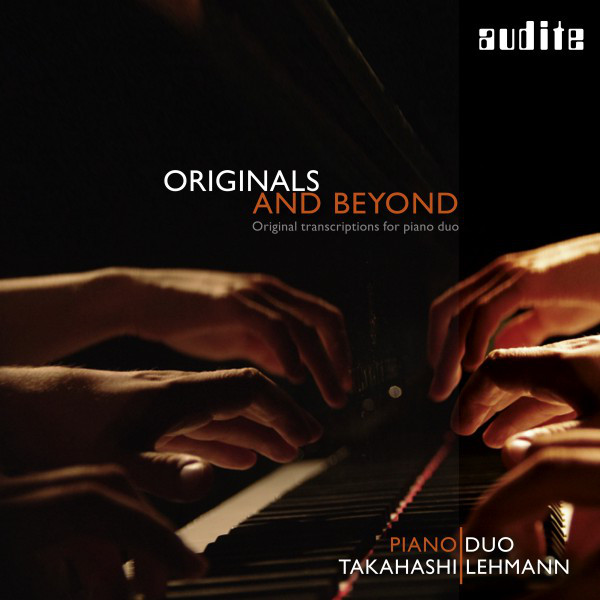
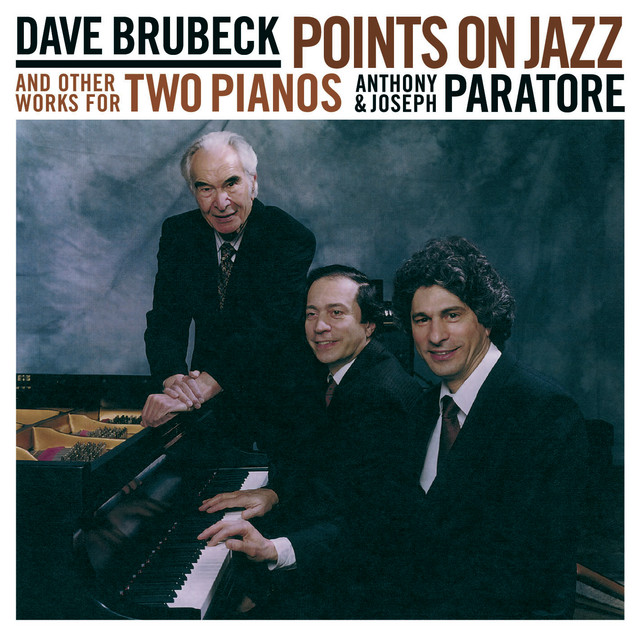
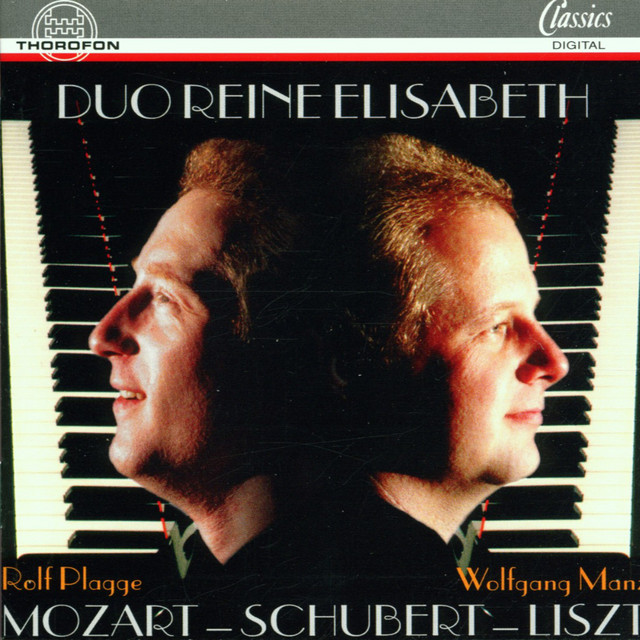
A classical piano duo is a chamber-music format in which two pianists collaborate closely to create a single musical conversation. The repertoire spans performances on two pianos side by side, as well as the familiar one-piano-four-hands setup, where both players sit at the same instrument. In either configuration, the genre emphasizes refinement, balance, and a high level of touch, timing, and ensemble listening. It invites a spectrum of textures—from intimate, transparent dialogue to grand, orchestral sonorities reduced to a pair of keyboards.
Origins and development
The form has roots in the late 18th century, flourishing in the salon culture of Vienna and Paris where four-hands repertoire first found a natural home. Composers of the Classical and early Romantic periods used four hands as a social, both intimate and virtuosic, vehicle to share music with friends and guests. As the 19th century unfolded, the two-piano and four-hands formats matured into a serious concert tradition. Romantic composers such as Schubert, Brahms, and Dvořák expanded the expressive possibilities, writing dense, collaborative material that could sound vast despite the small number of performers. The 20th century brought new timbres and possibilities: Stravinsky, Prokofiev, Bartók and others explored polyphony, rhythm, and color in works for two pianos, while composers and performers alike expanded the literature through arrangements, premieres, and festival performances. Today, the repertoire continues to grow, embracing both faithful historical performances and contemporary commissions for duo-piano ensembles.
Repertoire and practice
A hallmark of the piano duo is the interplay between equal voices and one or more masterful solos within the same piece. In four-hands repertoire, one pianist often takes the top line while the other anchors the accompaniment, though partnerships frequently blur these roles to produce a seamless, interwoven texture. In two-piano works, the players enjoy a grand orchestral palette—a full choir of textures and colors derived from the human voice, the percussive bite of arpeggios, and the shimmering blends that only two grand pianos can yield. The literature ranges from elegant, salon-style arrangements to substantial concert works, with contemporary composers contributing fresh textures and contemporary idioms to keep the medium vibrant.
Key artists and ambassadors
Historically, the format has relied on both legendary collaborations and dedicated performers. In modern times, one of the most influential ambassadors of the piano duo tradition is the Labèque sisters, Katia and Marielle Labèque, whose performances and recordings have popularized two-piano repertoire worldwide and helped bring it into broader contemporary concert life. In addition to solo and duo-prolific performers, many orchestras and chamber ensembles regularly program two-piano works, underscoring the format’s versatility and appeal.
Geography and audience
Classical piano duo enjoys particular strength in Europe and North America, with strong traditions in France, Germany, Russia, and Italy, and growing interest in Asia, especially Japan and South Korea. Global festivals, college programs, and record labels continue to cultivate audiences who savor the clarity of two-point-of-view collaboration—the kind of musical dialogue that only two pianists can sustain. For enthusiasts, the genre offers a compelling blend of historical lineage and contemporary vitality, a sophisticated, intimate, and technically dazzling listening experience.
Origins and development
The form has roots in the late 18th century, flourishing in the salon culture of Vienna and Paris where four-hands repertoire first found a natural home. Composers of the Classical and early Romantic periods used four hands as a social, both intimate and virtuosic, vehicle to share music with friends and guests. As the 19th century unfolded, the two-piano and four-hands formats matured into a serious concert tradition. Romantic composers such as Schubert, Brahms, and Dvořák expanded the expressive possibilities, writing dense, collaborative material that could sound vast despite the small number of performers. The 20th century brought new timbres and possibilities: Stravinsky, Prokofiev, Bartók and others explored polyphony, rhythm, and color in works for two pianos, while composers and performers alike expanded the literature through arrangements, premieres, and festival performances. Today, the repertoire continues to grow, embracing both faithful historical performances and contemporary commissions for duo-piano ensembles.
Repertoire and practice
A hallmark of the piano duo is the interplay between equal voices and one or more masterful solos within the same piece. In four-hands repertoire, one pianist often takes the top line while the other anchors the accompaniment, though partnerships frequently blur these roles to produce a seamless, interwoven texture. In two-piano works, the players enjoy a grand orchestral palette—a full choir of textures and colors derived from the human voice, the percussive bite of arpeggios, and the shimmering blends that only two grand pianos can yield. The literature ranges from elegant, salon-style arrangements to substantial concert works, with contemporary composers contributing fresh textures and contemporary idioms to keep the medium vibrant.
Key artists and ambassadors
Historically, the format has relied on both legendary collaborations and dedicated performers. In modern times, one of the most influential ambassadors of the piano duo tradition is the Labèque sisters, Katia and Marielle Labèque, whose performances and recordings have popularized two-piano repertoire worldwide and helped bring it into broader contemporary concert life. In addition to solo and duo-prolific performers, many orchestras and chamber ensembles regularly program two-piano works, underscoring the format’s versatility and appeal.
Geography and audience
Classical piano duo enjoys particular strength in Europe and North America, with strong traditions in France, Germany, Russia, and Italy, and growing interest in Asia, especially Japan and South Korea. Global festivals, college programs, and record labels continue to cultivate audiences who savor the clarity of two-point-of-view collaboration—the kind of musical dialogue that only two pianists can sustain. For enthusiasts, the genre offers a compelling blend of historical lineage and contemporary vitality, a sophisticated, intimate, and technically dazzling listening experience.