Genre
classical saxophone quartet
Top Classical saxophone quartet Artists
Showing 25 of 72 artists






About Classical saxophone quartet
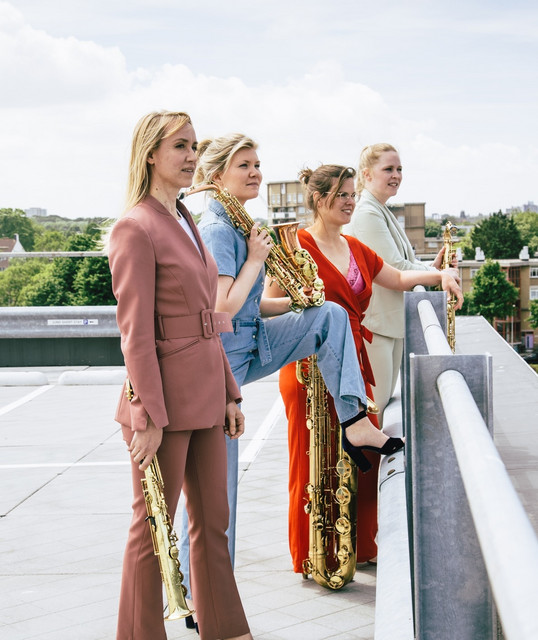
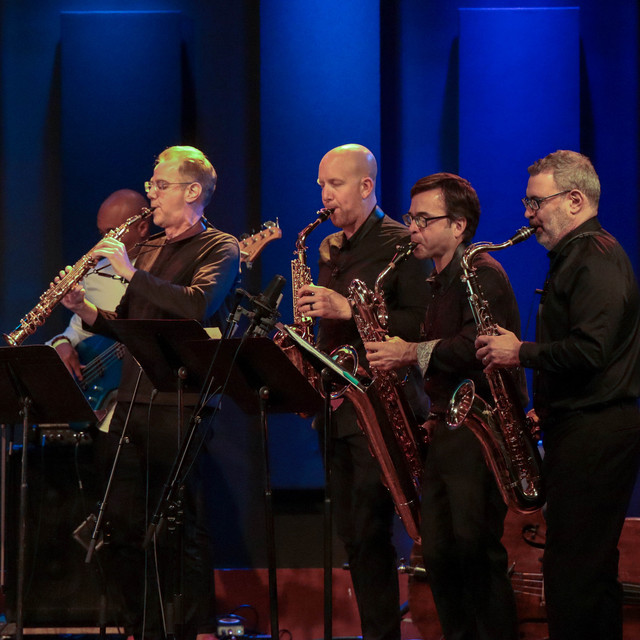
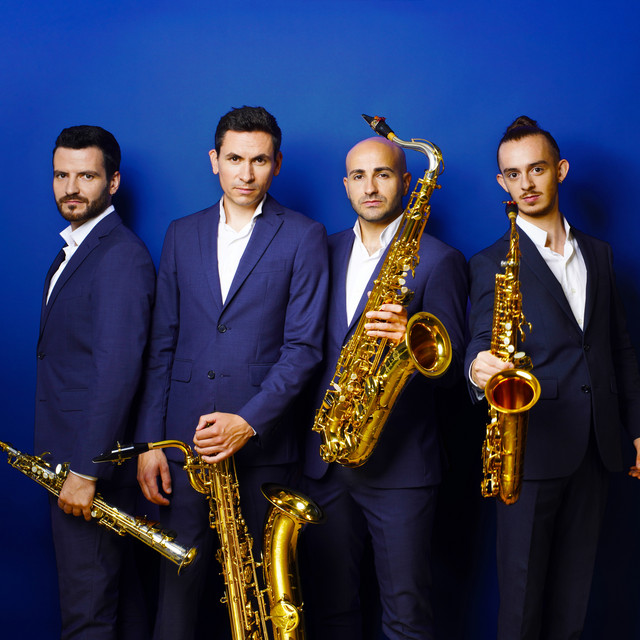
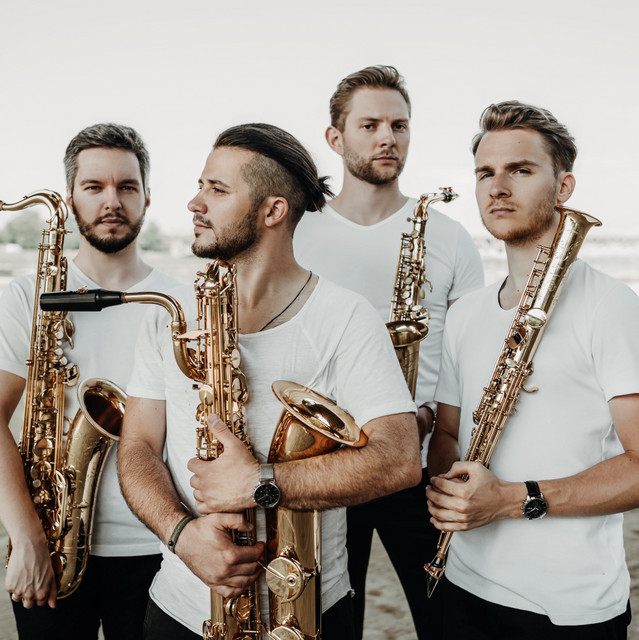
The classical saxophone quartet is a refined, expressive chamber voice that brings the full sonic palette of four saxophones into a single, blended weave. The standard lineup—soprano, alto, tenor, and baritone—lays out a spectrum from bright, incisive highs to a warm, resonant low end. When four players synchronize with precision, the ensemble can imitate the warmth of a string quartet, the projection of a wind octet, or the power of a small orchestra, all while preserving the intimate charm of chamber music.
Origins and birth of the genre are intertwined with the broader rise of the saxophone in classical music during the 20th century. The instrument itself was invented by Adolphe Sax in the 1840s, primarily for military and orchestral use, but its versatility soon attracted composers who wanted new timbres for intimate ensembles. The four-saxophone format gradually took shape as a distinct chamber medium in the mid- to late-20th century, as composers and performers explored the instrument’s capacity for counterpoint, texture, and color. The repertoire expanded rapidly from there, blending transcriptions of earlier masterworks with original works written specifically for quartet by contemporary composers.
Today, the classical saxophone quartet has a robust international footprint. It is particularly well established in Western Europe and North America, where conservatories and wind departments have cultivated a generation of players who treat the quartet as a serious concert vehicle. France, the United Kingdom, the Netherlands, Germany, and the United States are among the most active hubs, with ensembles touring, commissioning new music, and presenting festival programs that showcase both canonical arrangements and modern scores. Japan, too, has a vibrant scene for wind chamber music, and it has produced a steady stream of performers and composers who contribute to the quartet repertoire. The format’s global reach is reflected in the wide geographic spread of commissions and collaborations that continue to enrich the catalog.
Ambassadors of the genre are numerous, with certain ensembles and individuals becoming touchstones for its sound and ambitions. The Raschèr Saxophone Quartet, one of the most influential ensembles in the field, helped to establish a serious classical repertoire for four saxophones through extensive commissioning, world premieres, and high-profile performances. Renowned soloists who champion wind repertoire—such as Jean-Marie Londeix, a towering figure in French classical saxophone—also promote the quartet’s aesthetic through education, performance, and collaboration. Other celebrated performers, including Arno Bornkamp and Peter Holtslag, have been key advocates who connect composers with players and audiences. Collectively, these figures have helped the genre gain credibility among classical concertgoers while preserving the saxophone’s distinctive, singing timbre.
For listeners, the classical saxophone quartet offers a captivating blend of clarity, agility, and emotional range. It can execute delicate, polyphonic dialogues with the transparency of a string quartet, or erupt in dramatic sonorities that rival larger wind ensembles. It remains a living, evolving discipline—one that invites discovery, curiosity, and adventurous listening as composers continue to write new works and performers broaden the quartet’s expressive horizons.
Origins and birth of the genre are intertwined with the broader rise of the saxophone in classical music during the 20th century. The instrument itself was invented by Adolphe Sax in the 1840s, primarily for military and orchestral use, but its versatility soon attracted composers who wanted new timbres for intimate ensembles. The four-saxophone format gradually took shape as a distinct chamber medium in the mid- to late-20th century, as composers and performers explored the instrument’s capacity for counterpoint, texture, and color. The repertoire expanded rapidly from there, blending transcriptions of earlier masterworks with original works written specifically for quartet by contemporary composers.
Today, the classical saxophone quartet has a robust international footprint. It is particularly well established in Western Europe and North America, where conservatories and wind departments have cultivated a generation of players who treat the quartet as a serious concert vehicle. France, the United Kingdom, the Netherlands, Germany, and the United States are among the most active hubs, with ensembles touring, commissioning new music, and presenting festival programs that showcase both canonical arrangements and modern scores. Japan, too, has a vibrant scene for wind chamber music, and it has produced a steady stream of performers and composers who contribute to the quartet repertoire. The format’s global reach is reflected in the wide geographic spread of commissions and collaborations that continue to enrich the catalog.
Ambassadors of the genre are numerous, with certain ensembles and individuals becoming touchstones for its sound and ambitions. The Raschèr Saxophone Quartet, one of the most influential ensembles in the field, helped to establish a serious classical repertoire for four saxophones through extensive commissioning, world premieres, and high-profile performances. Renowned soloists who champion wind repertoire—such as Jean-Marie Londeix, a towering figure in French classical saxophone—also promote the quartet’s aesthetic through education, performance, and collaboration. Other celebrated performers, including Arno Bornkamp and Peter Holtslag, have been key advocates who connect composers with players and audiences. Collectively, these figures have helped the genre gain credibility among classical concertgoers while preserving the saxophone’s distinctive, singing timbre.
For listeners, the classical saxophone quartet offers a captivating blend of clarity, agility, and emotional range. It can execute delicate, polyphonic dialogues with the transparency of a string quartet, or erupt in dramatic sonorities that rival larger wind ensembles. It remains a living, evolving discipline—one that invites discovery, curiosity, and adventurous listening as composers continue to write new works and performers broaden the quartet’s expressive horizons.