Genre
classical trumpet
Top Classical trumpet Artists
Showing 25 of 53 artists







About Classical trumpet
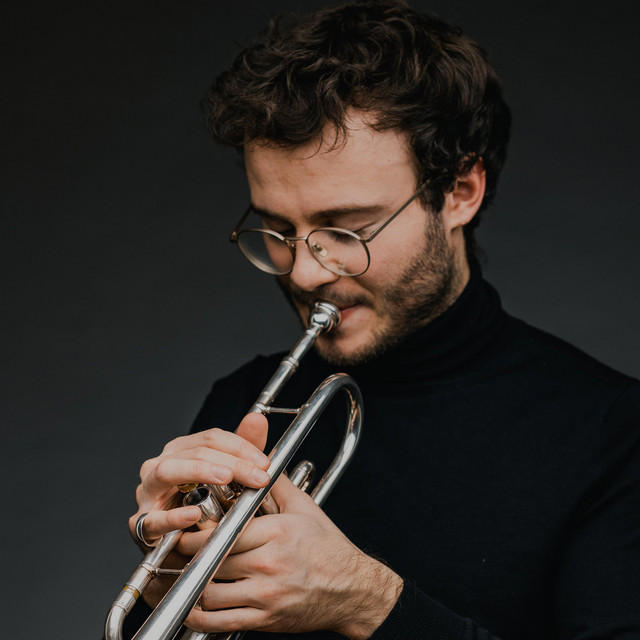
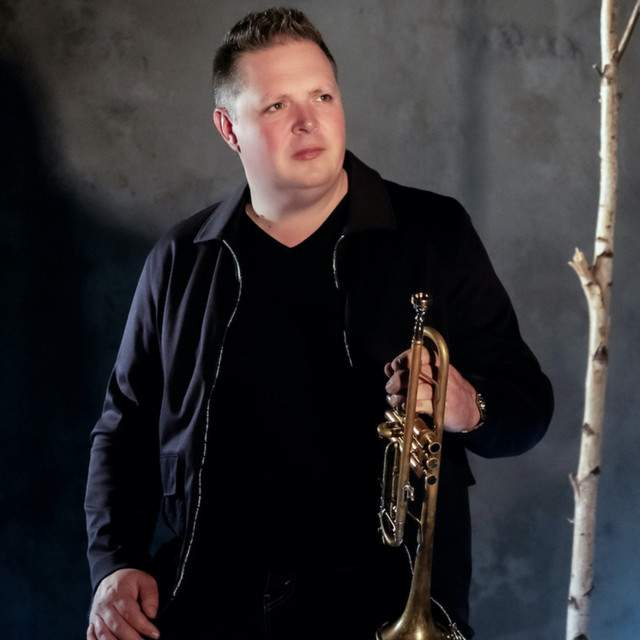
Classical trumpet is not a separate musical genre in the way avant-garde or folk styles are, but a specialized strand of classical music centered on the trumpet as a solo voice, chamber partner, and orchestral principal. It embraces a long, storied lineage—from Baroque and Classical works that framed the trumpet as a ceremonial and virtuosic instrument, to Romantic and modern repertoire that pushed its technical and expressive possibilities, and to contemporary pieces that continue to expand its timbral palette.
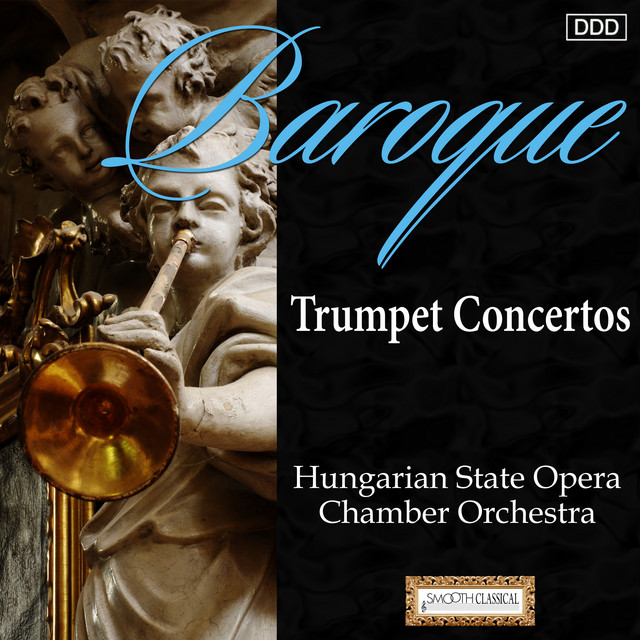
Origins and evolution. The trumpet’s earliest role in classical art music came from the Baroque era, when natural trumpets ricocheted through sacred and ceremonial music and bravura fanfares in works by Bach, Handel, and their contemporaries. The instrument was prized for its brilliant, bright timbre in high, clear lines, often serving as a ceremonial messenger and later as a featured melodic voice in concertos and concertante movements. For much of that period, the trumpet could only play in the natural harmonic series, which constrained available pitches. A decisive turning point came in the early 19th century with the invention of the valve trumpet by inventors like Friedrich Blühmel and Heinrich Stölzel, which opened chromatic scales and a broader expressive range. This technological leap allowed composers to write more flexible concertos and a wider repertoire, and it seeded the modern, valved trumpet’s central place in orchestras and solo literature.
Key repertoire and practice. In the Classical and early Romantic canon, concertos by Haydn, Mozart, and later Hummel became touchstones for prowess, lyricism, and architectural clarity in trumpet writing. The Baroque-to-Romantic arc is still heard in modern performances of Bach’s Baroque concertos that are arranged for a contemporary trumpet, as well as in the more expansive Romantic and 20th-century works that demand greater agility, range, and color. Today’s repertoire spans traditional solo concertos, trumpet and piano sonatas, and chamber works with string or wind ensembles, as well as modern, commission-based pieces that explore extended techniques, extended-range writing, and new tonal textures. The instrument’s music remains a staple in brass quintets and wind ensembles, where the trumpet’s bright core often anchors the ensemble’s identity.
Ambassadors, pedagogy, and geography. The modern classical trumpet has its most famous ambassadors in a few nearly ubiquitous voices: Maurice André, whose elegant French school helped popularize extensive, expressive solo repertoire and a pedagogical lineage; Allen Vizzutti, an American virtuoso and prolific composer-educator known for expanding technique and concert repertoire; and Philip Smith, a longtime principal trumpeter in major American orchestras and a respected teacher. Europe and North America have long been the heartlands of classical trumpet pedagogy, with strong traditions in France, Germany, Austria, and the United States, supported by conservatories, brass programs, and international organizations such as the International Trumpet Guild. The genre’s popularity extends beyond those regions, with active scenes in the UK, the Czech Republic, and increasingly in Asia and Latin America, where orchestral training, competition circuits, and recital opportunities keep the trumpet’s classical voice vibrant.
In short, classical trumpet is a dynamic, historical thread within classical music, grounded in a brilliant tonal spark, technical fluency, and an ongoing dialogue between tradition and innovation. It continues to attract enthusiasts who value precise articulation, lyrical expressiveness, and the instrument’s unmistakable sonic signature.
Origins and evolution. The trumpet’s earliest role in classical art music came from the Baroque era, when natural trumpets ricocheted through sacred and ceremonial music and bravura fanfares in works by Bach, Handel, and their contemporaries. The instrument was prized for its brilliant, bright timbre in high, clear lines, often serving as a ceremonial messenger and later as a featured melodic voice in concertos and concertante movements. For much of that period, the trumpet could only play in the natural harmonic series, which constrained available pitches. A decisive turning point came in the early 19th century with the invention of the valve trumpet by inventors like Friedrich Blühmel and Heinrich Stölzel, which opened chromatic scales and a broader expressive range. This technological leap allowed composers to write more flexible concertos and a wider repertoire, and it seeded the modern, valved trumpet’s central place in orchestras and solo literature.
Key repertoire and practice. In the Classical and early Romantic canon, concertos by Haydn, Mozart, and later Hummel became touchstones for prowess, lyricism, and architectural clarity in trumpet writing. The Baroque-to-Romantic arc is still heard in modern performances of Bach’s Baroque concertos that are arranged for a contemporary trumpet, as well as in the more expansive Romantic and 20th-century works that demand greater agility, range, and color. Today’s repertoire spans traditional solo concertos, trumpet and piano sonatas, and chamber works with string or wind ensembles, as well as modern, commission-based pieces that explore extended techniques, extended-range writing, and new tonal textures. The instrument’s music remains a staple in brass quintets and wind ensembles, where the trumpet’s bright core often anchors the ensemble’s identity.
Ambassadors, pedagogy, and geography. The modern classical trumpet has its most famous ambassadors in a few nearly ubiquitous voices: Maurice André, whose elegant French school helped popularize extensive, expressive solo repertoire and a pedagogical lineage; Allen Vizzutti, an American virtuoso and prolific composer-educator known for expanding technique and concert repertoire; and Philip Smith, a longtime principal trumpeter in major American orchestras and a respected teacher. Europe and North America have long been the heartlands of classical trumpet pedagogy, with strong traditions in France, Germany, Austria, and the United States, supported by conservatories, brass programs, and international organizations such as the International Trumpet Guild. The genre’s popularity extends beyond those regions, with active scenes in the UK, the Czech Republic, and increasingly in Asia and Latin America, where orchestral training, competition circuits, and recital opportunities keep the trumpet’s classical voice vibrant.
In short, classical trumpet is a dynamic, historical thread within classical music, grounded in a brilliant tonal spark, technical fluency, and an ongoing dialogue between tradition and innovation. It continues to attract enthusiasts who value precise articulation, lyrical expressiveness, and the instrument’s unmistakable sonic signature.