Genre
classical tuba
Top Classical tuba Artists
Showing 25 of 41 artists







About Classical tuba
Classical tuba is the tradition of using the tuba as a serious artistic voice in concert music, spanning solo, chamber, and orchestral repertoire. Born in the mid-19th century from the work of German instrument makers, the tuba emerged as the modern bass voice of the brass family. In 1835 Wilhelm Friedrich Wieprecht and Johann Moritz developed the new valved bass instrument, the tuba, designed for chromatic, secure intonation and strong projection. Its name, derived from Latin tubus, signaled its role as a tubal bass counterpart to the orchestral horn and trombone. The instrument quickly found a place in Romantic and later modern orchestras, aided by advances in valve engineering that allowed composers to write more demanding and expressive music in the lower register. By the late 19th century the tuba was a standard member of European symphony orchestras, and by the early 20th century it had become indispensable in both symphonic music and the growing brass ensemble tradition.
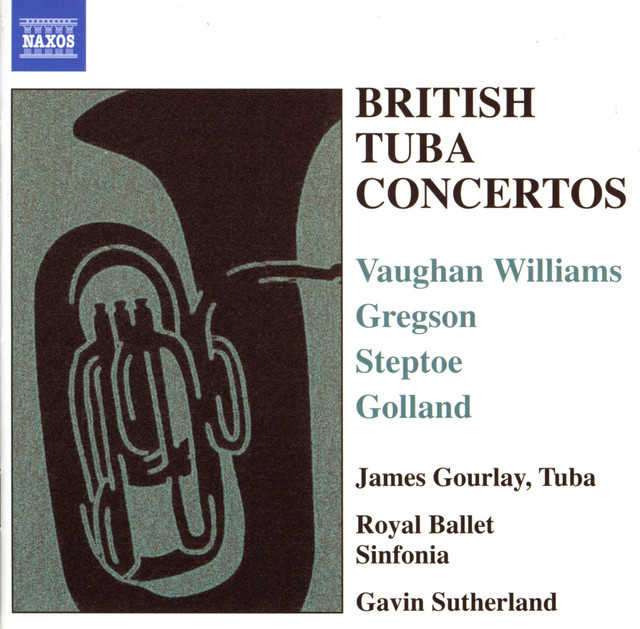
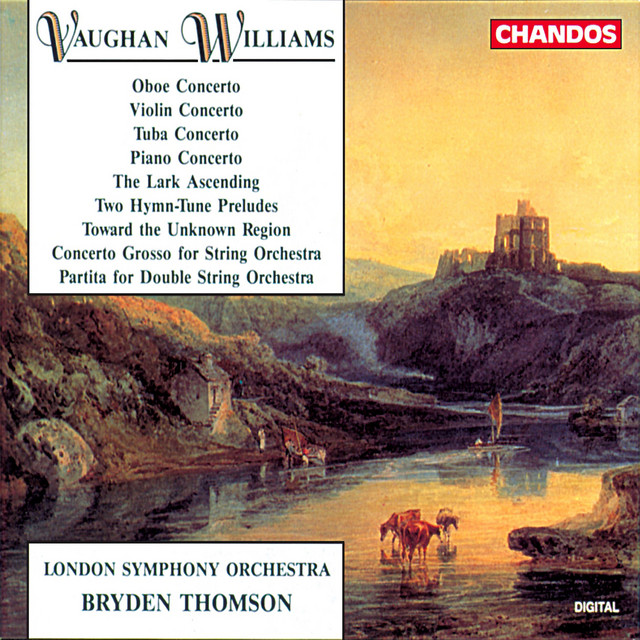
In the classical repertoire, the tuba was recognized not only as a foundation for harmony and rhythm but also as a capable solo instrument. A landmark moment came in the mid-20th century with Ralph Vaughan Williams’ Tuba Concerto (1954), a work that showcased the instrument’s lyrical breadth and technical facility beyond mere bass reinforcement. Since then, composers in Britain and the United States have expanded its vocabulary with concertos, chamber works, and virtuosic showpieces, elevating the tuba from a backstage voice to a frontline solo instrument in serious music. Today’s classical tuba repertoire includes concertos, etudes, and transcriptions that invite warm, singing lines, technical agility, and a wide dynamic range.
Ambassadors of the classical tuba include some of the instrument’s most influential performers. In the United States, Arnold Jacobs of the Chicago Symphony Orchestra became renowned not only for his orchestral leadership but for a pedagogy that emphasized breath, resonance, and musical phrasing; his recordings and masterclasses helped reframe the tuba as a versatile solo instrument as well as a collaborative foundation. In Los Angeles, Roger Bobo’s virtuosity and musicality set a high standard for solo and chamber tuba playing. More recently, Gene Pokorny, principal tubist of the Chicago Symphony Orchestra, has become a leading performer-educator, shaping a generation of tubists through performances, teaching, and advocacy. Together, these figures—embracing orchestral, chamber, and pedagogical roles—have helped the classical tuba gain recognition on concert stages worldwide.
Geographically, the genre has found strong roots in the United States, the United Kingdom, and much of Western and Central Europe, with robust brass teacher networks and conservatoire programs fueling new generations of tubists. It enjoys a healthy presence in Scandinavia and parts of Eastern Europe, where orchestral and wind-band traditions keep the instrument in the foreground. For music enthusiasts, classical tuba offers a rare blend of sonic depth and lyrical capability: a voice capable of both bombastic drive and intimate song, capable of underpinning a symphonic texture or carrying an intimate melody in a recital or chamber setting.
In the classical repertoire, the tuba was recognized not only as a foundation for harmony and rhythm but also as a capable solo instrument. A landmark moment came in the mid-20th century with Ralph Vaughan Williams’ Tuba Concerto (1954), a work that showcased the instrument’s lyrical breadth and technical facility beyond mere bass reinforcement. Since then, composers in Britain and the United States have expanded its vocabulary with concertos, chamber works, and virtuosic showpieces, elevating the tuba from a backstage voice to a frontline solo instrument in serious music. Today’s classical tuba repertoire includes concertos, etudes, and transcriptions that invite warm, singing lines, technical agility, and a wide dynamic range.
Ambassadors of the classical tuba include some of the instrument’s most influential performers. In the United States, Arnold Jacobs of the Chicago Symphony Orchestra became renowned not only for his orchestral leadership but for a pedagogy that emphasized breath, resonance, and musical phrasing; his recordings and masterclasses helped reframe the tuba as a versatile solo instrument as well as a collaborative foundation. In Los Angeles, Roger Bobo’s virtuosity and musicality set a high standard for solo and chamber tuba playing. More recently, Gene Pokorny, principal tubist of the Chicago Symphony Orchestra, has become a leading performer-educator, shaping a generation of tubists through performances, teaching, and advocacy. Together, these figures—embracing orchestral, chamber, and pedagogical roles—have helped the classical tuba gain recognition on concert stages worldwide.
Geographically, the genre has found strong roots in the United States, the United Kingdom, and much of Western and Central Europe, with robust brass teacher networks and conservatoire programs fueling new generations of tubists. It enjoys a healthy presence in Scandinavia and parts of Eastern Europe, where orchestral and wind-band traditions keep the instrument in the foreground. For music enthusiasts, classical tuba offers a rare blend of sonic depth and lyrical capability: a voice capable of both bombastic drive and intimate song, capable of underpinning a symphonic texture or carrying an intimate melody in a recital or chamber setting.