Genre
classical
Top Classical Artists
Showing 25 of 3,311 artists




About Classical
Classical music is the Western art music tradition that spans roughly a thousand years of creativity, craft, and experimentation. In everyday usage, it describes the serious, concert-focused repertoire from medieval chant through today’s contemporary works, but when scholars speak of the “Classical era” they usually mean the stylistic flowering from about 1730 to 1820. The broader umbrella, however, includes the rich innovations of the Baroque, Classical, Romantic, and modern periods, all united by a shared emphasis on notated musical design, tonal organization, and the cultivation of ensemble excellence.
The “birth” of Western classical music as a publishable, patron-supported art form grew out of medieval and Renaissance practices—monastic traditions, church choirs, and princely courts. By the 17th century, the Baroque period introduced distinctive ways of shaping sound: ornate melodies, ongoing bass lines (the basso continuo), and dramatic contrasts in texture and mood. The Vienna and Paris courts became hubs where composers perfected forms such as the concerto, suite, and oratorio. The Classical period—pioneered by Joseph Haydn and Mozart and brought to a peak by Ludwig van Beethoven—refined musical architecture: balanced phrases, clear forms like sonata form, and transparent orchestration. The Romantic era expanded horizons with personal expression, national idioms, and monumental symphonies, while the 20th century fractured and reimagined harmony, rhythm, and timbre through figures such as Stravinsky, Debussy, Schoenberg, and many others.
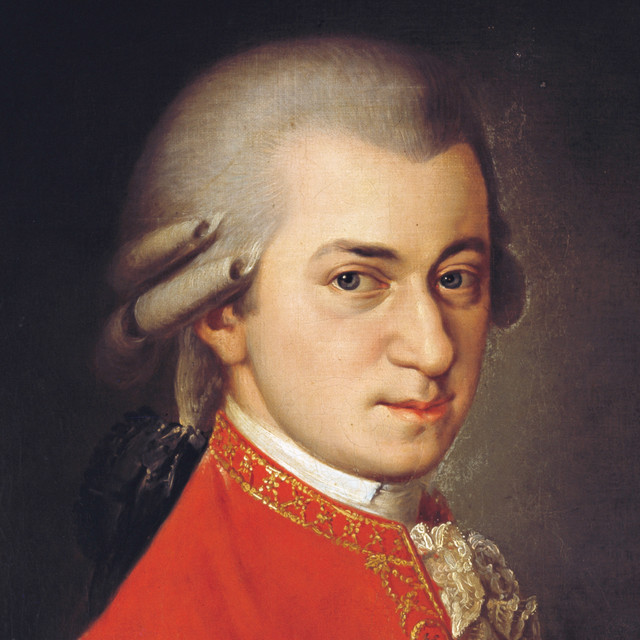
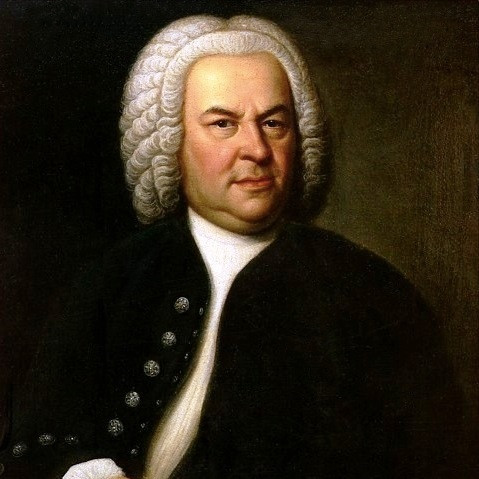
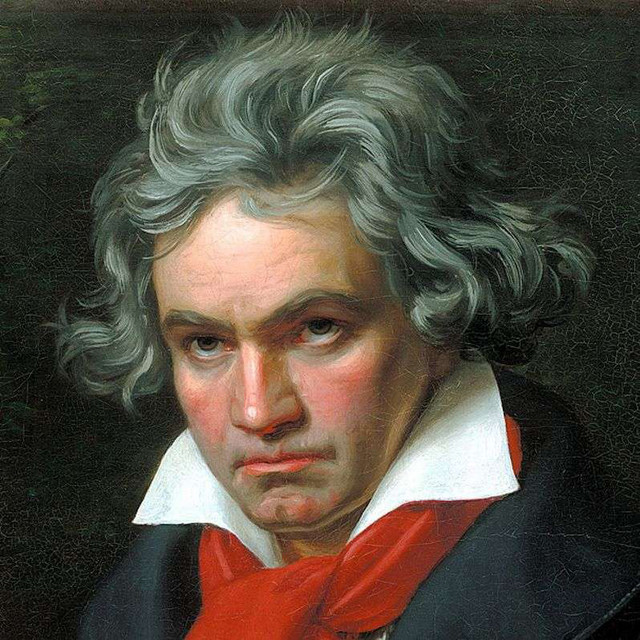
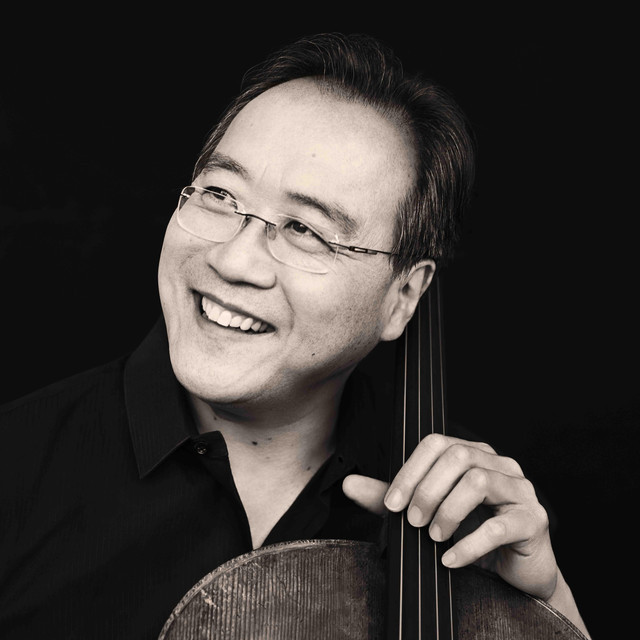
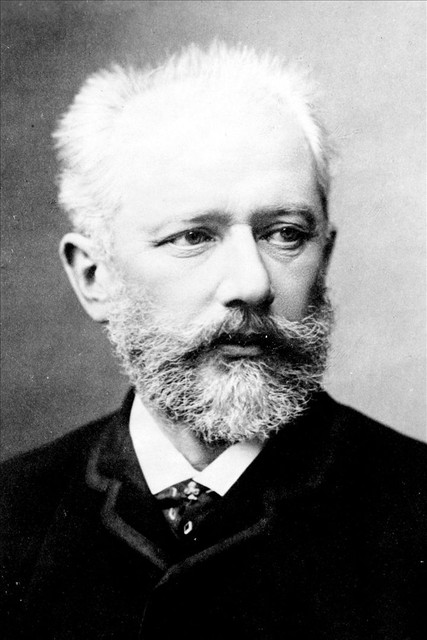
Ambassadors of classical music include a long line of composers whose names are embedded in the culture: Johann Sebastian Bach, a master of counterpoint whose fugues reveal structural rigor; Wolfgang Amadeus Mozart, whose melodic grace and formal mastery became a standard for beauty and clarity; and Ludwig van Beethoven, who opened doors between the Classical and Romantic worlds with emotional depth and architectural scale. In later centuries, Pyotr Ilyich Tchaikovsky, Johannes Brahms, and Pyotr’s compatriots broadened the emotional palette; in the 20th century, Stravinsky and Prokofiev redefined rhythm and orchestration, while performers such as Arturo Toscanini, Leonard Bernstein, Yo-Yo Ma, and Lang Lang helped bring a broader audience to the music.
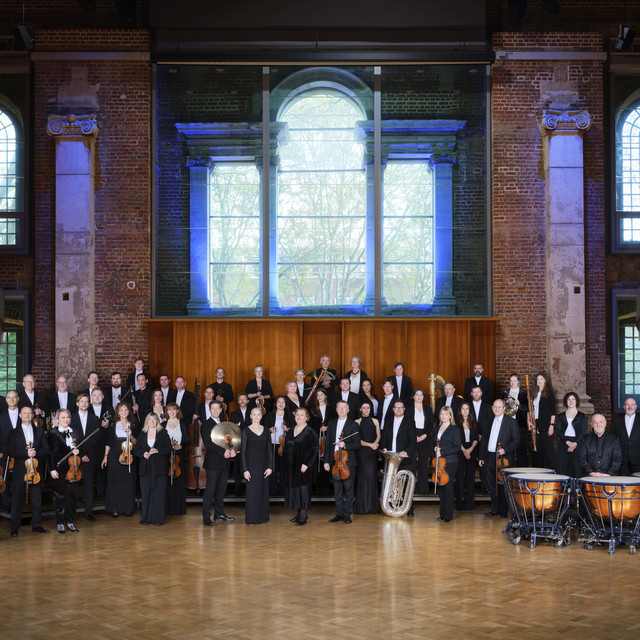
Key forms remain central: symphonies, concertos, sonatas, and string quartets, along with operas, choral works, and piano literature. The orchestra, with its sections of strings, woodwinds, brass, and percussion, serves as a versatile canvas for color and texture; the piano, a primary solo instrument, unlocked intimate and virtuosic language. The tradition values craft, rehearsal discipline, and interpretive nuance—rubato, tempo relationships, and articulation can dramatically alter a piece’s character.
Today, classical music enjoys global reach, thriving in Austria and Germany’s concert halls, Italy’s historic operatic centers, Russia’s grand orchestral heritage, and in the United States as a major cultural institution. Beyond Europe, East Asia, North America, and Latin America maintain vibrant communities of performers, conservatories, festivals, and audiences. For enthusiasts, it offers a living dialogue between centuries: a repertoire that rewards attentive listening, while inviting fresh ears through new commissions and cross-genre collaborations. If you listen closely, classical music speaks in architecture, color, and mood—the testament of a tradition that continually builds, revises, and celebrates human creativity.
The “birth” of Western classical music as a publishable, patron-supported art form grew out of medieval and Renaissance practices—monastic traditions, church choirs, and princely courts. By the 17th century, the Baroque period introduced distinctive ways of shaping sound: ornate melodies, ongoing bass lines (the basso continuo), and dramatic contrasts in texture and mood. The Vienna and Paris courts became hubs where composers perfected forms such as the concerto, suite, and oratorio. The Classical period—pioneered by Joseph Haydn and Mozart and brought to a peak by Ludwig van Beethoven—refined musical architecture: balanced phrases, clear forms like sonata form, and transparent orchestration. The Romantic era expanded horizons with personal expression, national idioms, and monumental symphonies, while the 20th century fractured and reimagined harmony, rhythm, and timbre through figures such as Stravinsky, Debussy, Schoenberg, and many others.
Ambassadors of classical music include a long line of composers whose names are embedded in the culture: Johann Sebastian Bach, a master of counterpoint whose fugues reveal structural rigor; Wolfgang Amadeus Mozart, whose melodic grace and formal mastery became a standard for beauty and clarity; and Ludwig van Beethoven, who opened doors between the Classical and Romantic worlds with emotional depth and architectural scale. In later centuries, Pyotr Ilyich Tchaikovsky, Johannes Brahms, and Pyotr’s compatriots broadened the emotional palette; in the 20th century, Stravinsky and Prokofiev redefined rhythm and orchestration, while performers such as Arturo Toscanini, Leonard Bernstein, Yo-Yo Ma, and Lang Lang helped bring a broader audience to the music.
Key forms remain central: symphonies, concertos, sonatas, and string quartets, along with operas, choral works, and piano literature. The orchestra, with its sections of strings, woodwinds, brass, and percussion, serves as a versatile canvas for color and texture; the piano, a primary solo instrument, unlocked intimate and virtuosic language. The tradition values craft, rehearsal discipline, and interpretive nuance—rubato, tempo relationships, and articulation can dramatically alter a piece’s character.
Today, classical music enjoys global reach, thriving in Austria and Germany’s concert halls, Italy’s historic operatic centers, Russia’s grand orchestral heritage, and in the United States as a major cultural institution. Beyond Europe, East Asia, North America, and Latin America maintain vibrant communities of performers, conservatories, festivals, and audiences. For enthusiasts, it offers a living dialogue between centuries: a repertoire that rewards attentive listening, while inviting fresh ears through new commissions and cross-genre collaborations. If you listen closely, classical music speaks in architecture, color, and mood—the testament of a tradition that continually builds, revises, and celebrates human creativity.