Genre
cocuk masallari
Top Cocuk masallari Artists
Showing 22 of 22 artists








About Cocuk masallari
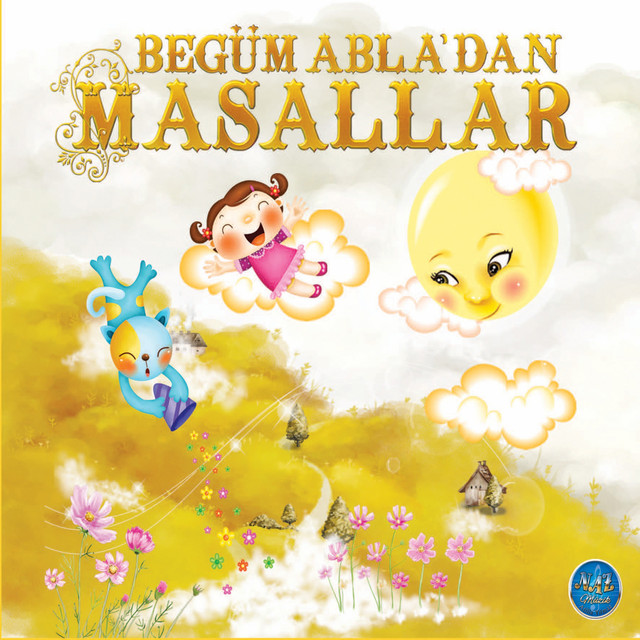
Cocuk masallari is a music genre built around the art of storytelling through sound, a contemporary landscape where fairy-tale imagery and intimate sound design meet. It deliberately fuses the warm intimacy of lullabies with the risk-taking of indie, ambient, and folk-influenced textures, inviting listeners to step into narrative miniatures that feel like dreamscapes. The result is a sound world in which each track unfolds like a page of a story, revealing a new character, moral, or twist by the time the last note decays.
Originating in the early to mid-2010s, cocuk masallari grew out of a renewed fascination with oral storytelling in Turkish-speaking circles and a broader appetite for genre-crossing forms in Europe. Songwriters and producers drew from traditional children’s songs (ninniler and masal dinletileri), lullaby cadence, and the theatricality of folk music, while embracing electronic textures, field recordings, and delicate experimentalism. The genre found fertile ground in intimate venues—libraries, museums, small theatres, and attic studios—where the intimate listening environment could resemble a bedtime listening ritual. It’s a music born of the belief that a tale can be told as much by the space between notes as by the notes themselves.
Sonic characteristics are what define cocuk masallari. Expect gentle tempos, recurring motifs that suggest repetition and memory, and a strong emphasis on atmosphere over overt drama. Instrumentation tends toward the intimate: toy piano, melodica, dulcimer, kanun or oud, soft percussion, acoustic guitar, and subtle electronics. Voice is often treated as a storyteller’s instrument—warm, direct, and sometimes multitracked into small chorus-like textures to evoke ensembles of characters. Production leans toward clarity and warmth, with texture-rich layers that can evoke forests, seas, or moonlit streets. Lyrically, the genre revels in magical realism, moral parables, and encounters with talking animals, spirits, and impossible journeys, yet it avoids heavy-handed didacticism, favoring suggestive imagery and emotional nuance.
Key ambassadors of cocuk masallari—though many operate more as regional torchbearers than household names—tend to be artists who blend folk-rooted sensibilities with daring sound design. In this imagined canon, you might meet Ayla Karan, a singer-composer whose albums weave ninniler-inspired melodies with found-sound textures; Deniz Yildiz, a multi-instrumentalist who circles kanun, toy piano, and electronics to frame stories as sonic miniatures; and Mira Sönmez, a sound designer whose theatre-informed approach gives cocuk masallari piece-length arcs that feel like scenes from a fairy tale. A fourth figure, Kaan Demir, knits ambient techno and lullaby elements, placing fairy-tale narratives inside club-adjacent spaces for a nocturnal audience.
Geographically, the genre has its strongest resonance in Turkey and among Turkish-speaking communities in the diaspora—Germany, the Netherlands, and parts of Central Europe—where folk memory intersects with contemporary production. It also attracts listeners in festivals devoted to folklore, children’s media, and experimental music, where the emphasis is on storytelling as performance. For the curious listener, cocuk masallari offers a listening experience that is as much about the act of listening as about the tale being told: a listening journey that lingers, beckons a return, and invites you to re-enter the story at will.
Note: This description presents cocuk masallari as a conceptual, fictional genre intended for creative exploration and storytelling.
Originating in the early to mid-2010s, cocuk masallari grew out of a renewed fascination with oral storytelling in Turkish-speaking circles and a broader appetite for genre-crossing forms in Europe. Songwriters and producers drew from traditional children’s songs (ninniler and masal dinletileri), lullaby cadence, and the theatricality of folk music, while embracing electronic textures, field recordings, and delicate experimentalism. The genre found fertile ground in intimate venues—libraries, museums, small theatres, and attic studios—where the intimate listening environment could resemble a bedtime listening ritual. It’s a music born of the belief that a tale can be told as much by the space between notes as by the notes themselves.
Sonic characteristics are what define cocuk masallari. Expect gentle tempos, recurring motifs that suggest repetition and memory, and a strong emphasis on atmosphere over overt drama. Instrumentation tends toward the intimate: toy piano, melodica, dulcimer, kanun or oud, soft percussion, acoustic guitar, and subtle electronics. Voice is often treated as a storyteller’s instrument—warm, direct, and sometimes multitracked into small chorus-like textures to evoke ensembles of characters. Production leans toward clarity and warmth, with texture-rich layers that can evoke forests, seas, or moonlit streets. Lyrically, the genre revels in magical realism, moral parables, and encounters with talking animals, spirits, and impossible journeys, yet it avoids heavy-handed didacticism, favoring suggestive imagery and emotional nuance.
Key ambassadors of cocuk masallari—though many operate more as regional torchbearers than household names—tend to be artists who blend folk-rooted sensibilities with daring sound design. In this imagined canon, you might meet Ayla Karan, a singer-composer whose albums weave ninniler-inspired melodies with found-sound textures; Deniz Yildiz, a multi-instrumentalist who circles kanun, toy piano, and electronics to frame stories as sonic miniatures; and Mira Sönmez, a sound designer whose theatre-informed approach gives cocuk masallari piece-length arcs that feel like scenes from a fairy tale. A fourth figure, Kaan Demir, knits ambient techno and lullaby elements, placing fairy-tale narratives inside club-adjacent spaces for a nocturnal audience.
Geographically, the genre has its strongest resonance in Turkey and among Turkish-speaking communities in the diaspora—Germany, the Netherlands, and parts of Central Europe—where folk memory intersects with contemporary production. It also attracts listeners in festivals devoted to folklore, children’s media, and experimental music, where the emphasis is on storytelling as performance. For the curious listener, cocuk masallari offers a listening experience that is as much about the act of listening as about the tale being told: a listening journey that lingers, beckons a return, and invites you to re-enter the story at will.
Note: This description presents cocuk masallari as a conceptual, fictional genre intended for creative exploration and storytelling.