Genre
colombian indie
Top Colombian indie Artists
Showing 20 of 20 artists





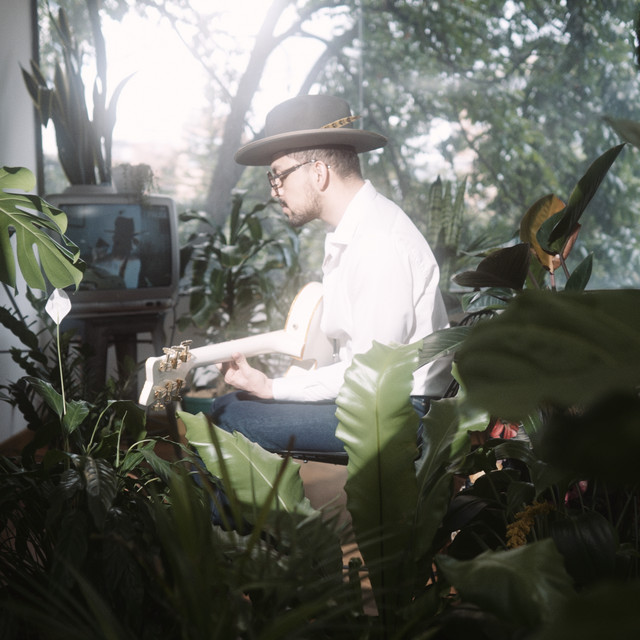






About Colombian indie
Colombian indie is not a single sound but a map of restless, bookish, and danceable experimentation that grew from Colombia’s urban music scenes into a recognizable global voice. It’s a label that covers indie rock, indie pop, dream pop, folk-inflected songs, and electronic textures all sung in Spanish, with a strong sense of place in Bogotá, Medellín, Cali and beyond. At its core, Colombian indie blends the country’s rich musical tradition—cumbia, vallenato, porro, and tropical rhythms—with contemporary textures borrowed from global indie, electronic and alternative scenes. The result is music that can be intimate and lo-fi in one track, and club-ready and electro-driven in the next.
The scene has roots stretching back to the broader Latin American indie wave, but the Colombian variant truly coalesced in the 2000s. Early on, artists who fused rock with Colombia’s folk and tropical sounds laid groundwork for a homegrown indie ethos: DIY recording, independent labels, and a growing network of venues and festivals. By the mid-2000s, a generation of bands and singer-songwriters emerged from universities, studios and rehearsal spaces, building audiences online and on college radio before breaking into larger stages. The result was a generation that could sing in intimate confessionals one moment and ignite a crowd with a danceable hook the next.
Among the ambassadors of Colombian indie, Aterciopelados stands as a luminous bridge between generations. Formed in the mid-1990s, they helped put Colombia on the alternative-rock map by weaving guitar-driven songs with Colombian rhythms and social critique, proving that indie could carry both personal storytelling and cultural specificity. In the 2000s and 2010s, Bomba Estéreo became a flagship act, pushing electro-cumbia into global clubs and festival main stages. Their sound—danceable, tropical, and irresistibly cinematic—became synonymous with how Colombian indie could cross over from local scenes to international audiences without losing its pulse. Then there’s Monsieur Periné, a duo that arrived with a breezy indie folk/pop charm, nostalgic imagery, and a cosmopolitan touch that drew audiences across Latin America and Europe; their win and international touring helped crystallize a more melodic, lyric-driven strand of Colombian indie.
In terms of sound, you’ll hear Spanish-language narrations that are observant, romantic or socially aware, often delivered with warm reverb, bright guitars, synth textures, and percussion that nods to homegrown traditions. The genre also thrives in live contexts: intimate listening rooms, university venues, and the big stages of festivals like Estéreo Picnic and Rock al Parque, which have become incubators for new acts and a showcase for the scene’s vitality.
Colombian indie remains strongest at home, in Colombia’s major cities, where audiences cherish the fusion of local identity and global sensibilities. Abroad, it enjoys pockets of popularity in Spain, Mexico, Argentina and Chile, and among Latinx and world-music enthusiasts in the United States and Europe, especially where streaming and touring keep the music moving. If you’re exploring Colombian indie, you’re following a continuum—one that respects the tradition while eagerly courting the new, the electronic, and the experimental. It’s a genre that has learned to dance with its roots and its horizons at once.
The scene has roots stretching back to the broader Latin American indie wave, but the Colombian variant truly coalesced in the 2000s. Early on, artists who fused rock with Colombia’s folk and tropical sounds laid groundwork for a homegrown indie ethos: DIY recording, independent labels, and a growing network of venues and festivals. By the mid-2000s, a generation of bands and singer-songwriters emerged from universities, studios and rehearsal spaces, building audiences online and on college radio before breaking into larger stages. The result was a generation that could sing in intimate confessionals one moment and ignite a crowd with a danceable hook the next.
Among the ambassadors of Colombian indie, Aterciopelados stands as a luminous bridge between generations. Formed in the mid-1990s, they helped put Colombia on the alternative-rock map by weaving guitar-driven songs with Colombian rhythms and social critique, proving that indie could carry both personal storytelling and cultural specificity. In the 2000s and 2010s, Bomba Estéreo became a flagship act, pushing electro-cumbia into global clubs and festival main stages. Their sound—danceable, tropical, and irresistibly cinematic—became synonymous with how Colombian indie could cross over from local scenes to international audiences without losing its pulse. Then there’s Monsieur Periné, a duo that arrived with a breezy indie folk/pop charm, nostalgic imagery, and a cosmopolitan touch that drew audiences across Latin America and Europe; their win and international touring helped crystallize a more melodic, lyric-driven strand of Colombian indie.
In terms of sound, you’ll hear Spanish-language narrations that are observant, romantic or socially aware, often delivered with warm reverb, bright guitars, synth textures, and percussion that nods to homegrown traditions. The genre also thrives in live contexts: intimate listening rooms, university venues, and the big stages of festivals like Estéreo Picnic and Rock al Parque, which have become incubators for new acts and a showcase for the scene’s vitality.
Colombian indie remains strongest at home, in Colombia’s major cities, where audiences cherish the fusion of local identity and global sensibilities. Abroad, it enjoys pockets of popularity in Spain, Mexico, Argentina and Chile, and among Latinx and world-music enthusiasts in the United States and Europe, especially where streaming and touring keep the music moving. If you’re exploring Colombian indie, you’re following a continuum—one that respects the tradition while eagerly courting the new, the electronic, and the experimental. It’s a genre that has learned to dance with its roots and its horizons at once.