Genre
comedy
Top Comedy Artists
Showing 25 of 3,924 artists



















About Comedy
Comedy as a music genre is a playful, satirical thread woven through many styles of song. It thrives on witty lyrics, clever wordplay, parody, and performers who treat music as a vehicle for jokes, social commentary, or absurdity. While not tied to a single sonic aesthetic, comedy music often invites listeners to hear familiar genres—rock, pop, folk, rap, or cabaret—twisted into unexpected, humorous experiences. For music enthusiasts, the genre offers a special appeal: the thrill of enjoying a well-turned joke that competes with the virtuosity of the music itself.
The birth of comedic music sits at the crossroads of vaudeville, minstrel shows, and the era of novelty records in the late 19th and early 20th centuries. Early recordings and live acts showcased performers who used lyrics as punchlines as deftly as melodies. In the mid-20th century, the field broadened with acts like Spike Jones and His City Slickers, who used satirical lyrics, zany sound effects, and chaotic arrangements to lampoon pop culture and current events. Around the same time, Tom Lehrer and Stan Freberg refined the art of satire in song, delivering razor-sharp social critique with melodic clarity. Lehrer's humor was often pointed, wry, and densely crafted, while Freberg blended advertising savvy with biting commentary, foreshadowing a later, multimedia era of comedy.
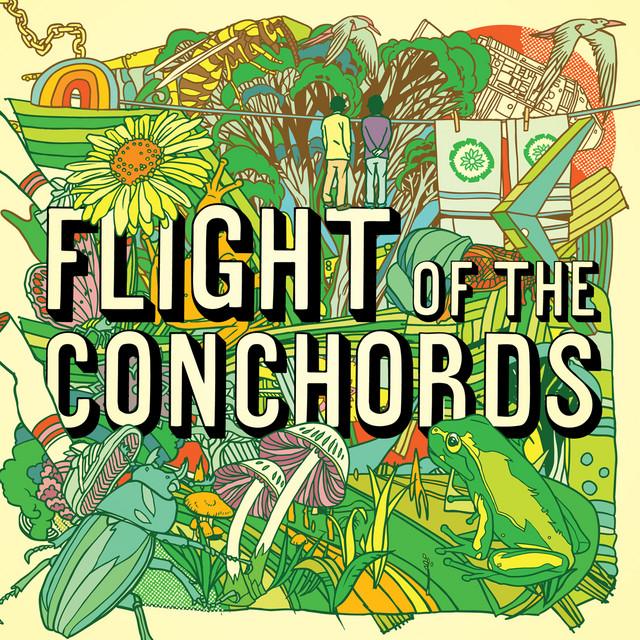
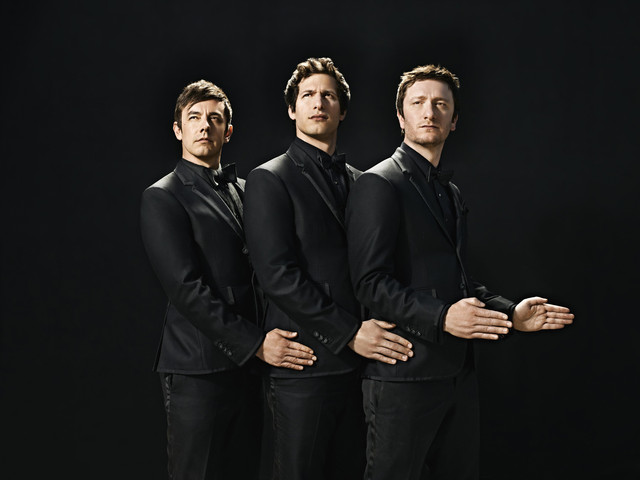
The modern wave of comedy music took a definitive shape in the 1980s and beyond with artists who made humor a central method of musical storytelling. Weird Al Yankovic became the dominant ambassador, turning pop hits into parodies that traded on precise musical wit and flawless pastiche. His work demonstrated that a great joke could ride a catchy chorus and tight arrangement. The 2000s and 2010s expanded the field further through international ensembles and internet-era projects. Flight of the Conchords, the New Zealand duo, fused deadpan Delivery with clever original songs that felt like stand-up in a surgical suit—music that could be both funny and musically satisfying. Tim Minchin, an Australian performer, built a career on theatrical songs that combine storytelling, piano-driven melodies, and sharp social observations. Bo Burnham, an American comedian and musician, pushed the form into modern multimedia territory with introspective and self-referential musical comedy. The Lonely Island, an American trio, brought high-energy rap parodies to viral platforms, marrying sophistication in rhyme with over-the-top absurdity.
Some other contemporary ambassadors include Jonathan Coulton, known for nerdy, witty storytelling; Garfunkel and Oates for satirical folk-pop; and artists who blend genres—indie, rock, hip hop, and electronic—into humorous packages. The genre now thrives online, with YouTube and streaming services acting as fertile ground for episodic web-series songs, parody channels, and original comedic music that reaches a global audience.
Geographically, comedy music is especially robust in the United States and the United Kingdom, where vaudeville, late-night comedy, and pop culture satire have deep roots. It has strong footprints in Canada, Australia, and New Zealand, where a culture of witty, performance-driven humor intersects with local music scenes. Across Europe and beyond, niche audiences treasure clever parody, satirical ballads, and musical sketches, even as the form continually evolves with new media formats.
For enthusiasts, comedy music offers a dual pleasure: the delight of a well-constructed joke and the satisfaction of hearing it delivered with genuine musical craft. It’s a genre that rewards listening closely—the punchline often lands on the second or third listen, when the melody, rhythm, and lyric twist reveal themselves in full.
The birth of comedic music sits at the crossroads of vaudeville, minstrel shows, and the era of novelty records in the late 19th and early 20th centuries. Early recordings and live acts showcased performers who used lyrics as punchlines as deftly as melodies. In the mid-20th century, the field broadened with acts like Spike Jones and His City Slickers, who used satirical lyrics, zany sound effects, and chaotic arrangements to lampoon pop culture and current events. Around the same time, Tom Lehrer and Stan Freberg refined the art of satire in song, delivering razor-sharp social critique with melodic clarity. Lehrer's humor was often pointed, wry, and densely crafted, while Freberg blended advertising savvy with biting commentary, foreshadowing a later, multimedia era of comedy.
The modern wave of comedy music took a definitive shape in the 1980s and beyond with artists who made humor a central method of musical storytelling. Weird Al Yankovic became the dominant ambassador, turning pop hits into parodies that traded on precise musical wit and flawless pastiche. His work demonstrated that a great joke could ride a catchy chorus and tight arrangement. The 2000s and 2010s expanded the field further through international ensembles and internet-era projects. Flight of the Conchords, the New Zealand duo, fused deadpan Delivery with clever original songs that felt like stand-up in a surgical suit—music that could be both funny and musically satisfying. Tim Minchin, an Australian performer, built a career on theatrical songs that combine storytelling, piano-driven melodies, and sharp social observations. Bo Burnham, an American comedian and musician, pushed the form into modern multimedia territory with introspective and self-referential musical comedy. The Lonely Island, an American trio, brought high-energy rap parodies to viral platforms, marrying sophistication in rhyme with over-the-top absurdity.
Some other contemporary ambassadors include Jonathan Coulton, known for nerdy, witty storytelling; Garfunkel and Oates for satirical folk-pop; and artists who blend genres—indie, rock, hip hop, and electronic—into humorous packages. The genre now thrives online, with YouTube and streaming services acting as fertile ground for episodic web-series songs, parody channels, and original comedic music that reaches a global audience.
Geographically, comedy music is especially robust in the United States and the United Kingdom, where vaudeville, late-night comedy, and pop culture satire have deep roots. It has strong footprints in Canada, Australia, and New Zealand, where a culture of witty, performance-driven humor intersects with local music scenes. Across Europe and beyond, niche audiences treasure clever parody, satirical ballads, and musical sketches, even as the form continually evolves with new media formats.
For enthusiasts, comedy music offers a dual pleasure: the delight of a well-constructed joke and the satisfaction of hearing it delivered with genuine musical craft. It’s a genre that rewards listening closely—the punchline often lands on the second or third listen, when the melody, rhythm, and lyric twist reveal themselves in full.