Genre
contemporary r&b
Top Contemporary r&b Artists
Showing 25 of 246 artists


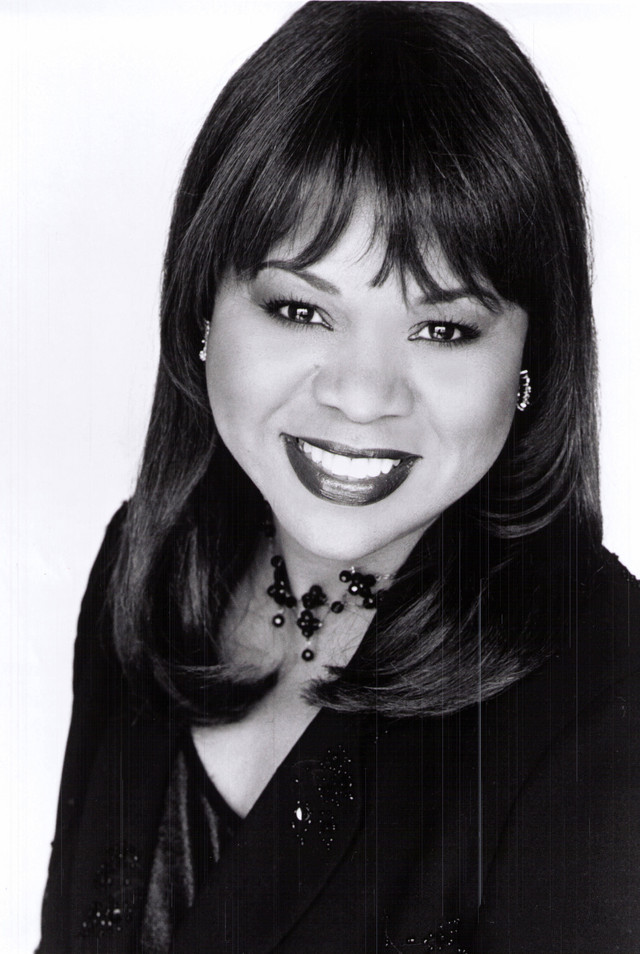
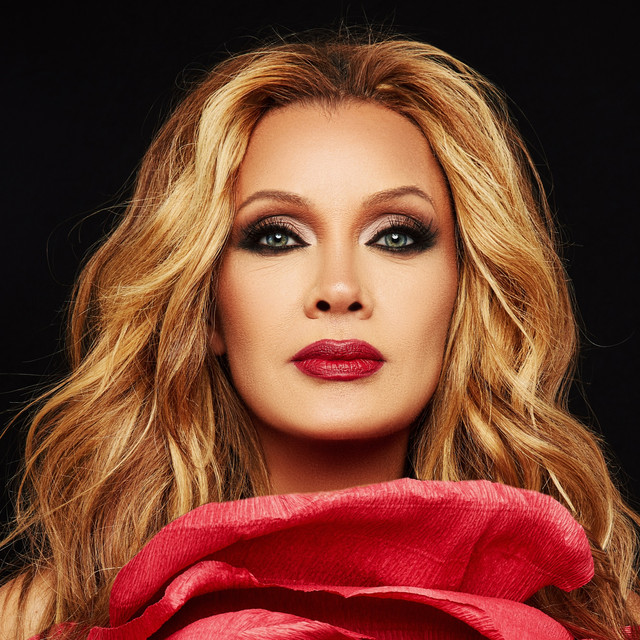
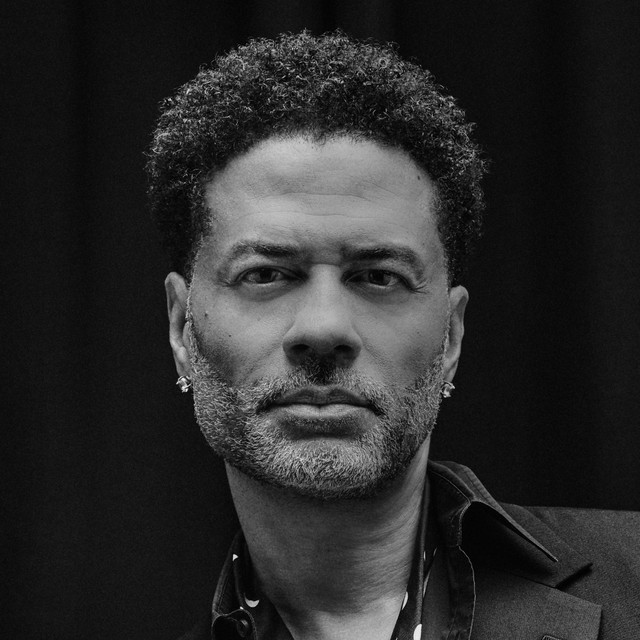
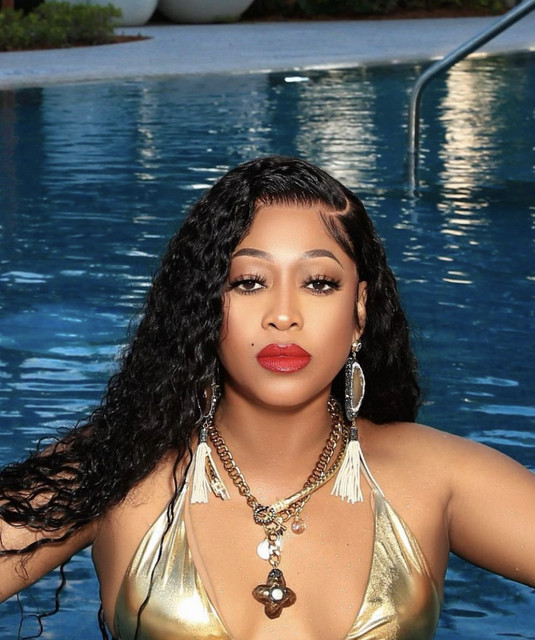

About Contemporary r&b
Contemporary R&B is the modern evolution of rhythm and blues, a genre that foregrounds expressive vocal versatility within a sleek, often hip‑hop–tinged production language. It thrives on mood and melodic immediacy as much as on lyric introspection, blending soulful timbres with electronic textures, polished guitar lines, and occasionally cinematic arrangements. The result is a versatile spectrum that can range from intimate ballads to buoyant, club-ready grooves, all rooted in R&B’s emotional core.
Origins and birth moment: Contemporary R&B did not spring from a single point, but emerged in the late 1980s and early 1990s as a continuation of the classic R&B tradition fused with hip‑hop’s rhythm-driven sensibility. The era gave birth to “hip‑hop soul,” with Mary J. Blige at the forefront, integrating tough rap-inflected rhythms with soulful singing. Parallel to that, the neo-soul movement—led by D’Angelo, Erykah Badu, and Maxwell—pushed a more intimate, organic sound that emphasized live instrumentation and vocal nuance. By the mid‑ to late‑1990s and into the 2000s, producers such as Babyface, L.A. Reid, Timbaland, and Missy Elliott helped codify a glossy, radio‑friendly aesthetic that could sit beside pop, rock, or rap while preserving R&B’s emotional center. The sound continued to evolve through the 2010s and 2020s as artists explored slower tempos, more minimal textures, and experimental song forms.
What defines its sound today: Contemporary R&B often centers vulnerable, confessional storytelling—love, heartbreak, desire, and identity—delivered in smooth or breathy vocal styles. Instrumentation can be sparse or richly layered: programmable beats, 808 bass, shimmering synths, piano motifs, and occasional gospel harmonies. Production choices frequently blend analog warmth with digital clarity, allowing vocal presence to stay front and center even when the track leans toward the hypnotic. The genre routinely borrows from trap, neo-soul, electronic music, and pop, creating a flexible sonic palette that can be urbane and cinematic or intimate and direct.
Ambassadors and milestones: Contemporary R&B has a roster of influential voices across generations. Among the most emblematic are:
- Usher
- Beyoncé
- Mary J. Blige
- D’Angelo
- Erykah Badu
- Aaliyah
- Alicia Keys
- Rihanna
- Ne‑Yo
- The Weeknd
- Frank Ocean
- SZA
- H.E.R.
- Miguel
- Khalid
- Daniel Caesar
- Jorja Smith
- Giveon
Global reach and popularity: The core market remains the United States, where peakクリ radio and streaming activity often culminate in award-season visibility. The United Kingdom and Canada maintain strong, ongoing interest, with crossovers into pop and dance scenes. Continental Europe—France, the Netherlands, Germany, and beyond—shows robust audiences for both contemporary R&B albums and live performances. Australia and parts of Asia have growing listener bases thanks to streaming platforms, artist-curated playlists, and increasingly international tours. In many regions, the genre’s adaptability—combining soulful vocal emotion with contemporary textures—helps it travel beyond traditional R&B enclaves into mainstream pop culture.
In short, contemporary R&B is a living, evolving dialogue between classic soul sentiment and modern production ingenuity. It’s a genre that invites vocal nuance, storytelling intimacy, and genre-crossing experimentation, continuing to shape how listeners experience emotion through sound.
Origins and birth moment: Contemporary R&B did not spring from a single point, but emerged in the late 1980s and early 1990s as a continuation of the classic R&B tradition fused with hip‑hop’s rhythm-driven sensibility. The era gave birth to “hip‑hop soul,” with Mary J. Blige at the forefront, integrating tough rap-inflected rhythms with soulful singing. Parallel to that, the neo-soul movement—led by D’Angelo, Erykah Badu, and Maxwell—pushed a more intimate, organic sound that emphasized live instrumentation and vocal nuance. By the mid‑ to late‑1990s and into the 2000s, producers such as Babyface, L.A. Reid, Timbaland, and Missy Elliott helped codify a glossy, radio‑friendly aesthetic that could sit beside pop, rock, or rap while preserving R&B’s emotional center. The sound continued to evolve through the 2010s and 2020s as artists explored slower tempos, more minimal textures, and experimental song forms.
What defines its sound today: Contemporary R&B often centers vulnerable, confessional storytelling—love, heartbreak, desire, and identity—delivered in smooth or breathy vocal styles. Instrumentation can be sparse or richly layered: programmable beats, 808 bass, shimmering synths, piano motifs, and occasional gospel harmonies. Production choices frequently blend analog warmth with digital clarity, allowing vocal presence to stay front and center even when the track leans toward the hypnotic. The genre routinely borrows from trap, neo-soul, electronic music, and pop, creating a flexible sonic palette that can be urbane and cinematic or intimate and direct.
Ambassadors and milestones: Contemporary R&B has a roster of influential voices across generations. Among the most emblematic are:
- Usher
- Beyoncé
- Mary J. Blige
- D’Angelo
- Erykah Badu
- Aaliyah
- Alicia Keys
- Rihanna
- Ne‑Yo
- The Weeknd
- Frank Ocean
- SZA
- H.E.R.
- Miguel
- Khalid
- Daniel Caesar
- Jorja Smith
- Giveon
Global reach and popularity: The core market remains the United States, where peakクリ radio and streaming activity often culminate in award-season visibility. The United Kingdom and Canada maintain strong, ongoing interest, with crossovers into pop and dance scenes. Continental Europe—France, the Netherlands, Germany, and beyond—shows robust audiences for both contemporary R&B albums and live performances. Australia and parts of Asia have growing listener bases thanks to streaming platforms, artist-curated playlists, and increasingly international tours. In many regions, the genre’s adaptability—combining soulful vocal emotion with contemporary textures—helps it travel beyond traditional R&B enclaves into mainstream pop culture.
In short, contemporary R&B is a living, evolving dialogue between classic soul sentiment and modern production ingenuity. It’s a genre that invites vocal nuance, storytelling intimacy, and genre-crossing experimentation, continuing to shape how listeners experience emotion through sound.