Genre
copla
Top Copla Artists
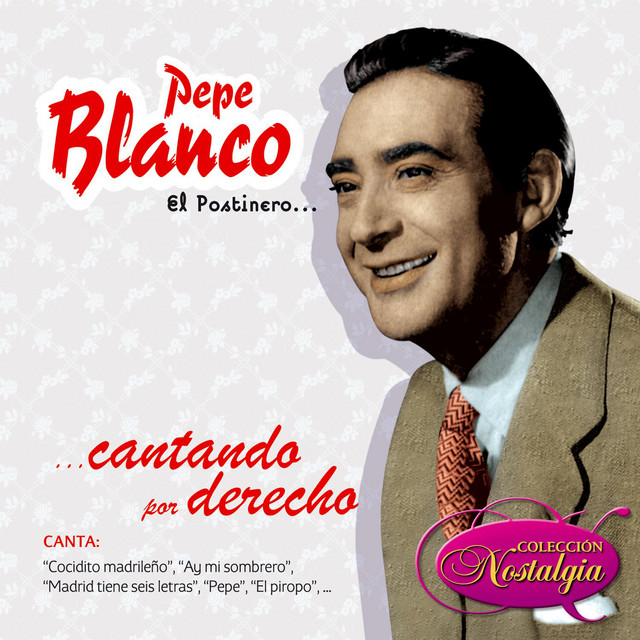
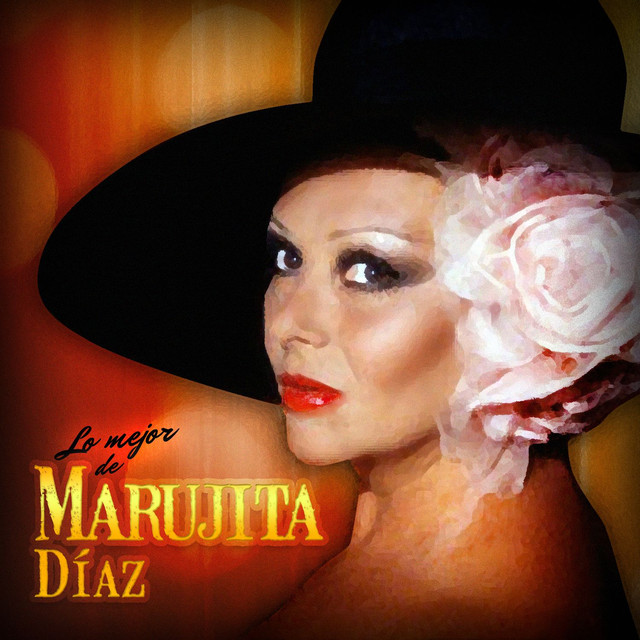
Showing 6 of 6 artists


About Copla
Copla is one of Spain’s most evocative and enduring song forms, a dramatic, narrative-driven tradition that has enchanted music lovers for nearly a century. Born in the first half of the 20th century in Spain—primarily taking root in Andalusia and Madrid—it drew on older folk tunes, cante jondo influences, bolero, and zarzuela to create compact, emotionally charged songs. Its popularity surged in the 1940s through the 1960s, a period often spoken of as the “Golden Age” of the copla, when radio, cinema, and theater helped kindle a mass audience.
What sets copla apart is its emphasis on storytelling and passion. A typical copla song centers a vivid protagonist and a moral or emotional crossroads—love, betrayal, longing, pride, and the social constraints that shape a person’s choices. The lyrics are concise but potent, often sung with a declamatory, melodramatic delivery that invites the listener into a fully formed little drama. Musically, the genre favors direct, memorable melodies carried by the voice against sturdy accompaniment—guitar, piano, and sometimes a light orchestral texture. The form is known for its expressive contrasts: tenderness and fury, nostalgia and resolve, all distilled into a few minutes of ardent song.
Two threads run through the copla’s fabric: a strong folkloric spine and a refined, stage-oriented polish. On the one hand, it inherits rural Andalusian color and the emotional honesty of traditional street ballads. On the other, it travels through studios, theatres, and film; composers and lyricists crafted songs designed for dramatic performance, to be sung with conviction in front of an audience. A frequent feature is a spoken or spoken-like emphasis that heightens the story at crucial moments, almost like a mini-drama within a song.
Key artists and ambassadors have helped define the genre’s identity. Concha Piquer is often hailed as the “queen of the copla,” a pioneering force whose recordings brought the style into households across Spain. Other central voices from the era include Lola Flores, Imperio Argentina, Miguel de Molina, Manolo Caracol, and Antonio Molina, each contributing signature interpretations that shaped how the songs felt and sounded. The collaboration of lyricists and composers—especially the trio known as Quintero, León y Quiroga—produced many of the era’s enduring titles and helped standardize the repertoire.
Copla’s appeal extends beyond Spain. It enjoyed a broad listenership across the Spanish-speaking world, with strong roots in Latin American countries such as Mexico, Argentina, Chile, and others, where radio and cinema carried the genre to new homes. While its heyday was in mid-20th-century Spain, the copla’s distinctive drama continues to resonate with enthusiasts today, sung in the original language and reinterpreted by later generations.
For enthusiasts, copla offers a potent combination of narrative arc, vocal prowess, and cultural memory: a window into a Spain where music was both intimate confession and social theater. Its revival in films, stage works, and contemporary recordings keeps the tradition alive, inviting new listeners to discover the emotional immediacy and cinematic storytelling at the heart of the copla.
What sets copla apart is its emphasis on storytelling and passion. A typical copla song centers a vivid protagonist and a moral or emotional crossroads—love, betrayal, longing, pride, and the social constraints that shape a person’s choices. The lyrics are concise but potent, often sung with a declamatory, melodramatic delivery that invites the listener into a fully formed little drama. Musically, the genre favors direct, memorable melodies carried by the voice against sturdy accompaniment—guitar, piano, and sometimes a light orchestral texture. The form is known for its expressive contrasts: tenderness and fury, nostalgia and resolve, all distilled into a few minutes of ardent song.
Two threads run through the copla’s fabric: a strong folkloric spine and a refined, stage-oriented polish. On the one hand, it inherits rural Andalusian color and the emotional honesty of traditional street ballads. On the other, it travels through studios, theatres, and film; composers and lyricists crafted songs designed for dramatic performance, to be sung with conviction in front of an audience. A frequent feature is a spoken or spoken-like emphasis that heightens the story at crucial moments, almost like a mini-drama within a song.
Key artists and ambassadors have helped define the genre’s identity. Concha Piquer is often hailed as the “queen of the copla,” a pioneering force whose recordings brought the style into households across Spain. Other central voices from the era include Lola Flores, Imperio Argentina, Miguel de Molina, Manolo Caracol, and Antonio Molina, each contributing signature interpretations that shaped how the songs felt and sounded. The collaboration of lyricists and composers—especially the trio known as Quintero, León y Quiroga—produced many of the era’s enduring titles and helped standardize the repertoire.
Copla’s appeal extends beyond Spain. It enjoyed a broad listenership across the Spanish-speaking world, with strong roots in Latin American countries such as Mexico, Argentina, Chile, and others, where radio and cinema carried the genre to new homes. While its heyday was in mid-20th-century Spain, the copla’s distinctive drama continues to resonate with enthusiasts today, sung in the original language and reinterpreted by later generations.
For enthusiasts, copla offers a potent combination of narrative arc, vocal prowess, and cultural memory: a window into a Spain where music was both intimate confession and social theater. Its revival in films, stage works, and contemporary recordings keeps the tradition alive, inviting new listeners to discover the emotional immediacy and cinematic storytelling at the heart of the copla.