Genre
coptic hymn
Top Coptic hymn Artists
Showing 19 of 19 artists
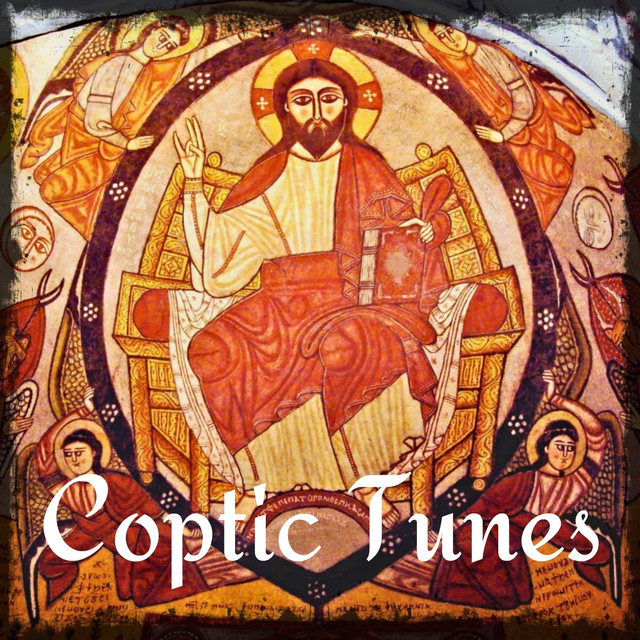


About Coptic hymn
Coptic hymn is the sacred chant tradition of the Coptic Orthodox Church, the historic Christian community of Egypt. It is not popular music in the secular sense but a liturgical art form carried in worship, processions, and feasts. Its soundscape is defined by monophonic vocal lines, antiphonal chanting, and a deeply contemplative, prayerful character that aims to accompany the liturgy rather than entertain a general audience.
Origins and birth
The roots of Coptic hymn trace to late antique Alexandria and the broader Egyptian Christian milieu, where Christian worship absorbed local musical sensibilities and the Greek-influenced chant of the Mediterranean world. Over the centuries, the Coptic rite developed its own distinctive repertoire of psalms, hymns, troparia, and canticles, often sung in the Coptic language side by side with Arabic in many communities today. The practice matured in monasteries and cathedrals, where choirs and solo chanters preserve a tradition of liturgical storytelling through melody, text, and timing. Unlike many secular genres, Coptic hymn remains tightly bound to the liturgical calendar, with specific hymns assigned to Sundays, saints’ days, Holy Week, and major feasts.
Structure, language, and sound
Coptic chant favors plainchant-like melodic lines and a restrained, meditative mood. It is typically performed by male choirs, sometimes a single chanter with a responsive chorus, and often without instrumental accompaniment in traditional settings, though organ and other instruments are occasionally used in contemporary performances or large churches. The melodies rely on modal frameworks and distinctive cadential formulas that give the music its austere, almost otherworldly character. The spoken/chanted texts are usually in Coptic, the liturgical language descended from ancient Egyptian, but Arabic versions are common in modern worship. The result is a sound world that feels ancient and timeless, with harmonies and rhythms that emphasize breath, reverence, and communal prayer.
Ambassadors and key figures
Because Coptic hymn is primarily liturgical, its ambassadors are church communities, monastic choirs, and liturgical composers rather than pop artists. The best-preserved ambassadors are the monastic and cathedral choirs of Egypt, especially those connected to major centers such as Cairo and the ancient monasteries that preserve the chant’s performance practice. In a broader sense, diaspora communities—Coptic churches in the United States, Canada, Australia, and Europe—play a crucial role in sustaining and sharing the tradition through recordings, live performances, and educational programs. Contemporary hymnographers and liturgical editors who publish hymn collections, chant books, and audio recordings also help circulate the repertoire beyond its home parishes, allowing enthusiasts worldwide to study and encounter the genre.
Geography and popularity
The heartland of Coptic hymn remains Egypt, where it is inseparable from daily worship and festive liturgies. Beyond Egypt, it thrives in diaspora hubs with substantial Coptic populations, notably North America and parts of Europe and Africa, where church choirs perform and record hymns in both Coptic and Arabic. For music lovers, the genre offers a rare window into an ancient liturgical culture, blending devotional singability with scholarly musical craft.
Listening suggestions
Seek recordings from prominent Coptic cathedrals and monasteries; live liturgies and chanted propers reveal the immediacy and devotion of the tradition. For enthusiasts, exploring this genre is less about repertoire breadth and more about the cumulative feel of prayer sung across generations—an aural map of Egypt’s Christian heritage.
Origins and birth
The roots of Coptic hymn trace to late antique Alexandria and the broader Egyptian Christian milieu, where Christian worship absorbed local musical sensibilities and the Greek-influenced chant of the Mediterranean world. Over the centuries, the Coptic rite developed its own distinctive repertoire of psalms, hymns, troparia, and canticles, often sung in the Coptic language side by side with Arabic in many communities today. The practice matured in monasteries and cathedrals, where choirs and solo chanters preserve a tradition of liturgical storytelling through melody, text, and timing. Unlike many secular genres, Coptic hymn remains tightly bound to the liturgical calendar, with specific hymns assigned to Sundays, saints’ days, Holy Week, and major feasts.
Structure, language, and sound
Coptic chant favors plainchant-like melodic lines and a restrained, meditative mood. It is typically performed by male choirs, sometimes a single chanter with a responsive chorus, and often without instrumental accompaniment in traditional settings, though organ and other instruments are occasionally used in contemporary performances or large churches. The melodies rely on modal frameworks and distinctive cadential formulas that give the music its austere, almost otherworldly character. The spoken/chanted texts are usually in Coptic, the liturgical language descended from ancient Egyptian, but Arabic versions are common in modern worship. The result is a sound world that feels ancient and timeless, with harmonies and rhythms that emphasize breath, reverence, and communal prayer.
Ambassadors and key figures
Because Coptic hymn is primarily liturgical, its ambassadors are church communities, monastic choirs, and liturgical composers rather than pop artists. The best-preserved ambassadors are the monastic and cathedral choirs of Egypt, especially those connected to major centers such as Cairo and the ancient monasteries that preserve the chant’s performance practice. In a broader sense, diaspora communities—Coptic churches in the United States, Canada, Australia, and Europe—play a crucial role in sustaining and sharing the tradition through recordings, live performances, and educational programs. Contemporary hymnographers and liturgical editors who publish hymn collections, chant books, and audio recordings also help circulate the repertoire beyond its home parishes, allowing enthusiasts worldwide to study and encounter the genre.
Geography and popularity
The heartland of Coptic hymn remains Egypt, where it is inseparable from daily worship and festive liturgies. Beyond Egypt, it thrives in diaspora hubs with substantial Coptic populations, notably North America and parts of Europe and Africa, where church choirs perform and record hymns in both Coptic and Arabic. For music lovers, the genre offers a rare window into an ancient liturgical culture, blending devotional singability with scholarly musical craft.
Listening suggestions
Seek recordings from prominent Coptic cathedrals and monasteries; live liturgies and chanted propers reveal the immediacy and devotion of the tradition. For enthusiasts, exploring this genre is less about repertoire breadth and more about the cumulative feel of prayer sung across generations—an aural map of Egypt’s Christian heritage.