Genre
cornetas y tambores
Top Cornetas y tambores Artists
Showing 25 of 112 artists






About Cornetas y tambores
Cornetas y tambores, literally “cornets and drums,” is a brass-and-percussion musical tradition that thrives in streets, plazas, and religious processions across the Spanish-speaking world. It’s not a single studio genre so much as a living, community-based practice: ensembles of cornet or trumpet-like brass instruments paired with snare, bass, and auxiliary drums that lead parades, fiestas, and ritual events with bright, martial fanfares and a powerful, propulsive pulse.
Origins and birth
The sound sits at the intersection of military bands, church processions, and local folk marching ensembles that emerged in Iberian-influenced communities from the 18th century onward. As colonial cities and Catholic brotherhoods expanded their ceremonial calendars, disciplined brass lines and drum corps became the sonic backbone of public devotion, civic pride, and seasonal celebration. Over time, these groups settled into regional identities, adopting distinctive uniforms, repertoire, and marching styles. Though the exact lineage is diverse by country and town, the core concept—a leading cornet line driving a drum-driven rhythm section—remained remarkably consistent.
Sound, instrumentation, and performance practice
A typical corneta y tambor ensemble centers on a bright, penetrating horn voice—cornets or bugle-like brass—often playing catchy fanfares, marches, and melodic motifs that cut through the crowd. The drums provide the heartbeat: snare drums with crisp accents, bass drums for weight and drive, and sometimes cymbals or other percussion for color. The result is a sound that can feel both ceremonial and urgent: ceremonial in its dignified phrasing and ritual cadence, urgent in its marching tempo and call-and-response dynamics. The ensembles are designed for outdoor acoustic spaces, where the horns’ brightness and the drums’ punch carry clearly over crowds and weather, making the music instantly recognizable in parades and festivals.
Geography and popularity
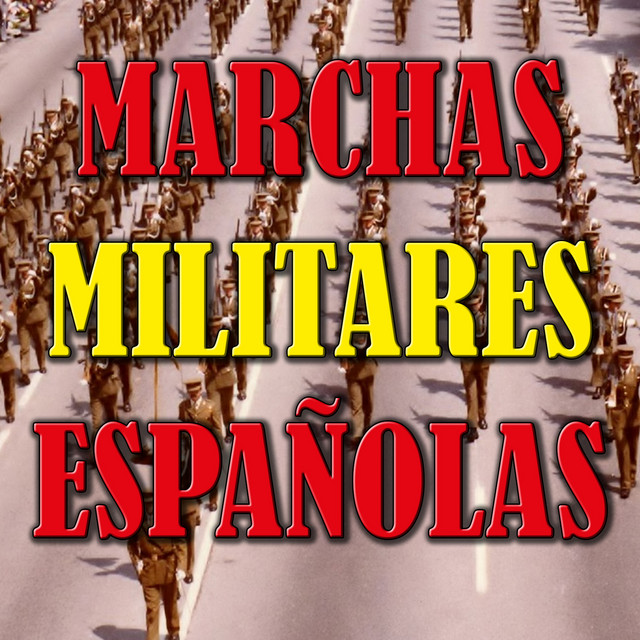
Cornetas y tambores enjoys particular resonance in Spain and throughout Latin America, with strong traditions in countries like Mexico, Colombia, and various Andean and Caribbean regions. In many communities, these ensembles accompany Holy Week processions, urban fiestas, patron saint days, and school or municipal celebrations. While they retain a strong devotional and ceremonial function, many groups also explore secular or contemporary repertoires, blending traditional marches with brass-band arrangements or even cross-genre experiments. The genre’s popularity is most visible in towns and neighborhoods where long-standing confraternities sustain youth bands, passing the tradition from generation to generation.
Ambassadors and notable practitioners
In this tradition, the ambassadors are less about famous soloists and more about living ensembles—the community bands and confraternities that keep the music alive year after year. Longstanding brass-and-drum groups tied to churches, town halls, and cultural associations act as custodians of repertoire, technique, and performance etiquette. In recent years, several ensembles have expanded their reach by recording on local labels or performing at regional festivals, bringing the characteristic corneta y tambor sound to new listeners while preserving its ceremonial core. For enthusiasts, these groups offer a window into a musical world where aging elder musicians transmit craft to younger players in a shared cultural ceremony.
Listening and discovery
For those curious to explore, seek out traditional corneta y tambor performances from diverse locales and note how each community personalizes the timbre, tempo, and ceremonial mood. You’ll hear lead cornets delivering bright melodies under a driving drum section, punctuated by interjections from percussion and occasional exclamations or calls that punctuate the parade. Contemporary recordings often sit at the crossroads of tradition and modern brass-band energy, making the genre a compelling entry point for brass enthusiasts and those fascinated by street and ritual music.
If you’re a music enthusiast, cornetas y tambores offers a vivid example of how a simple combination of horn and drum, tuned by place and purpose, can become a powerful, living tradition.
Origins and birth
The sound sits at the intersection of military bands, church processions, and local folk marching ensembles that emerged in Iberian-influenced communities from the 18th century onward. As colonial cities and Catholic brotherhoods expanded their ceremonial calendars, disciplined brass lines and drum corps became the sonic backbone of public devotion, civic pride, and seasonal celebration. Over time, these groups settled into regional identities, adopting distinctive uniforms, repertoire, and marching styles. Though the exact lineage is diverse by country and town, the core concept—a leading cornet line driving a drum-driven rhythm section—remained remarkably consistent.
Sound, instrumentation, and performance practice
A typical corneta y tambor ensemble centers on a bright, penetrating horn voice—cornets or bugle-like brass—often playing catchy fanfares, marches, and melodic motifs that cut through the crowd. The drums provide the heartbeat: snare drums with crisp accents, bass drums for weight and drive, and sometimes cymbals or other percussion for color. The result is a sound that can feel both ceremonial and urgent: ceremonial in its dignified phrasing and ritual cadence, urgent in its marching tempo and call-and-response dynamics. The ensembles are designed for outdoor acoustic spaces, where the horns’ brightness and the drums’ punch carry clearly over crowds and weather, making the music instantly recognizable in parades and festivals.
Geography and popularity
Cornetas y tambores enjoys particular resonance in Spain and throughout Latin America, with strong traditions in countries like Mexico, Colombia, and various Andean and Caribbean regions. In many communities, these ensembles accompany Holy Week processions, urban fiestas, patron saint days, and school or municipal celebrations. While they retain a strong devotional and ceremonial function, many groups also explore secular or contemporary repertoires, blending traditional marches with brass-band arrangements or even cross-genre experiments. The genre’s popularity is most visible in towns and neighborhoods where long-standing confraternities sustain youth bands, passing the tradition from generation to generation.
Ambassadors and notable practitioners
In this tradition, the ambassadors are less about famous soloists and more about living ensembles—the community bands and confraternities that keep the music alive year after year. Longstanding brass-and-drum groups tied to churches, town halls, and cultural associations act as custodians of repertoire, technique, and performance etiquette. In recent years, several ensembles have expanded their reach by recording on local labels or performing at regional festivals, bringing the characteristic corneta y tambor sound to new listeners while preserving its ceremonial core. For enthusiasts, these groups offer a window into a musical world where aging elder musicians transmit craft to younger players in a shared cultural ceremony.
Listening and discovery
For those curious to explore, seek out traditional corneta y tambor performances from diverse locales and note how each community personalizes the timbre, tempo, and ceremonial mood. You’ll hear lead cornets delivering bright melodies under a driving drum section, punctuated by interjections from percussion and occasional exclamations or calls that punctuate the parade. Contemporary recordings often sit at the crossroads of tradition and modern brass-band energy, making the genre a compelling entry point for brass enthusiasts and those fascinated by street and ritual music.
If you’re a music enthusiast, cornetas y tambores offers a vivid example of how a simple combination of horn and drum, tuned by place and purpose, can become a powerful, living tradition.