Genre
country acústico
Top Country acústico Artists
Showing 10 of 10 artists


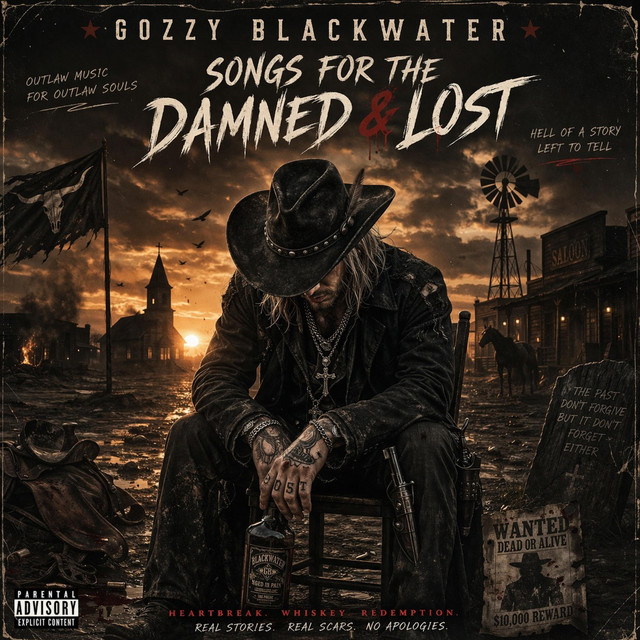



About Country acústico
Country acústico is the intimate, storytelling side of country music. It thrives on the warmth of acoustic guitars, mandolins, fiddles, upright bass, and close, unpolished vocal delivery. Think songs that feel like a living room performance, where the lyric takes center stage and the arrangement serves the singer’s voice. It’s less about big electric solos and more about mood, honesty, and the craft of a well-told tale.
Origin and birth
Country music has roots in the rural South and Appalachian folk, taking shape in the 1920s through string-band tunes, hillbilly songs, and gospel-inflected ballads. The “acoustic” sensibility grew from that tradition as artists stripped back electric polish to focus on voice and guitar. In the mid-20th century, classic country stars—Hank Williams and the early country-gospel lexicon—built the acoustic-based vocabulary that still informs the genre. The dramatic shift toward a more image-driven Nashville sound brought electric polish, but the acoustic lineage never disappeared. The modern flag bearer of country acústico emerges when artists embrace a lean, folk-leaning language that sits comfortably alongside Americana and folk-rock.
What defines its sound
- Instrumentation is predominantly acoustic: guitar (often flatpicked or fingerpicked), mandolin, fiddle, dobro, banjo, and upright bass. Percussion is understated or even absent in many tracks, favoring a natural room sound.
- Songwriting and storytelling anchor the music: personal narratives, small-town scenes, memory, heartbreak, and everyday resilience. The best records in this vein are rarely about showy riffs; they reveal character through humility and detail.
- Production leans warm and unvarnished: mic-ed rooms, hushed dynamics, and live-feel takes that preserve bite and breathing room for the singer’s phrasing.
- It overlaps with folk, bluegrass, and Americana, so you’ll hear cross-pollination with traditional tunes, fingerstyle guitar, and melodic simplicity that foregrounds the lyric.
Notable ambassadors and touchstones
- Hank Williams and Johnny Cash anchor the traditional acoustic country spirit, with Cash's MTV Unplugged (1994) a watershed moment for country in an intimate, acoustic disguise.
- Willie Nelson’s spare, road-tested guitar work and singer-songwriter sensibility have defined a humane, stripped-down country ethos.
- Emmylou Harris and Gillian Welch (with Dave Rawlings) exemplify the modern, acoustic-leaning Americana strand—rich vocal harmonies, circular guitar figures, and a reverence for folk-rooted storytelling.
- Bob Dylan’s Nashville Skyline era and later collaborations fused country songcraft with an acoustic, literate approach that widened the genre’s audience.
- Contemporary torchbearers include Brandi Carlile and a newer wave of singer-songwriters who lean into intimate arrangements and confessional lyrics, keeping the acoustic ethos alive in a pop-tinged market.
Where it’s popular
Country acústico is most at home in the United States, where the country-music tradition is strongest, but its appeal is global. Canada, the United Kingdom, Australia, and much of Europe maintain robust scenes of acoustic-country and Americana-inspired artists. Latin markets, Spain, Portugal, and parts of Latin America also embrace the warmth of acoustic storytelling, sometimes reinterpreting it through local folk and singer-songwriter aesthetics.
In short, country acústico honors the craft of lyric and voice, delivering the most direct emotional punch through acoustic texture. It invites listeners to lean in, listen closely, and hear the story told in real-time by voices and guitars that feel like old friends.
Origin and birth
Country music has roots in the rural South and Appalachian folk, taking shape in the 1920s through string-band tunes, hillbilly songs, and gospel-inflected ballads. The “acoustic” sensibility grew from that tradition as artists stripped back electric polish to focus on voice and guitar. In the mid-20th century, classic country stars—Hank Williams and the early country-gospel lexicon—built the acoustic-based vocabulary that still informs the genre. The dramatic shift toward a more image-driven Nashville sound brought electric polish, but the acoustic lineage never disappeared. The modern flag bearer of country acústico emerges when artists embrace a lean, folk-leaning language that sits comfortably alongside Americana and folk-rock.
What defines its sound
- Instrumentation is predominantly acoustic: guitar (often flatpicked or fingerpicked), mandolin, fiddle, dobro, banjo, and upright bass. Percussion is understated or even absent in many tracks, favoring a natural room sound.
- Songwriting and storytelling anchor the music: personal narratives, small-town scenes, memory, heartbreak, and everyday resilience. The best records in this vein are rarely about showy riffs; they reveal character through humility and detail.
- Production leans warm and unvarnished: mic-ed rooms, hushed dynamics, and live-feel takes that preserve bite and breathing room for the singer’s phrasing.
- It overlaps with folk, bluegrass, and Americana, so you’ll hear cross-pollination with traditional tunes, fingerstyle guitar, and melodic simplicity that foregrounds the lyric.
Notable ambassadors and touchstones
- Hank Williams and Johnny Cash anchor the traditional acoustic country spirit, with Cash's MTV Unplugged (1994) a watershed moment for country in an intimate, acoustic disguise.
- Willie Nelson’s spare, road-tested guitar work and singer-songwriter sensibility have defined a humane, stripped-down country ethos.
- Emmylou Harris and Gillian Welch (with Dave Rawlings) exemplify the modern, acoustic-leaning Americana strand—rich vocal harmonies, circular guitar figures, and a reverence for folk-rooted storytelling.
- Bob Dylan’s Nashville Skyline era and later collaborations fused country songcraft with an acoustic, literate approach that widened the genre’s audience.
- Contemporary torchbearers include Brandi Carlile and a newer wave of singer-songwriters who lean into intimate arrangements and confessional lyrics, keeping the acoustic ethos alive in a pop-tinged market.
Where it’s popular
Country acústico is most at home in the United States, where the country-music tradition is strongest, but its appeal is global. Canada, the United Kingdom, Australia, and much of Europe maintain robust scenes of acoustic-country and Americana-inspired artists. Latin markets, Spain, Portugal, and parts of Latin America also embrace the warmth of acoustic storytelling, sometimes reinterpreting it through local folk and singer-songwriter aesthetics.
In short, country acústico honors the craft of lyric and voice, delivering the most direct emotional punch through acoustic texture. It invites listeners to lean in, listen closely, and hear the story told in real-time by voices and guitars that feel like old friends.