Genre
country christian
Top Country christian Artists
Showing 25 of 57 artists











About Country christian
Country Christian, often labeled country gospel or Christian country, is a fusion of traditional country instrumentation—acoustic guitar, fiddle, pedal steel, and banjo—with Christian lyricism that ranges from hymn‑like ballads to modern faith‑filled anthems. It treats spiritual themes as central storytelling, often reflecting rural life, redemption, and hopeful faith, while preserving the tell‑in‑your‑face, narrative immediacy that has kept country listeners engaged for decades.
Its birth lies in the rural American South and Appalachia during the 1920s and 1930s, when gospel singing, church hymnody, and hillbilly string bands began to travel together on radio, at rural churches, and on the nascent Grand Ole Opry circuit. The Carter Family and Jimmie Rodgers were among the first to weave sacred material into commercial recordings, helping to anchor sacred stories in the country format. Hank Williams took the crossing even further, recording gospel-tinged tunes alongside his secular hits, and setting a template for the serious, heartfelt faith lyric that would dominate much of the genre.
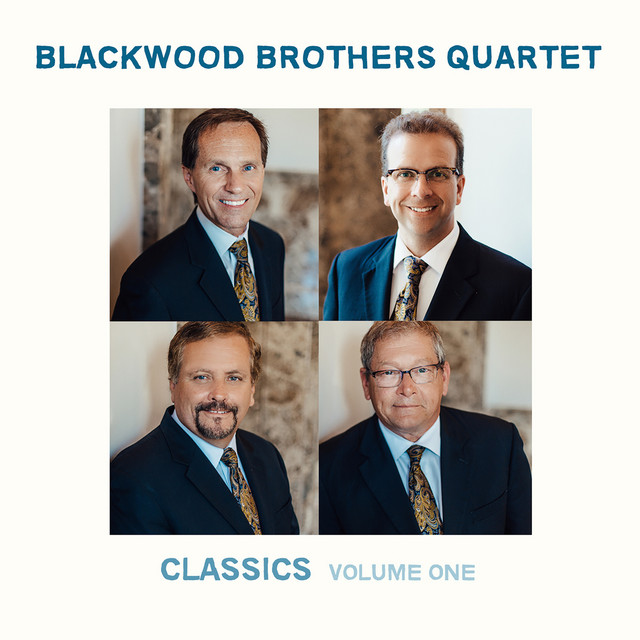
From the 1940s through the 1960s, country gospel matured through tight vocal quartets and solo voices that could ride rugged country grooves while delivering messages of grace. The Louvin Brothers, the Stanley Brothers, the Speer Family, and the Blackwood Brothers became ambassadors of a sound that fused elegant harmony with devotional content. The genre also fed into bluegrass and southern gospel, expanding the listening map for country fans who craved spiritual storytelling that felt authentic and locally rooted.
In the late 20th century, a more contemporary branch emerged: country artists who consciously folded Christian faith into polished, radio‑friendly songs. Randy Travis helped popularize a neo-traditional country approach that did not shy away from gospel themes, while Amy Grant bridged Christian pop with country textures to widen the audience. The Oak Ridge Boys, a multi‑decade quartet, carried faith‑oriented material into major arenas, blending gospel fervor with country‑tinged swagger. Johnny Cash became perhaps the genre’s most enduring ambassador, planting faith‑centered material into mainstream country with stark, generous storytelling and a willingness to address sin, redemption, and grace in stark, memorable terms.
Geographically, country Christian remains strongest in the United States, especially in the Bible Belt, but it also has fervent followings in Canada, the United Kingdom, Australia, and parts of continental Europe where country and gospel communities overlap. Festivals, radio programs, and streaming playlists dedicated to country gospel keep the tradition alive, even as artists experiment with cross‑genre collaborations.
For music enthusiasts, country Christian offers both the reverent warmth of hymnody and the raw honesty of country confession, making it one of the most human bridges between country roots and faith. Today, the genre sits at the crossroads of faith and storytelling, inviting listeners to reflect on grace while enjoying sturdy melodies. It thrives in church concerts, gospel radio programs, and regional country‑gospel festivals around the U.S. and Europe. Fans discover a genre that invites contemplation as much as it invites sing‑along, enduring as a clear voice within country music’s vast tapestry.
Its birth lies in the rural American South and Appalachia during the 1920s and 1930s, when gospel singing, church hymnody, and hillbilly string bands began to travel together on radio, at rural churches, and on the nascent Grand Ole Opry circuit. The Carter Family and Jimmie Rodgers were among the first to weave sacred material into commercial recordings, helping to anchor sacred stories in the country format. Hank Williams took the crossing even further, recording gospel-tinged tunes alongside his secular hits, and setting a template for the serious, heartfelt faith lyric that would dominate much of the genre.
From the 1940s through the 1960s, country gospel matured through tight vocal quartets and solo voices that could ride rugged country grooves while delivering messages of grace. The Louvin Brothers, the Stanley Brothers, the Speer Family, and the Blackwood Brothers became ambassadors of a sound that fused elegant harmony with devotional content. The genre also fed into bluegrass and southern gospel, expanding the listening map for country fans who craved spiritual storytelling that felt authentic and locally rooted.
In the late 20th century, a more contemporary branch emerged: country artists who consciously folded Christian faith into polished, radio‑friendly songs. Randy Travis helped popularize a neo-traditional country approach that did not shy away from gospel themes, while Amy Grant bridged Christian pop with country textures to widen the audience. The Oak Ridge Boys, a multi‑decade quartet, carried faith‑oriented material into major arenas, blending gospel fervor with country‑tinged swagger. Johnny Cash became perhaps the genre’s most enduring ambassador, planting faith‑centered material into mainstream country with stark, generous storytelling and a willingness to address sin, redemption, and grace in stark, memorable terms.
Geographically, country Christian remains strongest in the United States, especially in the Bible Belt, but it also has fervent followings in Canada, the United Kingdom, Australia, and parts of continental Europe where country and gospel communities overlap. Festivals, radio programs, and streaming playlists dedicated to country gospel keep the tradition alive, even as artists experiment with cross‑genre collaborations.
For music enthusiasts, country Christian offers both the reverent warmth of hymnody and the raw honesty of country confession, making it one of the most human bridges between country roots and faith. Today, the genre sits at the crossroads of faith and storytelling, inviting listeners to reflect on grace while enjoying sturdy melodies. It thrives in church concerts, gospel radio programs, and regional country‑gospel festivals around the U.S. and Europe. Fans discover a genre that invites contemplation as much as it invites sing‑along, enduring as a clear voice within country music’s vast tapestry.