Genre
cowpunk
Top Cowpunk Artists
Showing 7 of 7 artists




About Cowpunk
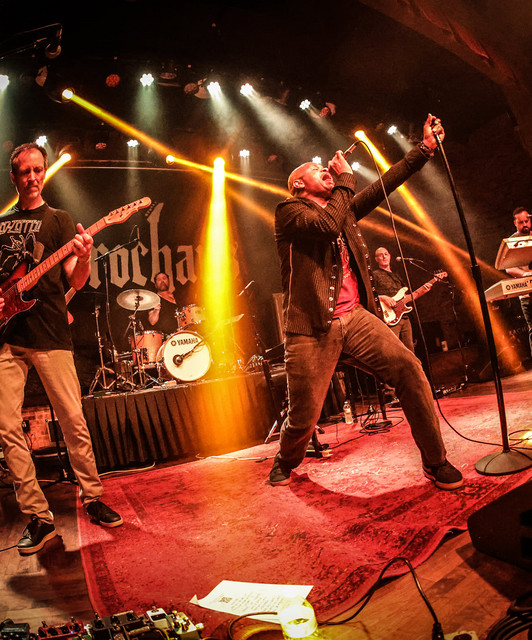
Cowpunk is a brash fusion of rebel punk energy with bite-sized country and Western roots, a genre that blasts open the border between roadhouse twang and alleyway aggression. It’s not simply punk with a pedal steel; it’s a deliberate cross-pollination that marries fast tempos, snarled vocals, and DIY immediacy with fiddle lines, telecaster twang, and honky-tonk attitude. The result is songs that feel like a late-night highway sprint: rebellious, improvisational, and unmistakably American in its appetite for storytelling and rough edges.
Origins and birth of the sound
Cowpunk crystallized in the late 1970s and early 1980s, largely on the West Coast and in the Southwest, where punk’s stripped-down immediacy met country and roots scenes. Critics and fans alike used the term to describe bands that yoked punk’s speed and harshness to country’s melodies, idioms, and instrumentation. It grew out of the Los Angeles scene but also drew from Texas and Arizona’s far-flung country-punk hybrids. The movement wasn’t a single scene with a single manifesto; it was a loose constellation of bands experimenting with what happened when a barroom ballad could be delivered with punk’s adrenaline.
Ambassadors and essential acts
Several groups became touchstones for cowpunk’s ethos. X, from Los Angeles, fused punk’s kinetic attack with mariachi-tinged textures and literate, noirish lyricism, helping to define the counter-culture’s louder, more literate edge in the early 1980s. The Blasters, another LA-driven force, paired rockabilly swagger with punk’s urgency, delivering blunt, roadhouse-driven sensibilities that felt both nostalgic and dangerous. The Gun Club and Meat Puppets expanded the palette further—The Gun Club brought a darker, psych-country slant, while the Meat Puppets mixed punk with country-folk melodies and desert ambience, paving ways for future Americana-alt-country hybrids. Rank and File, blending punk and country-rock in the early 1980s, helped demonstrate how the two traditions could coexist within a song’s structure rather than in a single scene. Across the border, Texas and Arizona scenes contributed their own strident, root-minded urgencies to the mix.
What the music sounds like
In practice, cowpunk runs a spectrum. You’ll hear thrashy guitars and booming drum kits, but with pedal steel, fiddle, or acoustic touches that bend the rhythm and color. Vocals often wear a weathered, road-worn intonation, trading pride and defiance for sly humor and street-level storytelling. Lyrically, cowpunk draws from outlaw country’s myths, barroom conversations, and down-to-earth grit, all filtered through punk’s skeptical, anti-establishment lens. The arrangements can be lean and fast or feature sudden shifts—moments of melancholy followed by a surge of distortion—capturing the tension between vulnerability and bravado that characterizes much of Americana’s underground.
Geography and legacy
Cowpunk found its strongest footing in the United States, especially on the West Coast and in Texas, with European and Australian fans and bands gradually incorporating its punchy attitude and hybrid instrumentation. Its legacy is visible in subsequent movements that blurred genre lines: the broader alt-country and Americana movements, and later, bands that revived roots-rock with a punk edge. In hindsight, cowpunk is less a single style than a kinetic bridge—proof that country’s soul and punk’s defiance can coexist, collide, and propel each other forward. For contemporary enthusiasts, it’s a reminder that the road between the barn and the barricade isn’t just possible—it can be exhilarating.
Origins and birth of the sound
Cowpunk crystallized in the late 1970s and early 1980s, largely on the West Coast and in the Southwest, where punk’s stripped-down immediacy met country and roots scenes. Critics and fans alike used the term to describe bands that yoked punk’s speed and harshness to country’s melodies, idioms, and instrumentation. It grew out of the Los Angeles scene but also drew from Texas and Arizona’s far-flung country-punk hybrids. The movement wasn’t a single scene with a single manifesto; it was a loose constellation of bands experimenting with what happened when a barroom ballad could be delivered with punk’s adrenaline.
Ambassadors and essential acts
Several groups became touchstones for cowpunk’s ethos. X, from Los Angeles, fused punk’s kinetic attack with mariachi-tinged textures and literate, noirish lyricism, helping to define the counter-culture’s louder, more literate edge in the early 1980s. The Blasters, another LA-driven force, paired rockabilly swagger with punk’s urgency, delivering blunt, roadhouse-driven sensibilities that felt both nostalgic and dangerous. The Gun Club and Meat Puppets expanded the palette further—The Gun Club brought a darker, psych-country slant, while the Meat Puppets mixed punk with country-folk melodies and desert ambience, paving ways for future Americana-alt-country hybrids. Rank and File, blending punk and country-rock in the early 1980s, helped demonstrate how the two traditions could coexist within a song’s structure rather than in a single scene. Across the border, Texas and Arizona scenes contributed their own strident, root-minded urgencies to the mix.
What the music sounds like
In practice, cowpunk runs a spectrum. You’ll hear thrashy guitars and booming drum kits, but with pedal steel, fiddle, or acoustic touches that bend the rhythm and color. Vocals often wear a weathered, road-worn intonation, trading pride and defiance for sly humor and street-level storytelling. Lyrically, cowpunk draws from outlaw country’s myths, barroom conversations, and down-to-earth grit, all filtered through punk’s skeptical, anti-establishment lens. The arrangements can be lean and fast or feature sudden shifts—moments of melancholy followed by a surge of distortion—capturing the tension between vulnerability and bravado that characterizes much of Americana’s underground.
Geography and legacy
Cowpunk found its strongest footing in the United States, especially on the West Coast and in Texas, with European and Australian fans and bands gradually incorporating its punchy attitude and hybrid instrumentation. Its legacy is visible in subsequent movements that blurred genre lines: the broader alt-country and Americana movements, and later, bands that revived roots-rock with a punk edge. In hindsight, cowpunk is less a single style than a kinetic bridge—proof that country’s soul and punk’s defiance can coexist, collide, and propel each other forward. For contemporary enthusiasts, it’s a reminder that the road between the barn and the barricade isn’t just possible—it can be exhilarating.