Genre
croatian rock
Top Croatian rock Artists
Showing 25 of 26 artists







About Croatian rock
Croatian rock is not a single sound but a map of a nation’s listening habits, carved across the Adriatic and the broader ex-Yugoslav space. It grew from the same late-1960s rock rebellion that crossed into Zagreb, Split, and beyond, soon developing a distinctly Croatian voice: melodic and literate, capable of punchy riffs and intimate ballads, rooted in the local language and urban experience. The first decades saw a dialogue with British and American rock, blended with homegrown sensibilities. By the early 1980s, as Yugoslavia opened up culturally, a vibrant Croatian scene coalesced around the Novi val, or New Wave, moving beyond mere imitation to a sharper, more experimental, and more narrative form.
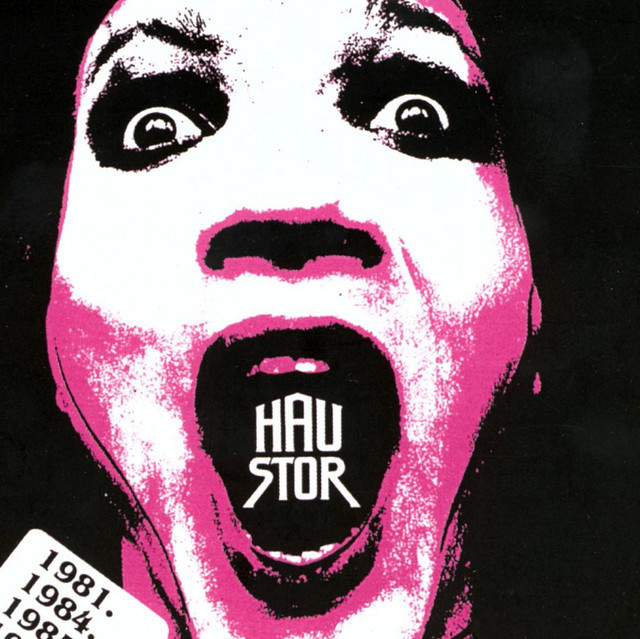
Among the genre’s most enduring ambassadors are bands and artists who defined the Croatian rock identity. Prljavo kazalište, formed in Zagreb in the late 1970s, burst onto the scene with stadium-sized choruses and social observation, turning rock into a common language for a generation. Parni valjak, also born in Zagreb, became a blueprint for melodic rock that could carry emotional depth and reach a wide audience through memorable hooks. Azra, fronted by Branimir Štulić, stands as perhaps the most emblematic bridge between the broader Yugoslav and Croatian scenes: lyrically dense, poetically charged, and unafraid of political and social commentary. Haustor brought a cosmopolitan, art-rock sensibility to the table, mixing post-punk with reggae-influenced rhythms and a certain urban cool that felt both local and international. Film, another Zagreb-originating act, anchored the era with literate songwriting and adventurous arrangements, helping to widen what Croatian rock could sound like.
The 1990s and 2000s saw the scene broaden further, absorbing punk energy, pop sensibilities, and alternative textures while preserving a distinctive Croatian voice. The era produced acts that carried the tradition into new territories, such as Hladno pivo with their fast, direct punk-leaning rock, and Pips, Chips & Videoclips, who blended catchy melodies with sharper social commentary. Festivals like INmusic in Zagreb and regional showcases have kept the scene lively, inviting both legacy acts and new voices to share stages and audiences.
In terms of where it resonates, Croatian rock remains strongest at home in Croatia, of course, but its reach extends across the former Yugoslavia. It has substantial followings in Bosnia and Herzegovina, Serbia, and Slovenia, where language, shared history, and cultural exchanges nurture a dedicated fan base. The Croatian diaspora—people who migrated to Germany, Austria, Australia, the United States and beyond—also keeps the genre visible through clubs, radio programs, and online streams. Today’s Croatian rock is thus both a continuation of a storied lineage and a living conversation with global rock, balancing homegrown storytelling with international influences and continuously inviting new generations to participate.
Among the genre’s most enduring ambassadors are bands and artists who defined the Croatian rock identity. Prljavo kazalište, formed in Zagreb in the late 1970s, burst onto the scene with stadium-sized choruses and social observation, turning rock into a common language for a generation. Parni valjak, also born in Zagreb, became a blueprint for melodic rock that could carry emotional depth and reach a wide audience through memorable hooks. Azra, fronted by Branimir Štulić, stands as perhaps the most emblematic bridge between the broader Yugoslav and Croatian scenes: lyrically dense, poetically charged, and unafraid of political and social commentary. Haustor brought a cosmopolitan, art-rock sensibility to the table, mixing post-punk with reggae-influenced rhythms and a certain urban cool that felt both local and international. Film, another Zagreb-originating act, anchored the era with literate songwriting and adventurous arrangements, helping to widen what Croatian rock could sound like.
The 1990s and 2000s saw the scene broaden further, absorbing punk energy, pop sensibilities, and alternative textures while preserving a distinctive Croatian voice. The era produced acts that carried the tradition into new territories, such as Hladno pivo with their fast, direct punk-leaning rock, and Pips, Chips & Videoclips, who blended catchy melodies with sharper social commentary. Festivals like INmusic in Zagreb and regional showcases have kept the scene lively, inviting both legacy acts and new voices to share stages and audiences.
In terms of where it resonates, Croatian rock remains strongest at home in Croatia, of course, but its reach extends across the former Yugoslavia. It has substantial followings in Bosnia and Herzegovina, Serbia, and Slovenia, where language, shared history, and cultural exchanges nurture a dedicated fan base. The Croatian diaspora—people who migrated to Germany, Austria, Australia, the United States and beyond—also keeps the genre visible through clubs, radio programs, and online streams. Today’s Croatian rock is thus both a continuation of a storied lineage and a living conversation with global rock, balancing homegrown storytelling with international influences and continuously inviting new generations to participate.