Genre
cuatro puertorriqueno
Top Cuatro puertorriqueno Artists
Showing 7 of 7 artists
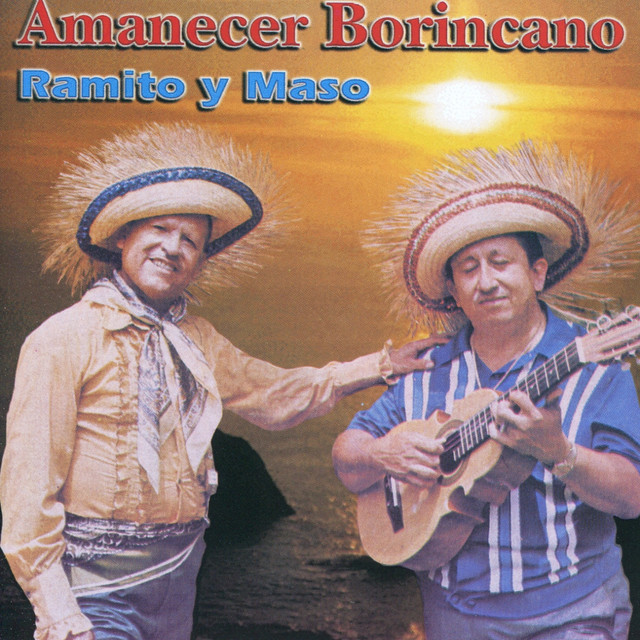


About Cuatro puertorriqueno
Cuatro Puertorriqueño is not just an instrument, but a living sonic identity of Puerto Rico. Centerpiece of traditional song and dance, its bright, plucked voice defines a family of styles that range from intimate serenades to exuberant fiesta music. For enthusiasts, the genre is a doorway into the island’s folk roots, urban creativity, and the ongoing dialogue between past and present.
Origins and birth of the tradition
The Puerto Rican cuatro emerged in the late 19th and early 20th centuries as a refined evolution of stringed instruments brought to the island by European guitar families, integrated with African and Caribbean rhythms that flavored island music. By the 1900s and into the mid‑century, the cuatro had become a fixture in rural rondallas, parrandas, and urban criollo ensembles. Its development paralleled the rise of Puerto Rican genres such as seis, danza, and later plena, to which the cuatro contributed a distinctive melodic and harmonic backbone. Over time, the cuatro learned to speak with both crisp single-note lines and lush, cascading arpeggios, making it versatile enough to lead a melody or provide a sparkling accompaniment.
Core repertoire and playing approach
At the heart of the cuatro repertoire lies the seis, a dance-song form with call-and-response vocals and a characteristic swung rhythm. In seis, the cuatro often carries the melodic line, anchors the harmony, and punctuates the groove with deft, intricate picking and strumming. Its bright timbre—whether plucked with thumb and fingers or executed with a plectrum—cuts through percussion-heavy arrangements, yet it can soften to accompany intimate vocal solos. Instrument builders and players also explore variations within the cuatro family, from more traditional, woodsy tones to amplified and concert‑electric setups for stage performance and fusion projects. This adaptability makes the cuatro a pivotal voice in both folkloric concerts and modern Latin jazz, creating a bridge between Puerto Rico’s past and its contemporary sounds.
Ambassadors and key figures
One of the most widely recognized ambassadors of the Puerto Rican cuatro is Yomo Toro, a virtuoso who helped bring the instrument’s elegance and vitality to audiences in Puerto Rico and the United States. His performances and collaborations have become touchstones for anyone exploring the cuatro’s potential. Beyond solo virtuosos, ensembles and regional groups across Puerto Rico and the diaspora keep the tradition thriving, from intimate cabaret settings to larger festival stages, continually expanding the instrument’s reach and repertoire.
Geography and popularity
Cuatro puertorriqueño is most deeply rooted in Puerto Rico, where it remains a symbol of cultural pride and national identity. Its presence is strongly felt in Puerto Rican communities abroad, especially in the United States—New York, Florida, and other hubs with vibrant Caribbean diasporas—where younger players remix traditional forms with contemporary genres. It has also found appreciative audiences in the broader Latin music world and in world-mospel-folk circles that embrace Latin American string traditions and Afro-Caribbean rhythms.
Listening pointers for enthusiasts
If you’re new, seek recordings of seis songs featuring the cuatro to hear its defining role. For deeper context, explore live Puerto Rican folk performances, where the cuatro interacts with coro and percussion in a call-and-response energy. To the curious listener, the cuatro Puertorriqueño offers a sonic invitation: a handheld beacon of Puerto Rican identity, capable of both intimate storytelling and exuberant celebration.
Origins and birth of the tradition
The Puerto Rican cuatro emerged in the late 19th and early 20th centuries as a refined evolution of stringed instruments brought to the island by European guitar families, integrated with African and Caribbean rhythms that flavored island music. By the 1900s and into the mid‑century, the cuatro had become a fixture in rural rondallas, parrandas, and urban criollo ensembles. Its development paralleled the rise of Puerto Rican genres such as seis, danza, and later plena, to which the cuatro contributed a distinctive melodic and harmonic backbone. Over time, the cuatro learned to speak with both crisp single-note lines and lush, cascading arpeggios, making it versatile enough to lead a melody or provide a sparkling accompaniment.
Core repertoire and playing approach
At the heart of the cuatro repertoire lies the seis, a dance-song form with call-and-response vocals and a characteristic swung rhythm. In seis, the cuatro often carries the melodic line, anchors the harmony, and punctuates the groove with deft, intricate picking and strumming. Its bright timbre—whether plucked with thumb and fingers or executed with a plectrum—cuts through percussion-heavy arrangements, yet it can soften to accompany intimate vocal solos. Instrument builders and players also explore variations within the cuatro family, from more traditional, woodsy tones to amplified and concert‑electric setups for stage performance and fusion projects. This adaptability makes the cuatro a pivotal voice in both folkloric concerts and modern Latin jazz, creating a bridge between Puerto Rico’s past and its contemporary sounds.
Ambassadors and key figures
One of the most widely recognized ambassadors of the Puerto Rican cuatro is Yomo Toro, a virtuoso who helped bring the instrument’s elegance and vitality to audiences in Puerto Rico and the United States. His performances and collaborations have become touchstones for anyone exploring the cuatro’s potential. Beyond solo virtuosos, ensembles and regional groups across Puerto Rico and the diaspora keep the tradition thriving, from intimate cabaret settings to larger festival stages, continually expanding the instrument’s reach and repertoire.
Geography and popularity
Cuatro puertorriqueño is most deeply rooted in Puerto Rico, where it remains a symbol of cultural pride and national identity. Its presence is strongly felt in Puerto Rican communities abroad, especially in the United States—New York, Florida, and other hubs with vibrant Caribbean diasporas—where younger players remix traditional forms with contemporary genres. It has also found appreciative audiences in the broader Latin music world and in world-mospel-folk circles that embrace Latin American string traditions and Afro-Caribbean rhythms.
Listening pointers for enthusiasts
If you’re new, seek recordings of seis songs featuring the cuatro to hear its defining role. For deeper context, explore live Puerto Rican folk performances, where the cuatro interacts with coro and percussion in a call-and-response energy. To the curious listener, the cuatro Puertorriqueño offers a sonic invitation: a handheld beacon of Puerto Rican identity, capable of both intimate storytelling and exuberant celebration.