Genre
cuatro venezolano
Top Cuatro venezolano Artists
Showing 6 of 6 artists
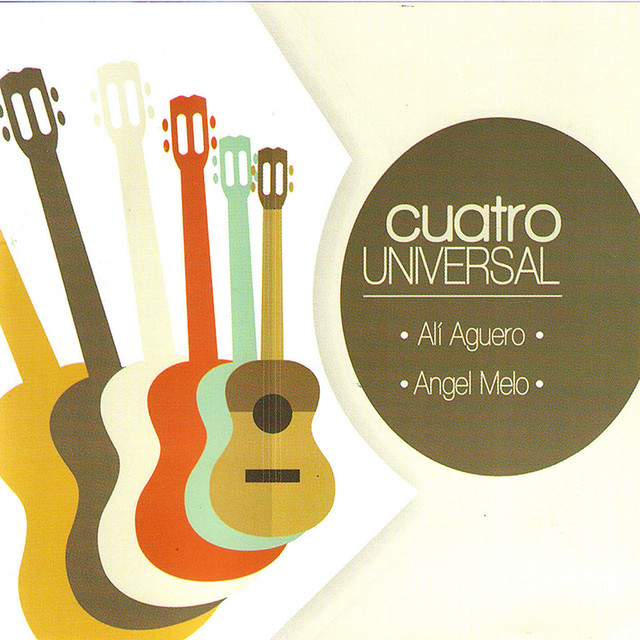


About Cuatro venezolano
Cuatro venezolano is both a musical instrument and a living tradition that centers the cuatro, a four-stringed guitar-like figure, in the heart of Venezuela’s folk soundscape. It is best understood as the voice of the Llanos—those vast plains that cradle the country’s mestizo, ranchero heritage—where it has long carried melodies, rhythms and stories from generation to generation. Though the instrument itself has antecedents in Iberian plucked-string traditions, the Venezuelan four-string cuatro reached a distinctive identity in the social circuits of rural Venezuela and the llanero culture that knit together storytelling, dance and communal gathering.
Origins and birth
The cuatro’s ascent in Venezuela is rooted in the postcolonial blending of Indigenous, African and Spanish musical practices. By the 18th and 19th centuries, musicians in the Llanos were shaping a repertoire that paired the instrument with the region’s emblematic song style, the joropo. The cuatro became the backbone of accompaniment and, increasingly, a lead voice in melodic lines. Over time, improvisation, call-and-response textures and virtuosic strumming developed, giving rise to a repertoire that could travel from quiet village patios to crowded fiestas. The genre known as cuatro venezolano grew out of these traditions, absorbing elements from folk canto, dance rubato and the plains’ own tempo of life.
Sound, form and social function
Cuatro venezolano tends to be bright, agile and intimate, with a percussive attack that propels quick strums and quick, lyrical passages. In many contexts, it works in small ensembles that include harp, maracas and voice, though the cuatro can also hold court as a solo instrument or lead voice. The typical repertoire blends intricate rasgueados, arpeggios and melodic lines that weave together with cantos—often improvisatory or regional laments and celebrations. Its rhythms sit at the heart of the joropo’s driving footwork, from brisk, danceable pasajes to more contemplative tonos. In performance, it is common to hear songs that celebrate the llano’s landscape, lovers, challenges and everyday heroism, all voiced through the instrument’s crisp, resonant timbre.
Cultural significance and reach
Cuatro venezolano is inseparable from community and identity in Venezuela. It anchors regional fiestas, family gatherings and traditional contests, and it remains a symbol of the nation’s rural roots even as musicians broaden the genre’s horizons. In recent decades, there has been a revival of folk crafts and a renewed interest in traditional cuatristas, songwriters and vocalists who keep the llanero spirit alive while inviting fusion with other world and contemporary genres. The instrument and its music have also found audiences abroad, carried by diasporic communities and world-music curious listeners alike.
Key artists and ambassadors
Among the most enduring ambassadors of the genre is Simón Díaz, a towering figure who popularized joropo and the cuatro through his recordings and storytelling. Díaz’s work helped translate the llano’s voice into a broader national consciousness, and his songs remain touchstones for anyone exploring the cuatro venezolano. Beyond Díaz, generations of cuatristas and folk singers—often celebrated in regional circuits and folk festivals—have kept the tradition flexible, allowing the instrument to converse with modern arrangements while preserving its core danceable and lyrical spirit. Today, the cuatro venezolano continues to thrive as a bridge between the old and the new, inviting listeners to hear Venezuela’s plains in every pluck and pulse.
Origins and birth
The cuatro’s ascent in Venezuela is rooted in the postcolonial blending of Indigenous, African and Spanish musical practices. By the 18th and 19th centuries, musicians in the Llanos were shaping a repertoire that paired the instrument with the region’s emblematic song style, the joropo. The cuatro became the backbone of accompaniment and, increasingly, a lead voice in melodic lines. Over time, improvisation, call-and-response textures and virtuosic strumming developed, giving rise to a repertoire that could travel from quiet village patios to crowded fiestas. The genre known as cuatro venezolano grew out of these traditions, absorbing elements from folk canto, dance rubato and the plains’ own tempo of life.
Sound, form and social function
Cuatro venezolano tends to be bright, agile and intimate, with a percussive attack that propels quick strums and quick, lyrical passages. In many contexts, it works in small ensembles that include harp, maracas and voice, though the cuatro can also hold court as a solo instrument or lead voice. The typical repertoire blends intricate rasgueados, arpeggios and melodic lines that weave together with cantos—often improvisatory or regional laments and celebrations. Its rhythms sit at the heart of the joropo’s driving footwork, from brisk, danceable pasajes to more contemplative tonos. In performance, it is common to hear songs that celebrate the llano’s landscape, lovers, challenges and everyday heroism, all voiced through the instrument’s crisp, resonant timbre.
Cultural significance and reach
Cuatro venezolano is inseparable from community and identity in Venezuela. It anchors regional fiestas, family gatherings and traditional contests, and it remains a symbol of the nation’s rural roots even as musicians broaden the genre’s horizons. In recent decades, there has been a revival of folk crafts and a renewed interest in traditional cuatristas, songwriters and vocalists who keep the llanero spirit alive while inviting fusion with other world and contemporary genres. The instrument and its music have also found audiences abroad, carried by diasporic communities and world-music curious listeners alike.
Key artists and ambassadors
Among the most enduring ambassadors of the genre is Simón Díaz, a towering figure who popularized joropo and the cuatro through his recordings and storytelling. Díaz’s work helped translate the llano’s voice into a broader national consciousness, and his songs remain touchstones for anyone exploring the cuatro venezolano. Beyond Díaz, generations of cuatristas and folk singers—often celebrated in regional circuits and folk festivals—have kept the tradition flexible, allowing the instrument to converse with modern arrangements while preserving its core danceable and lyrical spirit. Today, the cuatro venezolano continues to thrive as a bridge between the old and the new, inviting listeners to hear Venezuela’s plains in every pluck and pulse.