Genre
cubaton
Top Cubaton Artists
Showing 25 of 47 artists











About Cubaton
Cubaton is a Cuban-born mutation of reggaeton that blends the dembow-driven heartbeat of urban Latin music with the rhythmic vocabulary of Cuba—timba, son, salsa, guaguancó, and guaracha. It emerged from the late 2000s urban scene in Havana and the Cuban diaspora, where young producers and performers started layering digital reggaeton drums with folkloric percussion and streetwise lyricism. What distinguishes cubaton is not a fixed tempo or set of chords, but a sensibility: a dance-floor pulse that feels both modern and rooted in Cuban street culture, with lyrics that circle nightlife, automobiles, and social observation, wrapped in catchy chorus hooks.
Historically, cubaton coalesced around 2010–2012 as Cuban artists used the internet, YouTube clips, and fan communities to circulate music beyond state-controlled media. It spread through clubs in Havana, Varadero, and Santiago, then across the Cuban exile networks in Miami, Madrid, and beyond. Its appeal lies in how it translates reggaeton's universal urban energy into a homegrown vocabulary: the call-and-response chants, the clave-inspired syncopations, and the sly incorporation of timba or salsa cadences into verses and breakdowns.
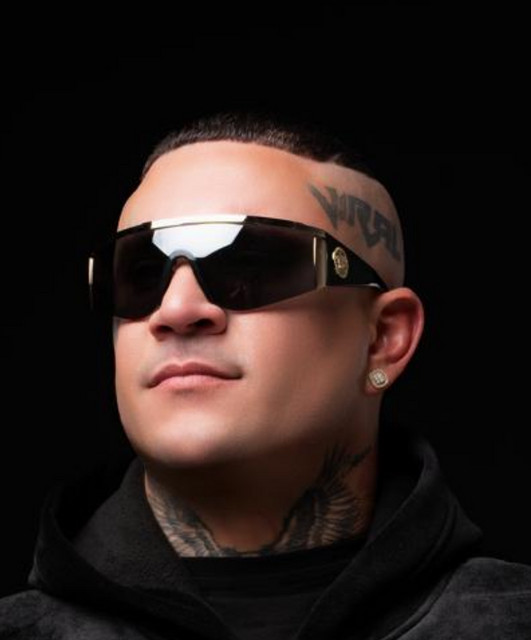
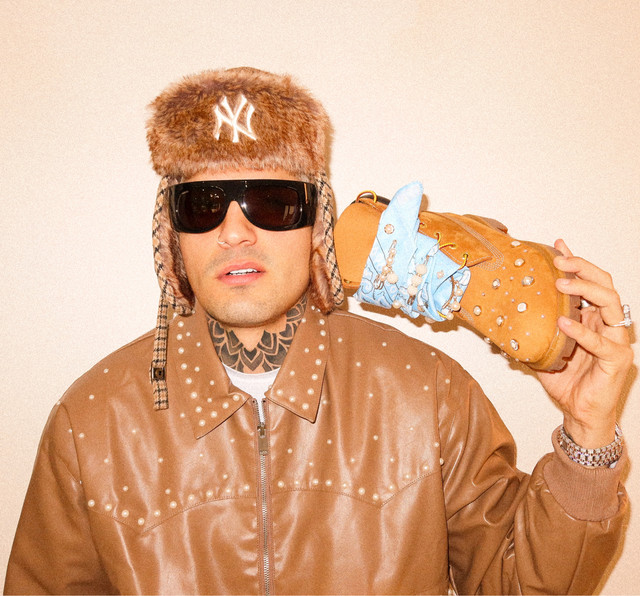
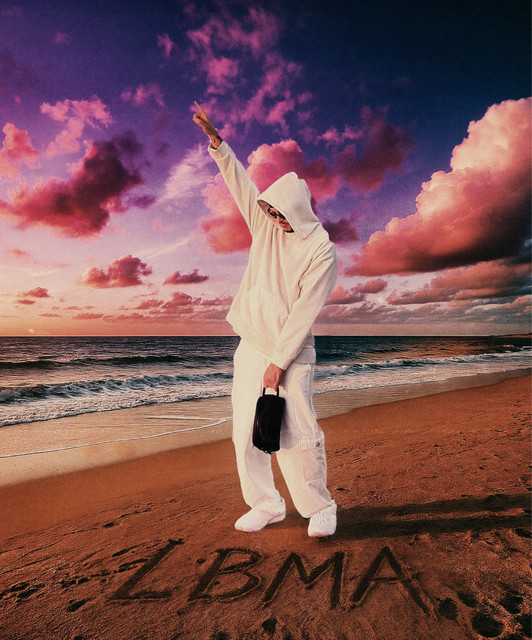
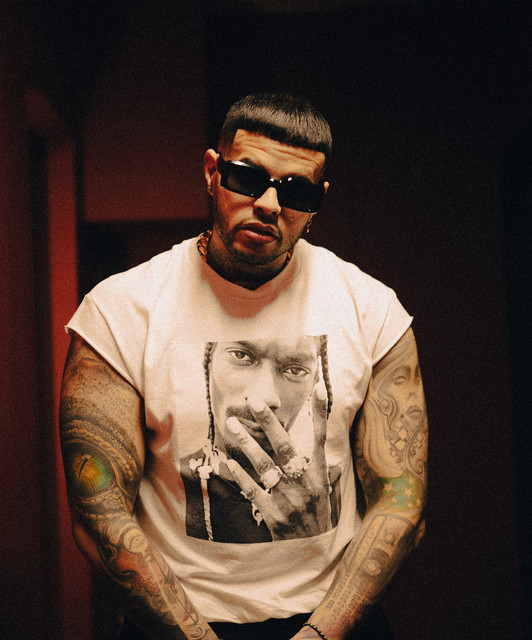
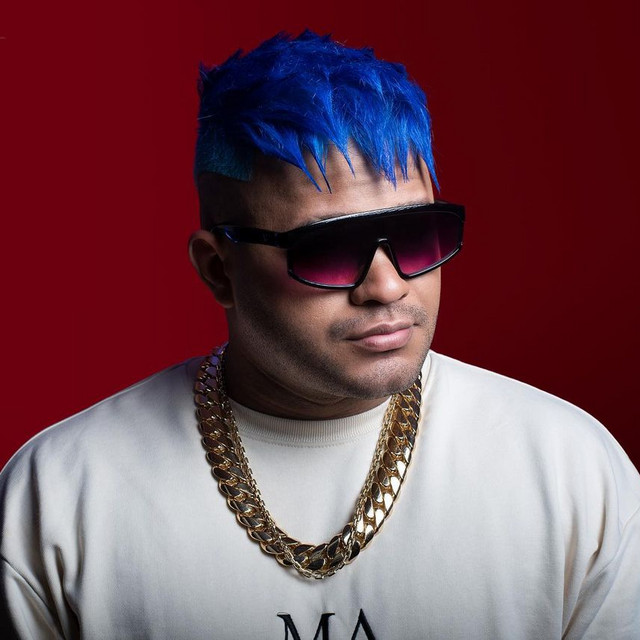
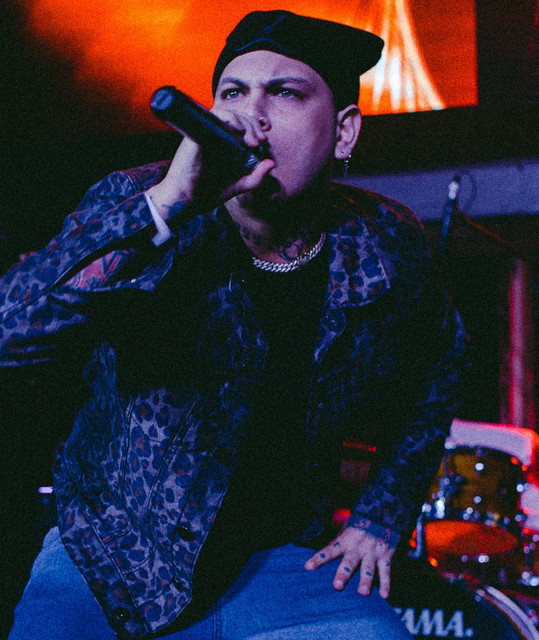
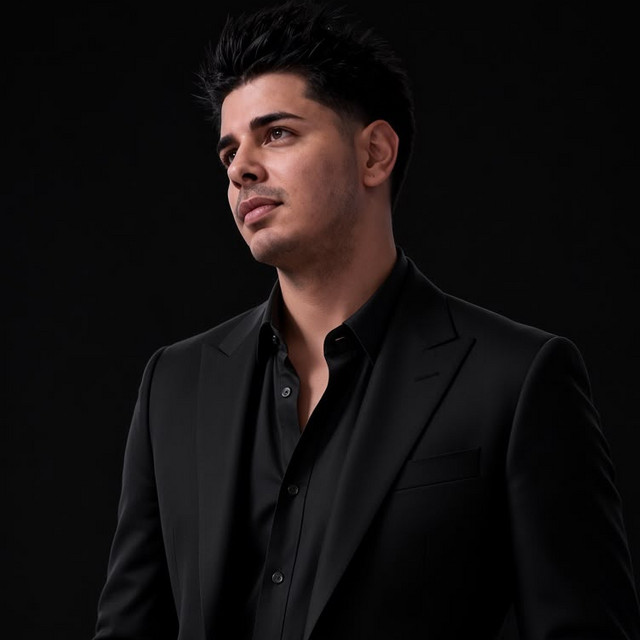
Among the most visible ambassadors are Yomil y El Dany, who brought a brash, party-ready streak to the sound; Maikel Delacalle, who fused melodic sensibilities with gritty street rap; and El Chacal, a veteran of the Cuban reggaeton scene who helped popularize tougher, club-friendly flows. Other notable names associated with cubaton—depending on who you ask—include Leoni, and a new generation of artists forging hybrids with trap, EDM, and dancehall. Collectively, these acts moved cubaton from a local curiosity to a cultural shorthand for a Cuban urban identity in flux.
In terms of geography, cubaton remains most strongly rooted in Cuba, but its footprint extends across the Spanish-speaking world. It has found enthusiastic audiences in Spain and Mexico, and it enjoys listening communities in Colombia and Venezuela where reggaeton has a large footprint. In the United States, Florida’s Cuban and Latinx communities—especially in Miami—have been important catalysts; the genre also travels through diaspora networks in Barcelona, Madrid, and other European hubs. Festivals, club nights, and online platforms have kept cubaton thriving even as producers blend it with trap, dancehall, and electronic dance music.
Musically, cubaton often sits at a crossroads: heavy, rolling bass lines, brisk dembow patterns, and crisp drum machine bursts give way to melodic lines sung or rapped in Cuban Spanish. Lyrics frequently foreground nightlife and street-smart storytelling, while the production embraces bright synths, horn stabs, and touches of traditional Cuban percussion. The result is a dance-forward sound that invites improvisation and collaboration, reflecting Cuba’s vibrant urban culture and its enduring link to the island’s street-level creativity. As with many urban genres, cubaton is in constant motion, absorbing new rhythms and forging cross-border connections that keep Cuban music outward-looking while distinctly local. Looking ahead, cubaton continues to evolve through collaborations with trap, EDM, and even jazz infusions, while retaining its core party-driven ethos. For enthusiasts, it offers a window into how Cuban street culture translates global rhythms into a distinctly local, irresistibly danceable language.
Historically, cubaton coalesced around 2010–2012 as Cuban artists used the internet, YouTube clips, and fan communities to circulate music beyond state-controlled media. It spread through clubs in Havana, Varadero, and Santiago, then across the Cuban exile networks in Miami, Madrid, and beyond. Its appeal lies in how it translates reggaeton's universal urban energy into a homegrown vocabulary: the call-and-response chants, the clave-inspired syncopations, and the sly incorporation of timba or salsa cadences into verses and breakdowns.
Among the most visible ambassadors are Yomil y El Dany, who brought a brash, party-ready streak to the sound; Maikel Delacalle, who fused melodic sensibilities with gritty street rap; and El Chacal, a veteran of the Cuban reggaeton scene who helped popularize tougher, club-friendly flows. Other notable names associated with cubaton—depending on who you ask—include Leoni, and a new generation of artists forging hybrids with trap, EDM, and dancehall. Collectively, these acts moved cubaton from a local curiosity to a cultural shorthand for a Cuban urban identity in flux.
In terms of geography, cubaton remains most strongly rooted in Cuba, but its footprint extends across the Spanish-speaking world. It has found enthusiastic audiences in Spain and Mexico, and it enjoys listening communities in Colombia and Venezuela where reggaeton has a large footprint. In the United States, Florida’s Cuban and Latinx communities—especially in Miami—have been important catalysts; the genre also travels through diaspora networks in Barcelona, Madrid, and other European hubs. Festivals, club nights, and online platforms have kept cubaton thriving even as producers blend it with trap, dancehall, and electronic dance music.
Musically, cubaton often sits at a crossroads: heavy, rolling bass lines, brisk dembow patterns, and crisp drum machine bursts give way to melodic lines sung or rapped in Cuban Spanish. Lyrics frequently foreground nightlife and street-smart storytelling, while the production embraces bright synths, horn stabs, and touches of traditional Cuban percussion. The result is a dance-forward sound that invites improvisation and collaboration, reflecting Cuba’s vibrant urban culture and its enduring link to the island’s street-level creativity. As with many urban genres, cubaton is in constant motion, absorbing new rhythms and forging cross-border connections that keep Cuban music outward-looking while distinctly local. Looking ahead, cubaton continues to evolve through collaborations with trap, EDM, and even jazz infusions, while retaining its core party-driven ethos. For enthusiasts, it offers a window into how Cuban street culture translates global rhythms into a distinctly local, irresistibly danceable language.