Genre
cymraeg
Top Cymraeg Artists
Showing 19 of 19 artists




About Cymraeg
Cymraeg, in the context of music, isn’t a fixed “sound” or a single genre. It’s a language-centered scene that spans folk, rock, pop, indie, electronica, and experimental forms, all sung or performed in Welsh. Its identity lies in the use of Cymraeg as a living vessel for storytelling, protest, celebration, and everyday life. It grew from Wales’ long oral and musical traditions and became a vehicle for cultural expression during the Welsh language revival, transforming what it means to hear Welsh on stage, in clubs, on the radio, and in streaming playlists.
The roots reach deep into Wales’ hymnody and bardic history, but the modern wave began taking shape in the 20th century as Welsh-language music reasserted itself amid broader cultural renewal. Folk and political song became a powerful current in the 1960s and 1970s, with artists who treated the Welsh language not as a relic but as a living medium. By the 1980s and 1990s, a more diverse independent scene emerged: bold, uncompromising voices in alternative and indie music began delivering Welsh-language material with contemporary energy. This laid the groundwork for a new generation of artists who could blend Welsh tradition with global sounds.
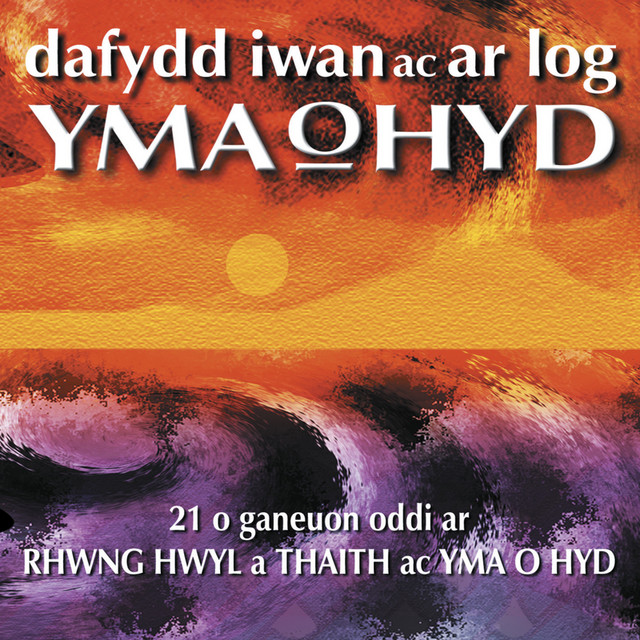
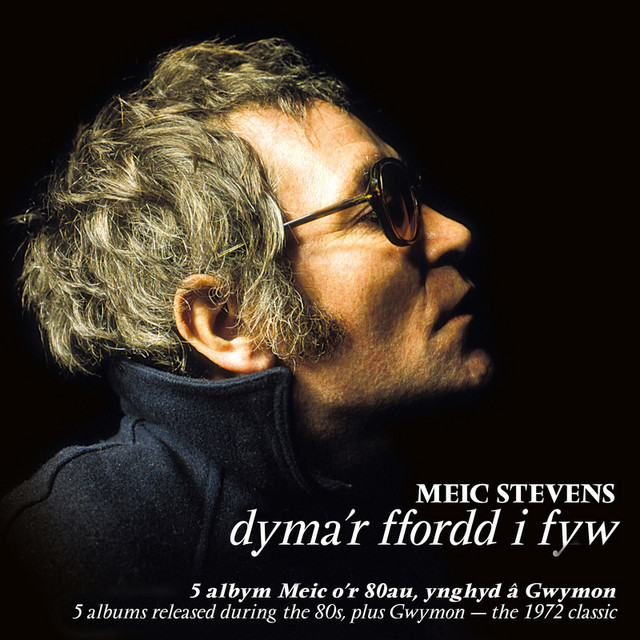
Key artists and ambassadors of Cymraeg include a spectrum of voices. Dafydd Iwan remains a towering figure in Welsh folk and political song, influential for generations of listeners who value language and storytelling. Datblygu, a Welsh-language post-punk/alternative act from the 1980s, helped redefine what Welsh-language music could sound like—raw, urgent, and unapologetically modern. On the alternative and indie side, Meic Stevens was a trailblazer in the 1960s and 1970s, shaping Welsh-language songwriting with a fearless, intimate voice. In the more recent era, Super Furry Animals’ Mwng (released in 2000) is widely regarded as a watershed: a fully Welsh-language album that proved Welsh could powerfully anchor a contemporary, internationally heard band. Gruff Rhys, the frontman of SFA, has carried that torch further, weaving Welsh-language creativity into a broad global audience. Gorky’s Zygotic Mynci and other bands from the Welsh scene of the 1990s and 2000s also highlighted how Welsh could be sung across genres—from psych-pop to folk to electronic-inflected music.
Cymraeg music is most popular in Wales, where language, identity, and culture intertwine with daily life and festival culture—especially at events like the National Eisteddfod and local gigs. It also resonates with Welsh-speaking communities abroad: the Patagonia region of Argentina, long a home to Welsh-language culture, plus diaspora communities in Canada, the United States, Australia, and parts of England. In the streaming era, Welsh-language tracks reach curious listeners worldwide, drawn by the warmth of the language, the storytelling, and the musical experimentation that Cymraeg artists continually bring to the table.
For newcomers, a starting path might be Mwng-era Welsh indie rock for a sense of Barricaded energy and melody, paired with the classic folk-rooted material from Dafydd Iwan or Meic Stevens to hear the language's musicality in different registers. Cymraeg invites listeners to hear how language, place, and sound collaborate to create a distinct, evolving musical world.
The roots reach deep into Wales’ hymnody and bardic history, but the modern wave began taking shape in the 20th century as Welsh-language music reasserted itself amid broader cultural renewal. Folk and political song became a powerful current in the 1960s and 1970s, with artists who treated the Welsh language not as a relic but as a living medium. By the 1980s and 1990s, a more diverse independent scene emerged: bold, uncompromising voices in alternative and indie music began delivering Welsh-language material with contemporary energy. This laid the groundwork for a new generation of artists who could blend Welsh tradition with global sounds.
Key artists and ambassadors of Cymraeg include a spectrum of voices. Dafydd Iwan remains a towering figure in Welsh folk and political song, influential for generations of listeners who value language and storytelling. Datblygu, a Welsh-language post-punk/alternative act from the 1980s, helped redefine what Welsh-language music could sound like—raw, urgent, and unapologetically modern. On the alternative and indie side, Meic Stevens was a trailblazer in the 1960s and 1970s, shaping Welsh-language songwriting with a fearless, intimate voice. In the more recent era, Super Furry Animals’ Mwng (released in 2000) is widely regarded as a watershed: a fully Welsh-language album that proved Welsh could powerfully anchor a contemporary, internationally heard band. Gruff Rhys, the frontman of SFA, has carried that torch further, weaving Welsh-language creativity into a broad global audience. Gorky’s Zygotic Mynci and other bands from the Welsh scene of the 1990s and 2000s also highlighted how Welsh could be sung across genres—from psych-pop to folk to electronic-inflected music.
Cymraeg music is most popular in Wales, where language, identity, and culture intertwine with daily life and festival culture—especially at events like the National Eisteddfod and local gigs. It also resonates with Welsh-speaking communities abroad: the Patagonia region of Argentina, long a home to Welsh-language culture, plus diaspora communities in Canada, the United States, Australia, and parts of England. In the streaming era, Welsh-language tracks reach curious listeners worldwide, drawn by the warmth of the language, the storytelling, and the musical experimentation that Cymraeg artists continually bring to the table.
For newcomers, a starting path might be Mwng-era Welsh indie rock for a sense of Barricaded energy and melody, paired with the classic folk-rooted material from Dafydd Iwan or Meic Stevens to hear the language's musicality in different registers. Cymraeg invites listeners to hear how language, place, and sound collaborate to create a distinct, evolving musical world.