Genre
red dirt
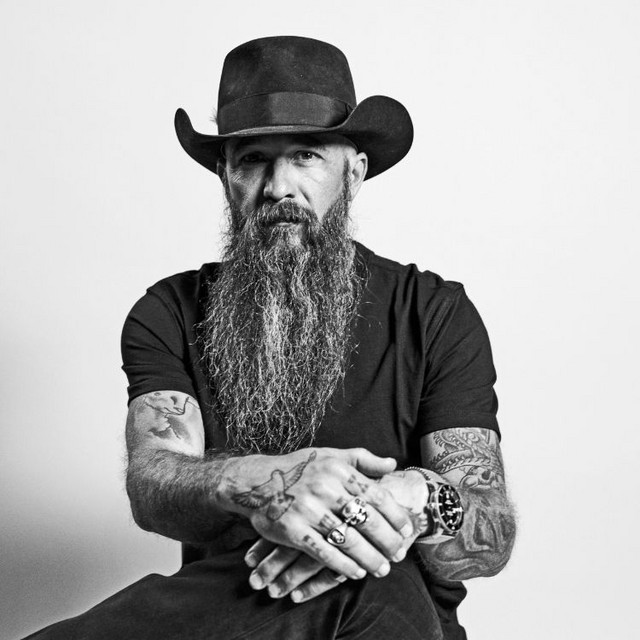
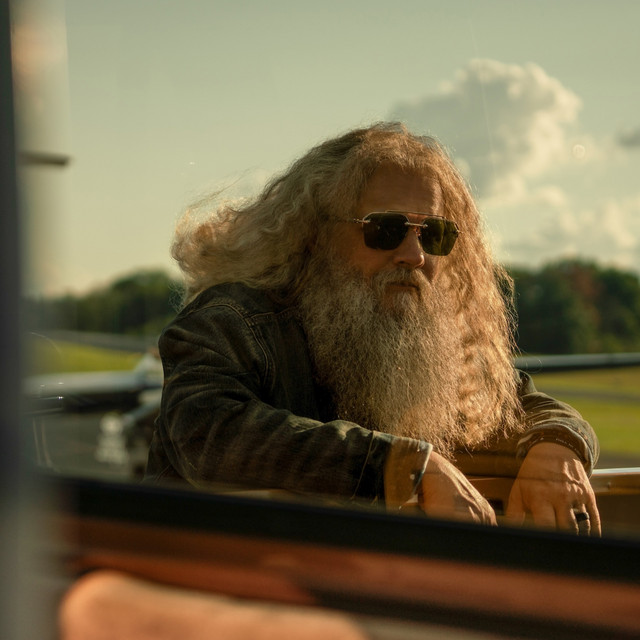
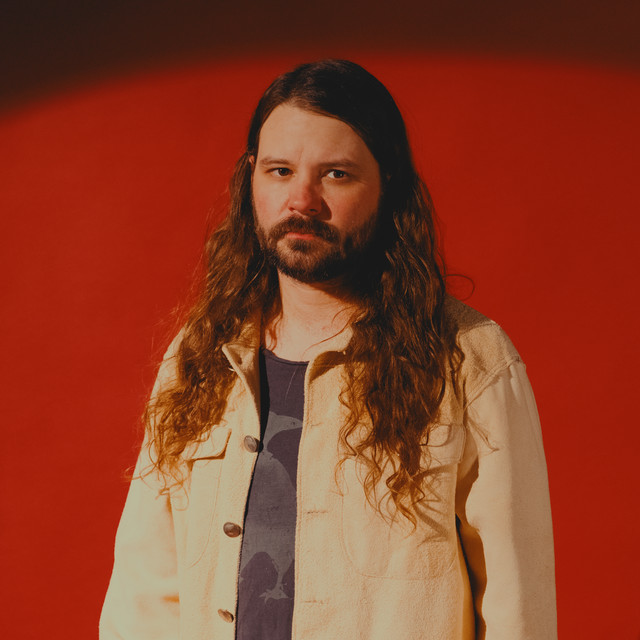
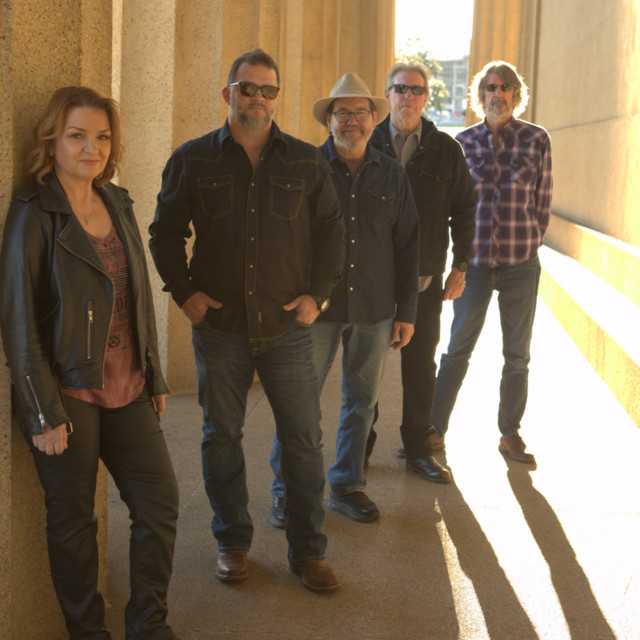
Top Red dirt Artists
Showing 25 of 960 artists



About Red dirt
Red dirt is a roots-forward strand of country music that grew from the dusty back roads of Oklahoma and the Texas Panhandle in the late 1980s and early 1990s. It is defined less by studio polish than by a live-fire approach to song, where storytelling takes center stage, guitars ring with dirt-road grit, and the DIY ethic rules—artists often write, publish, and tour on their own terms. The name itself reflects the land that birthed it: the red, mineral-rich soil of the region, a constant reminder that the music’s identity is as much about place as it is about melody.
Origins of red dirt are tied to a tight-knit Oklahoma scene centered around Stillwater and the college towns that fed a steady stream of hungry writers and players. A loosely organized circle coalesced around intimate venues where acts could try out new material night after night. Bob Childers, who became known as the Godfather of Red Dirt, didn’t so much create a genre as shepherd a community—one that welcomed outsiders yet remained deeply rooted in the Oklahoma prairie. The term “red dirt” itself grew from the soil and from the attitude: weathered, honest, and stubborn in its independence.
Musically, red dirt blends outlaw-country bite with rock energy, folk storytelling, and bluesy swing. Its arrangements tend to be lean, emphasizing the lyric, the hooks, and the chemistry of a great live band. You’ll hear everything from punchy electric riffs to lilting acoustic lines, all filtered through a Midwest-to-South sensibility that favors authenticity over airplay. The result is music that can be introspective and confessional one moment, boisterous and anthemic the next—songs that feel like conversations with a friend on a long drive.
Among the genre’s most influential ambassadors are a handful of acts that helped define its sound and reach. Bob Childers and his Red Dirt Ranger circle laid the groundwork. Cross Canadian Ragweed emerged as a national touchstone in the late 1990s and early 2000s with a raw, unvarnished rock-inflected country that connected with fans across the region. Cody Canada and the Departed carried the Red Dirt torch into the 2000s, while Turnpike Troubadours—led by Evan Felker—brought a literate, ballad-driven strain of Red Dirt to a broader audience. Other perennial names include Wade Bowen, Jason Boland & The Stragglers, Stoney LaRue, Bart Crow, and the broader circle of Texas-Oklahoma-based acts who tour relentlessly and build devoted followings in clubs, bars, and festival stages.
Geographically, red dirt remains strongest in the United States, with Oklahoma and Texas at the core and a network that stretches through the surrounding states. Outside North America, it has gathered a smaller yet passionate international following—fans in Canada and parts of Europe and Australia who prize its earnest storytelling and rugged live energy.
For music enthusiasts, red dirt offers a distinct lens on American country: a lineage forged in a specific landscape, a community-driven ethos, and music that prizes honesty, improvisation, and connection as much as a catchy chorus. If you crave songs that sound like road trips and honest portraits of life, red dirt is worth hearing with fresh ears.
Origins of red dirt are tied to a tight-knit Oklahoma scene centered around Stillwater and the college towns that fed a steady stream of hungry writers and players. A loosely organized circle coalesced around intimate venues where acts could try out new material night after night. Bob Childers, who became known as the Godfather of Red Dirt, didn’t so much create a genre as shepherd a community—one that welcomed outsiders yet remained deeply rooted in the Oklahoma prairie. The term “red dirt” itself grew from the soil and from the attitude: weathered, honest, and stubborn in its independence.
Musically, red dirt blends outlaw-country bite with rock energy, folk storytelling, and bluesy swing. Its arrangements tend to be lean, emphasizing the lyric, the hooks, and the chemistry of a great live band. You’ll hear everything from punchy electric riffs to lilting acoustic lines, all filtered through a Midwest-to-South sensibility that favors authenticity over airplay. The result is music that can be introspective and confessional one moment, boisterous and anthemic the next—songs that feel like conversations with a friend on a long drive.
Among the genre’s most influential ambassadors are a handful of acts that helped define its sound and reach. Bob Childers and his Red Dirt Ranger circle laid the groundwork. Cross Canadian Ragweed emerged as a national touchstone in the late 1990s and early 2000s with a raw, unvarnished rock-inflected country that connected with fans across the region. Cody Canada and the Departed carried the Red Dirt torch into the 2000s, while Turnpike Troubadours—led by Evan Felker—brought a literate, ballad-driven strain of Red Dirt to a broader audience. Other perennial names include Wade Bowen, Jason Boland & The Stragglers, Stoney LaRue, Bart Crow, and the broader circle of Texas-Oklahoma-based acts who tour relentlessly and build devoted followings in clubs, bars, and festival stages.
Geographically, red dirt remains strongest in the United States, with Oklahoma and Texas at the core and a network that stretches through the surrounding states. Outside North America, it has gathered a smaller yet passionate international following—fans in Canada and parts of Europe and Australia who prize its earnest storytelling and rugged live energy.
For music enthusiasts, red dirt offers a distinct lens on American country: a lineage forged in a specific landscape, a community-driven ethos, and music that prizes honesty, improvisation, and connection as much as a catchy chorus. If you crave songs that sound like road trips and honest portraits of life, red dirt is worth hearing with fresh ears.