Genre
danish folk
Top Danish folk Artists
Showing 8 of 8 artists

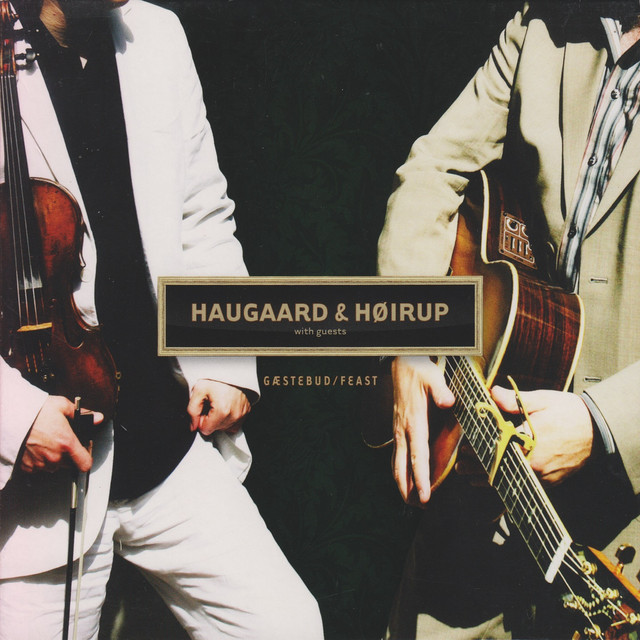


About Danish folk
Danish folk, or dansk folkemusik, is the traditional music of Denmark rooted in rural life, festive gatherings, and the long oral tradition of ballads and dances. It sits at the crossroads of memory and invention: melodies are handed down generation to generation, then reinterpreted by composers and players who keep the sound vital for contemporary audiences. If you listen closely, you’ll hear the sinews of a national sound—vibrant, tactile, and deeply human.
Its birth is not a single moment but a long process. In medieval and early modern Denmark, folk tunes grew from dances, farm work songs, and village rituals. By the 19th century, a broader folk-revival movement began in Northern Europe, with collectors and musicians coming together to safeguard and celebrate traditional material. In Denmark, the discipline of archiving songs and the emergence of interpretive clubs and ensembles helped turn a bustling oral culture into a lasting repertoire. The Danish Folk Music scene thus matured from village performance into a nationwide and, later, international conversation about what Danish music could sound like beyond the concert hall.
Instruments and sound are essential identifiers. The fiddle (violin) has long been central, often joined by accordion, flute, and various plucked instruments. You’ll also encounter hurdy-gurdy, bagpipes in some regional strands, and, in modern settings, amplified guitars and percussion. The music embraces a range of traditional Danish forms, from pols (a Danish polska dance tune) and brudevalser (bridal waltzes) to lively dances used for community dances and celebrations. The result is a music that can feel intimate and skeletal in its bare bones, or expansive and orchestral when a modern arrangement grows around it.
Historically important figures include folklorists who preserved the material and composers who gave it new life. Evald Tang Kristensen, a key 19th- to early 20th-century collector, preserved a vast catalog of Danish songs and lore that later performers could draw from. In the concert hall tradition, composers such as Carl Nielsen incorporated folk-inflected melodies and rhythms into orchestral and choral works, helping to position Danish folk as a national expressive resource rather than a mere rural pastime. These threads—collection, performance, and reimagining—are what keep Danish folk a living tradition.
Today, Danish folk enjoys a robust presence in Denmark and in the broader Nordic region, where it intertwines with Sweden, Norway, and Icelandic folk aesthetics. Outside the Nordic world, it finds admirers in the UK, Germany, the Netherlands, and North America, where roots and world-music audiences seek out authentic, story-driven music. Festival stages—like Tønder Festival, a central gathering point for European folk and roots musicians—showcase Danish acts alongside international peers, reinforcing the genre’s community-based ethos and its capacity to travel through sound.
If you’re drawn to music that speaks of landscape, legend, and everyday life, Danish folk offers a rich listening experience: a blend of intimate storytelling and communal energy, traditional craft refined through modern sensibility, and an ongoing invitation to discover how a country’s musical language can stay true to its roots while remaining vital and new.
Its birth is not a single moment but a long process. In medieval and early modern Denmark, folk tunes grew from dances, farm work songs, and village rituals. By the 19th century, a broader folk-revival movement began in Northern Europe, with collectors and musicians coming together to safeguard and celebrate traditional material. In Denmark, the discipline of archiving songs and the emergence of interpretive clubs and ensembles helped turn a bustling oral culture into a lasting repertoire. The Danish Folk Music scene thus matured from village performance into a nationwide and, later, international conversation about what Danish music could sound like beyond the concert hall.
Instruments and sound are essential identifiers. The fiddle (violin) has long been central, often joined by accordion, flute, and various plucked instruments. You’ll also encounter hurdy-gurdy, bagpipes in some regional strands, and, in modern settings, amplified guitars and percussion. The music embraces a range of traditional Danish forms, from pols (a Danish polska dance tune) and brudevalser (bridal waltzes) to lively dances used for community dances and celebrations. The result is a music that can feel intimate and skeletal in its bare bones, or expansive and orchestral when a modern arrangement grows around it.
Historically important figures include folklorists who preserved the material and composers who gave it new life. Evald Tang Kristensen, a key 19th- to early 20th-century collector, preserved a vast catalog of Danish songs and lore that later performers could draw from. In the concert hall tradition, composers such as Carl Nielsen incorporated folk-inflected melodies and rhythms into orchestral and choral works, helping to position Danish folk as a national expressive resource rather than a mere rural pastime. These threads—collection, performance, and reimagining—are what keep Danish folk a living tradition.
Today, Danish folk enjoys a robust presence in Denmark and in the broader Nordic region, where it intertwines with Sweden, Norway, and Icelandic folk aesthetics. Outside the Nordic world, it finds admirers in the UK, Germany, the Netherlands, and North America, where roots and world-music audiences seek out authentic, story-driven music. Festival stages—like Tønder Festival, a central gathering point for European folk and roots musicians—showcase Danish acts alongside international peers, reinforcing the genre’s community-based ethos and its capacity to travel through sound.
If you’re drawn to music that speaks of landscape, legend, and everyday life, Danish folk offers a rich listening experience: a blend of intimate storytelling and communal energy, traditional craft refined through modern sensibility, and an ongoing invitation to discover how a country’s musical language can stay true to its roots while remaining vital and new.