Genre
danish jazz
Top Danish jazz Artists
Showing 18 of 18 artists





About Danish jazz
Danish jazz is a warm, melodic branch of European improvisation that grew out of Copenhagen’s club culture and the postwar exchanges between American jazz and a new generation of Danish musicians. Born in the 1950s and 1960s, it emerged from intimate venues, jam sessions, and the influx of American expatriates who found a welcoming scene in Denmark. The result is a sound that often favors clarity of line, lyrical improvisation, and a refined sense of space, sometimes described as Nordic in its emphasis on texture and balance rather than sheer velocity.
Copenhagen became the beating heart of this development. Jazzhus Montmartre, a legendary club that hosted visiting American stars and nurtured local talent, helped create a hub where Danish players could study, experiment, and present a distinctly European take on jazz. Another pillar was the record industry that formed around the city; labels and studios captured sessions that showcased a conversation between Danish musicians and the wider jazz world. Over the decades, Danish jazz bands and soloists forged a language that could be intimate and contemplative one moment, or playfully intricate and modern the next.
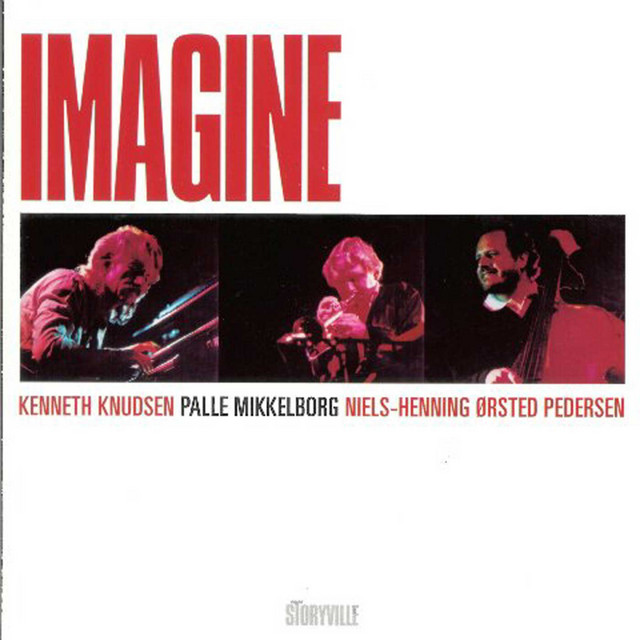
Key ambassadors and figures of Danish jazz include Svend Asmussen, the venerable violinist who bridged generations with a singing tone and elegant phrasing; Niels-Henning Ørsted Pedersen, widely regarded as one of the great bassists in jazz history, whose virtuosity and musical generosity elevated countless sessions; and Palle Mikkelborg, a trumpeter-composer whose ambitious works broadened the scope of what Danish jazz could be. From the younger ranks, Niels Lan Doky (pianist) and Jesper Thilo (saxophonist) helped push the scene into the international spotlight, blending Danish sensibility with global jazz currents. Drummers like Alex Riel provided the propulsion that kept the music lively, while composers and bandleaders continually reimagined harmonic and rhythmic possibilities.
The Danish approach often sits comfortably within the broader “Nordic jazz” aesthetic, characterized by crisp ensembles, subtle harmony, and an emphasis on listening and interaction. It can be economical and precise, but also expansive and exploratory, with collaborations spanning traditional swing, cool-toned lyricism, and elements of post-bop and modern European experimentation. A steady stream of sessions was documented and distributed through SteepleChase Records, a Copenhagen-born label that became an important conduit for cross-cultural exchange, recording Danish players alongside American greats and documenting the evolving scene for audiences around the world.
Where is it popular? In Denmark, of course, where the scene remains a point of cultural pride. It also enjoys a robust following in the Nordic countries—Norway and Sweden among them—and has found listeners across Western Europe, thanks to festivals, European tours, and the enduring appeal of well-crafted improvisation. In the United States and Japan—two long-standing jazz markets—the Danish sound is often celebrated by connoisseurs who seek the European tendency toward nuance, discipline, and expressive restraint.
In short, Danish jazz is a refined, communicative art form born from a postwar conversation with American jazz, nourished by Copenhagen’s clubs, and carried forward by a generation of musicians who combine European elegance with universal improvisational energy.
Copenhagen became the beating heart of this development. Jazzhus Montmartre, a legendary club that hosted visiting American stars and nurtured local talent, helped create a hub where Danish players could study, experiment, and present a distinctly European take on jazz. Another pillar was the record industry that formed around the city; labels and studios captured sessions that showcased a conversation between Danish musicians and the wider jazz world. Over the decades, Danish jazz bands and soloists forged a language that could be intimate and contemplative one moment, or playfully intricate and modern the next.
Key ambassadors and figures of Danish jazz include Svend Asmussen, the venerable violinist who bridged generations with a singing tone and elegant phrasing; Niels-Henning Ørsted Pedersen, widely regarded as one of the great bassists in jazz history, whose virtuosity and musical generosity elevated countless sessions; and Palle Mikkelborg, a trumpeter-composer whose ambitious works broadened the scope of what Danish jazz could be. From the younger ranks, Niels Lan Doky (pianist) and Jesper Thilo (saxophonist) helped push the scene into the international spotlight, blending Danish sensibility with global jazz currents. Drummers like Alex Riel provided the propulsion that kept the music lively, while composers and bandleaders continually reimagined harmonic and rhythmic possibilities.
The Danish approach often sits comfortably within the broader “Nordic jazz” aesthetic, characterized by crisp ensembles, subtle harmony, and an emphasis on listening and interaction. It can be economical and precise, but also expansive and exploratory, with collaborations spanning traditional swing, cool-toned lyricism, and elements of post-bop and modern European experimentation. A steady stream of sessions was documented and distributed through SteepleChase Records, a Copenhagen-born label that became an important conduit for cross-cultural exchange, recording Danish players alongside American greats and documenting the evolving scene for audiences around the world.
Where is it popular? In Denmark, of course, where the scene remains a point of cultural pride. It also enjoys a robust following in the Nordic countries—Norway and Sweden among them—and has found listeners across Western Europe, thanks to festivals, European tours, and the enduring appeal of well-crafted improvisation. In the United States and Japan—two long-standing jazz markets—the Danish sound is often celebrated by connoisseurs who seek the European tendency toward nuance, discipline, and expressive restraint.
In short, Danish jazz is a refined, communicative art form born from a postwar conversation with American jazz, nourished by Copenhagen’s clubs, and carried forward by a generation of musicians who combine European elegance with universal improvisational energy.