Genre
dansei seiyu
Top Dansei seiyu Artists
Showing 25 of 26 artists
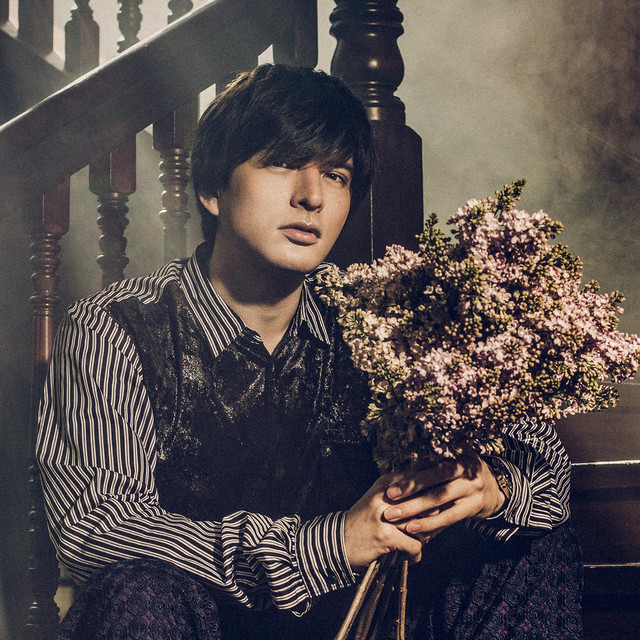
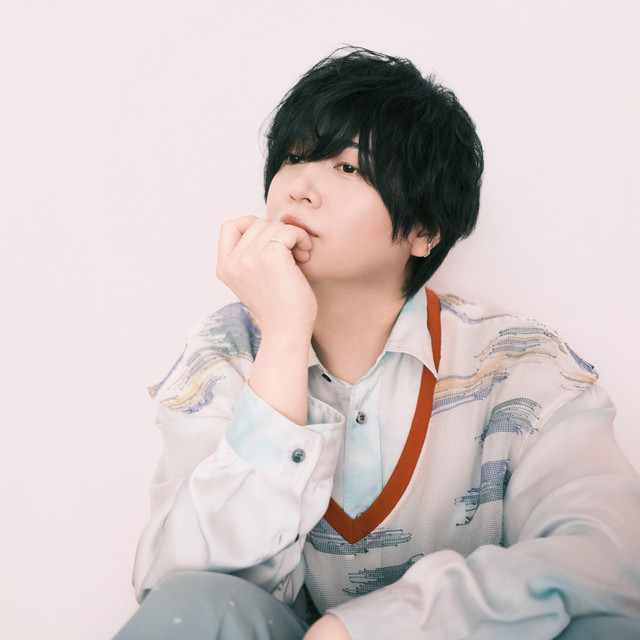
3
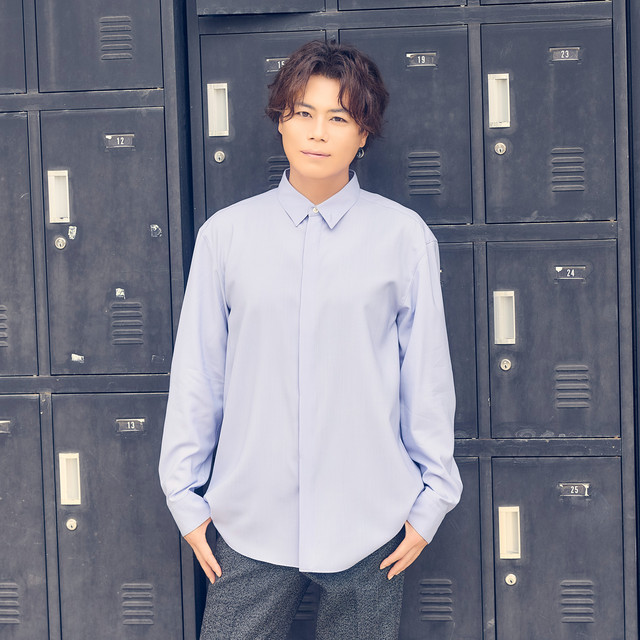
浪川大輔
Japan
8,723
9,468 listeners
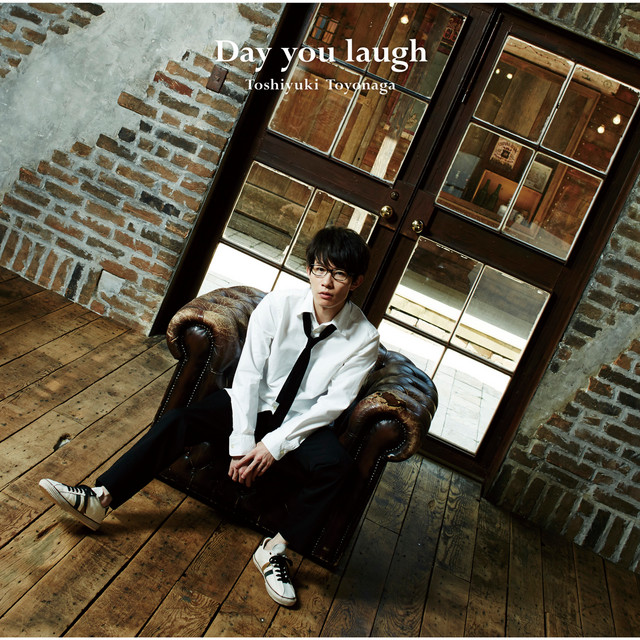
5
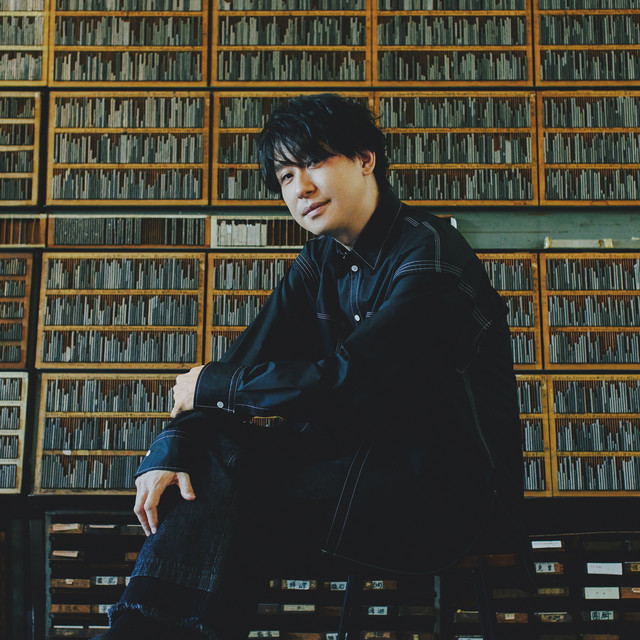
鈴村健一
Japan
11,209
6,675 listeners
6

西山宏太朗
17,267
4,422 listeners

8
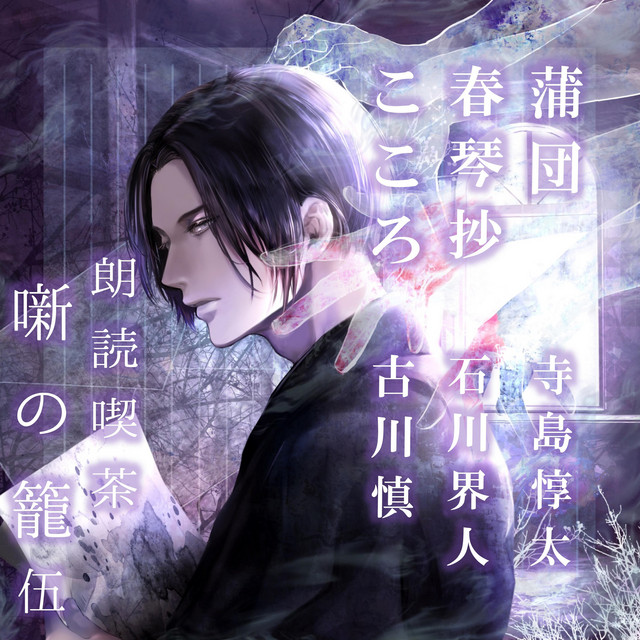
石川界人
3,508
2,864 listeners
9
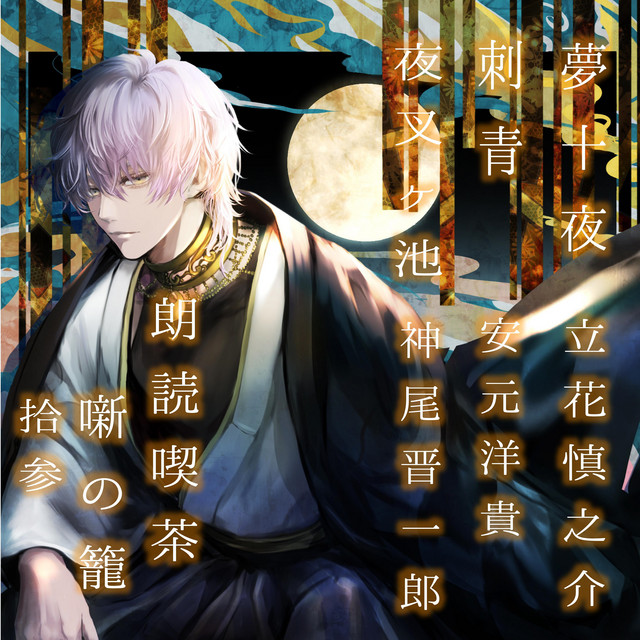
立花慎之介
1,795
2,225 listeners
10
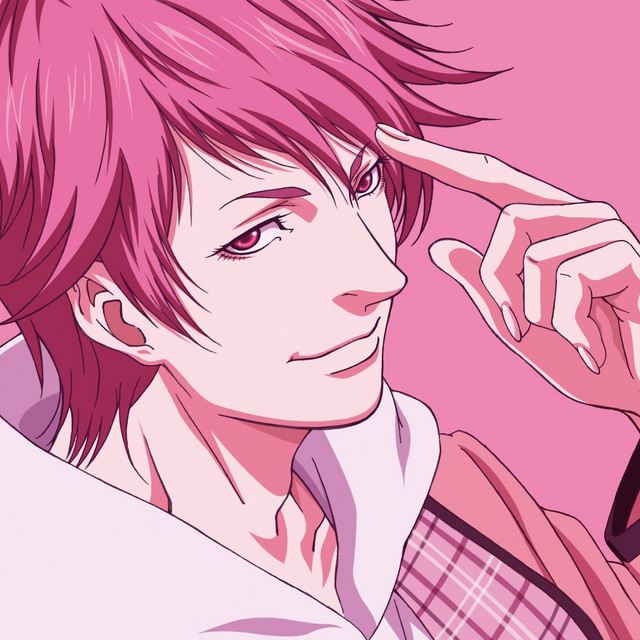
小野賢章
4,348
2,054 listeners
11
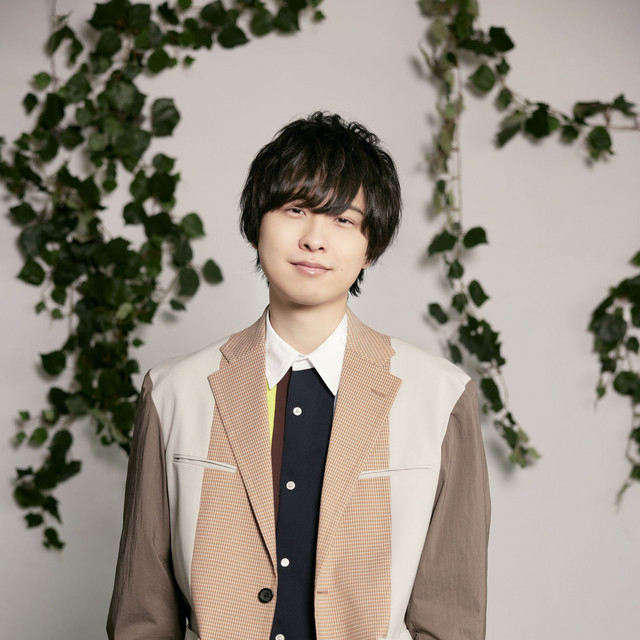
寺島惇太
3,257
1,992 listeners
12
浅沼晋太郎
3,842
1,734 listeners
13

木村良平
4,987
1,407 listeners
14

佐藤拓也
2,379
880 listeners
15

植田圭輔
Japan
3,126
871 listeners
16

日野聡
Japan
1,381
869 listeners
17

荒牧慶彦
1,523
500 listeners
18
上村祐翔
1,274
383 listeners

20

武内駿輔
551
193 listeners
22
前野 智昭
878
- listeners
24
山谷祥生
278
- listeners
About Dansei seiyu
Dansei seiyu, literally “male voice actors,” is best described not as a single musical style but as a vibrant strand of the Japanese music scene built around men who work as professional voice actors (seiyuu) and who release music as solo artists, in units, or as part of larger anime-centered projects. The genre blends pop, ballads, rock, and orchestral elements, but its true identity comes from the cross-pollination with anime, video games, drama CDs, and stage performances. It is as much about the performer’s persona and live show as it is about the sonic texture of the songs themselves.
The roots lie in a broader rise of seiyuu as multimedia stars during Japan’s late 20th century media boom. By the 1990s and early 2000s, many voice actors began to expand beyond radio appearances and character voices into singing careers, releasing singles and albums tied to their roles or to stand-alone entertainment projects. The trend intensified with the proliferation of anime music (anison) and drama CDs, where fans followed not just the characters but the real-life performers behind them. In the late 2000s, specialized labels and live-event circuits further formalized the scene, elevating male seiyuu into recognizable pop figures and concert draws. A pivotal development was the establishment of dedicated outlets for seiyuu musicians, such as the Kiramune imprint (operated by King Records) and similar labels, which curate male seiyuu as a coherent music audience and touring demographic.
Stylistically, dansei seiyu releases span the spectrum of contemporary J-pop, with touches of rock, R&B, and balladry. Much of the material is crafted to suit anime aesthetics—emotive vocal lines, theatrical phrasing, and lyrics that often echo themes of friendship, longing, and courage. A strong portion of the repertoire also comprises character songs—tracks performed in-character or written to extend a given anime or game’s storytelling—allowing fans to experience a singer’s voice both as a private artist and as a persona tied to a fictional world. Live performances, fan events, and voice-actor showcases are essential to the experience, emphasizing connection and intimacy with audiences who attend in cosplay or casual attire alike.
Key artists and ambassadors of the genre include Mamoru Miyano, one of the most visible early trailblazers who bridged anime stardom with a robust music career, headlining arenas and releasing multiple albums. Other enduring figures in the field are KENN, whose energetic vocal style and stage presence have earned a wide following in seiyuu circles, and Kensho Ono, a prolific voice actor who consistently releases music and headlines live shows. These artists symbolize the dual identity of dansei seiyu: they are both performers of songs and living embodiments of anime personalities. The Kiramune label and similar collectives act as institutional ambassadors, promoting tours, festival appearances, and cross-media collaborations that keep male seiyuu musicians in the public eye.
Geographically, the scene is most deeply rooted in Japan, where anime culture and live concerts collide in major cities. It has a growing international footprint as anime communities abroad discover seiyuu music via streaming, fan translation, and international conventions. Fans in Taiwan, South Korea, China, and Southeast Asia, as well as North American and European anime enthusiasts, increasingly participate in subcultures surrounding dansei seiyu through online communities and occasional touring acts.
In sum, dansei seiyu is a music subculture defined not by a single sound but by the fusion of vocal artistry, character resonance, and live performance. It thrives on the charisma of male seiyuu who sing as themselves and as the voices of beloved characters, delivering a distinctive experience to fans who chase both the show and the sound.
The roots lie in a broader rise of seiyuu as multimedia stars during Japan’s late 20th century media boom. By the 1990s and early 2000s, many voice actors began to expand beyond radio appearances and character voices into singing careers, releasing singles and albums tied to their roles or to stand-alone entertainment projects. The trend intensified with the proliferation of anime music (anison) and drama CDs, where fans followed not just the characters but the real-life performers behind them. In the late 2000s, specialized labels and live-event circuits further formalized the scene, elevating male seiyuu into recognizable pop figures and concert draws. A pivotal development was the establishment of dedicated outlets for seiyuu musicians, such as the Kiramune imprint (operated by King Records) and similar labels, which curate male seiyuu as a coherent music audience and touring demographic.
Stylistically, dansei seiyu releases span the spectrum of contemporary J-pop, with touches of rock, R&B, and balladry. Much of the material is crafted to suit anime aesthetics—emotive vocal lines, theatrical phrasing, and lyrics that often echo themes of friendship, longing, and courage. A strong portion of the repertoire also comprises character songs—tracks performed in-character or written to extend a given anime or game’s storytelling—allowing fans to experience a singer’s voice both as a private artist and as a persona tied to a fictional world. Live performances, fan events, and voice-actor showcases are essential to the experience, emphasizing connection and intimacy with audiences who attend in cosplay or casual attire alike.
Key artists and ambassadors of the genre include Mamoru Miyano, one of the most visible early trailblazers who bridged anime stardom with a robust music career, headlining arenas and releasing multiple albums. Other enduring figures in the field are KENN, whose energetic vocal style and stage presence have earned a wide following in seiyuu circles, and Kensho Ono, a prolific voice actor who consistently releases music and headlines live shows. These artists symbolize the dual identity of dansei seiyu: they are both performers of songs and living embodiments of anime personalities. The Kiramune label and similar collectives act as institutional ambassadors, promoting tours, festival appearances, and cross-media collaborations that keep male seiyuu musicians in the public eye.
Geographically, the scene is most deeply rooted in Japan, where anime culture and live concerts collide in major cities. It has a growing international footprint as anime communities abroad discover seiyuu music via streaming, fan translation, and international conventions. Fans in Taiwan, South Korea, China, and Southeast Asia, as well as North American and European anime enthusiasts, increasingly participate in subcultures surrounding dansei seiyu through online communities and occasional touring acts.
In sum, dansei seiyu is a music subculture defined not by a single sound but by the fusion of vocal artistry, character resonance, and live performance. It thrives on the charisma of male seiyuu who sing as themselves and as the voices of beloved characters, delivering a distinctive experience to fans who chase both the show and the sound.