Genre
dansktop
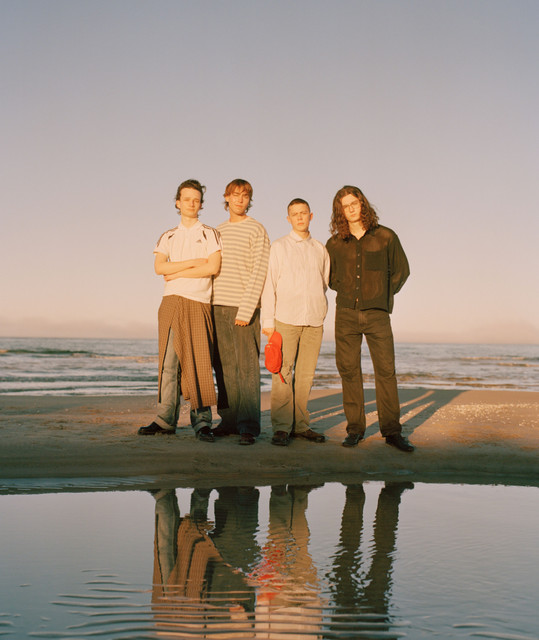
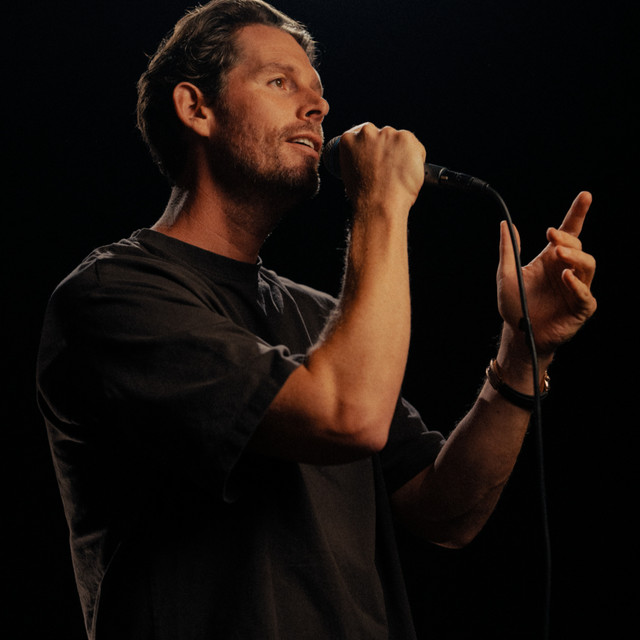
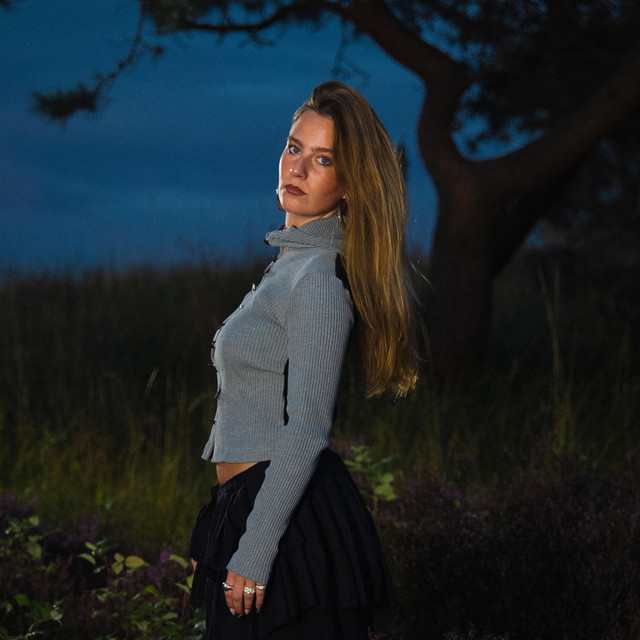
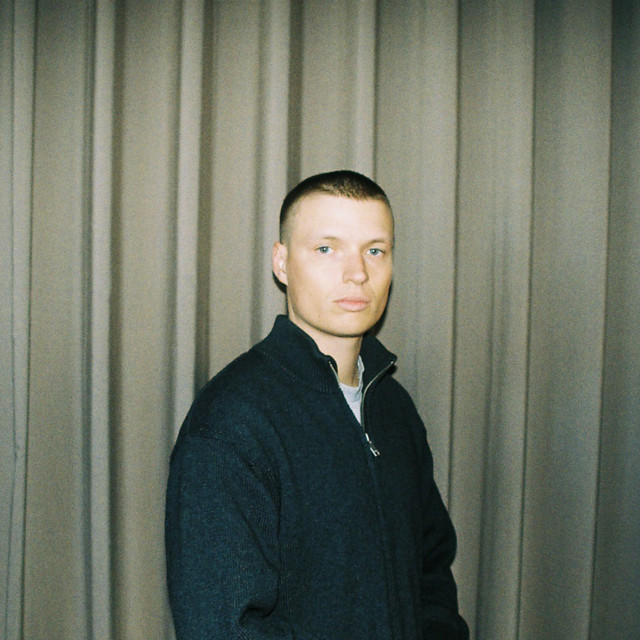
Top Dansktop Artists
Showing 25 of 771 artists









About Dansktop
Dansktop is a distinctly Danish flavor of popular music that grew out of postwar social dancing and the desire for catchy, singalong tunes that could fill dance halls across provincial towns. Born and bred in Denmark, the genre fused elements of American pop, continental schlager, folk-inflected tunes, and accessible production to create music meant to be heard, remembered, and danced to. By the mid-1960s its ecosystem—dance venues, weekend dances, radio playlists, and a national appetite for light, emotionally immediate songs—had crystallized into a recognizable sound and scene.
What characterizes dansktop musically is simplicity with a strong melodic hook. Songs typically clock in at radio-friendly lengths, feature clear verses and choruses, and rely on memorable refrains that invite spontaneous singalongs. The instrumentation often blends piano or accordion with guitar, light orchestration, tasteful strings, and a steady, danceable rhythm—enough groove to move feet, enough polish to feel radio-ready. Lyrically, dansktop revolves around everyday love, longing, friendship, and small-town life, sometimes with a wink of humor or a touch of sentimentality. The production ethos emphasizes clarity and warmth, making songs easy to digest in crowded venues or on quiet, late-evening radio slots.
Dansktop’s social function cannot be overstated. Dance halls—whether large municipal venues or intimate village clubs—were the connective tissue of the scene. People would gather to hear the latest releases, dance the waltz, foxtrot, or popular pop rhythms, and share in a shared Danish cultural experience. The genre’s reach and relevance were reinforced by a robust network of radio and television programs, most notably a long-running Dansktop chart show that highlighted Danish-language tunes and helped propel artists from regional recognition to national familiarity. This media machinery kept the scene vibrant through the 1960s and into the following decades, even as pop tastes evolved.
In terms of geography, dansktop is most deeply rooted in Denmark, with its heartlands in provincial towns and the capital’s vibrant media scene. Its influence spilled modestly into neighboring Nordic markets where schlager and melody-forward pop had receptive audiences, and it resonated with listeners who valued Danish-language imagery and storytelling. The genre’s ambassadors—singers, composers, and performers who became synonymous with the dance-hall, radio, and television era—are remembered for giving the sound its distinctive personality. Among the better-known names associated with the era are Birthe Kjær, Johnny Reimar, and Gitte Hænning, who each helped define the melodic, accessible ethos of dansktop and sustained its popularity across generations. These artists, among many others, embodied the ideal of music that felt intimate yet universal, local yet legible to a wider Danish audience.
Today, dansktop occupies a nostalgic yet influential niche. For enthusiasts, it represents a historical bridge between mid-20th-century popular culture and contemporary Danish pop and schlager revivals. Its legacy persists in the way modern acts borrow its emphasis on melody, catchy choruses, and lyrics grounded in everyday life. If you’re exploring Danish popular music, dansektop offers a compelling lens on how music, dance, language, and community co-create a national sound that remains endearing and enduring.
What characterizes dansktop musically is simplicity with a strong melodic hook. Songs typically clock in at radio-friendly lengths, feature clear verses and choruses, and rely on memorable refrains that invite spontaneous singalongs. The instrumentation often blends piano or accordion with guitar, light orchestration, tasteful strings, and a steady, danceable rhythm—enough groove to move feet, enough polish to feel radio-ready. Lyrically, dansktop revolves around everyday love, longing, friendship, and small-town life, sometimes with a wink of humor or a touch of sentimentality. The production ethos emphasizes clarity and warmth, making songs easy to digest in crowded venues or on quiet, late-evening radio slots.
Dansktop’s social function cannot be overstated. Dance halls—whether large municipal venues or intimate village clubs—were the connective tissue of the scene. People would gather to hear the latest releases, dance the waltz, foxtrot, or popular pop rhythms, and share in a shared Danish cultural experience. The genre’s reach and relevance were reinforced by a robust network of radio and television programs, most notably a long-running Dansktop chart show that highlighted Danish-language tunes and helped propel artists from regional recognition to national familiarity. This media machinery kept the scene vibrant through the 1960s and into the following decades, even as pop tastes evolved.
In terms of geography, dansktop is most deeply rooted in Denmark, with its heartlands in provincial towns and the capital’s vibrant media scene. Its influence spilled modestly into neighboring Nordic markets where schlager and melody-forward pop had receptive audiences, and it resonated with listeners who valued Danish-language imagery and storytelling. The genre’s ambassadors—singers, composers, and performers who became synonymous with the dance-hall, radio, and television era—are remembered for giving the sound its distinctive personality. Among the better-known names associated with the era are Birthe Kjær, Johnny Reimar, and Gitte Hænning, who each helped define the melodic, accessible ethos of dansktop and sustained its popularity across generations. These artists, among many others, embodied the ideal of music that felt intimate yet universal, local yet legible to a wider Danish audience.
Today, dansktop occupies a nostalgic yet influential niche. For enthusiasts, it represents a historical bridge between mid-20th-century popular culture and contemporary Danish pop and schlager revivals. Its legacy persists in the way modern acts borrow its emphasis on melody, catchy choruses, and lyrics grounded in everyday life. If you’re exploring Danish popular music, dansektop offers a compelling lens on how music, dance, language, and community co-create a national sound that remains endearing and enduring.