Genre
deep adult standards
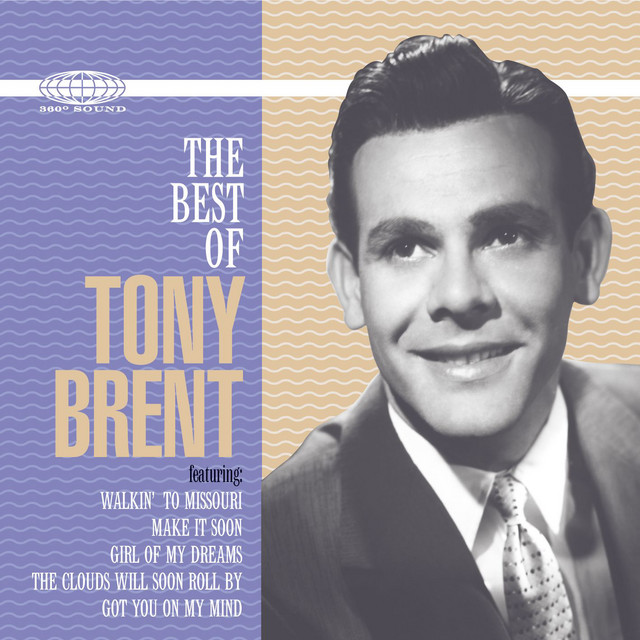
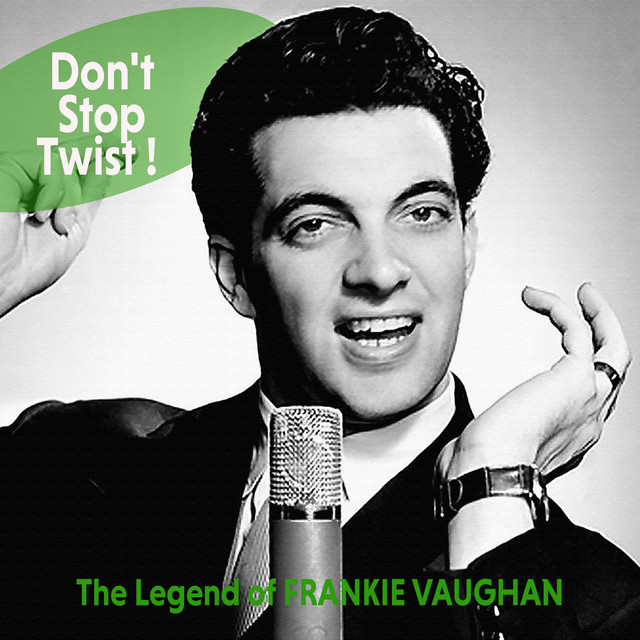
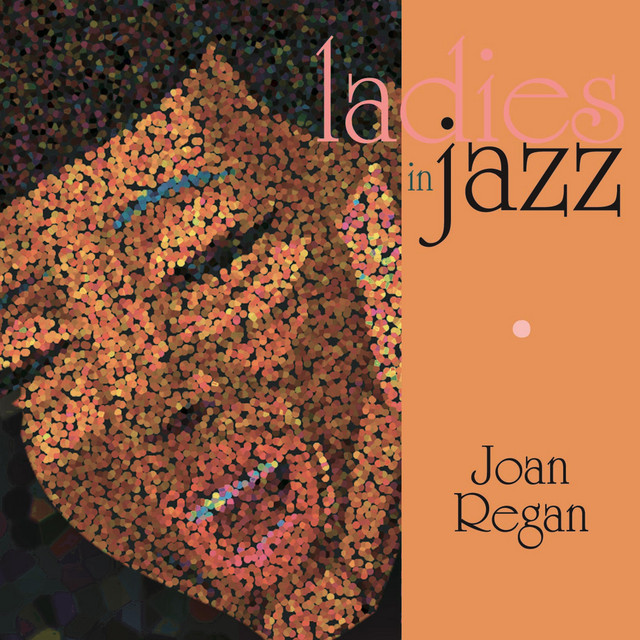
Top Deep adult standards Artists
Showing 18 of 18 artists
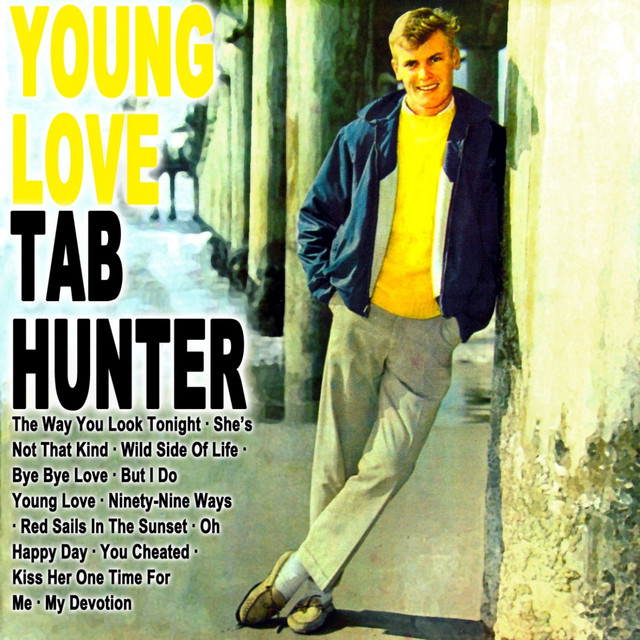
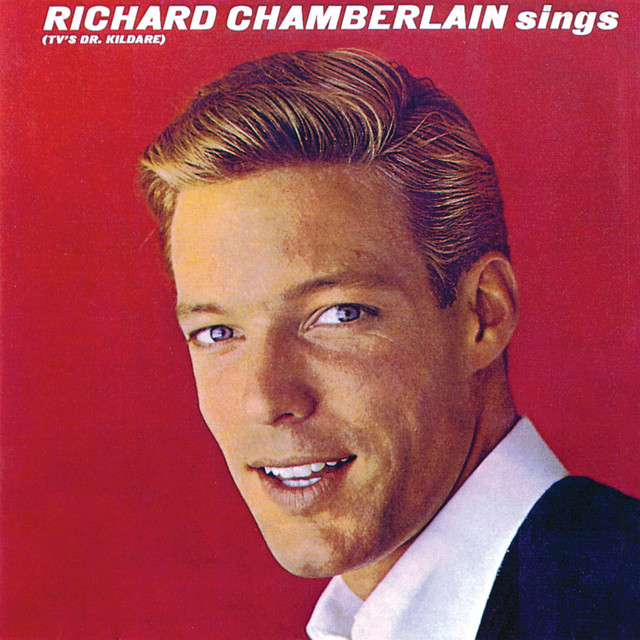
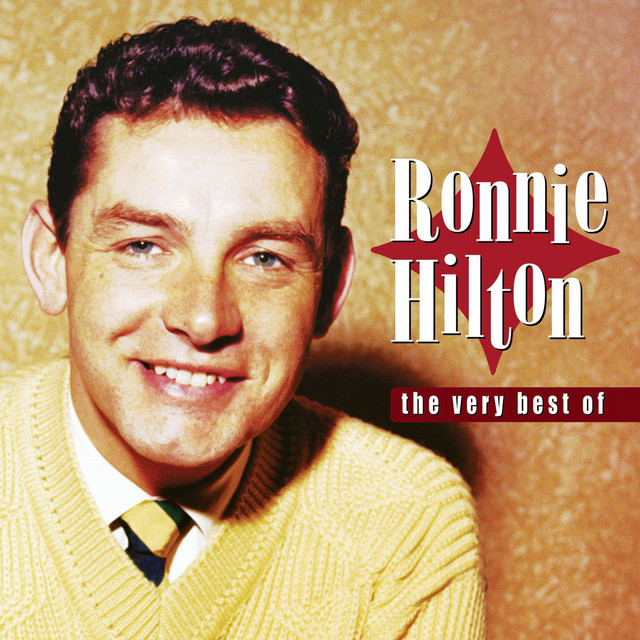

About Deep adult standards
Deep Adult Standards (DAS) is a contemporary label used by enthusiasts to describe a refined branch of the broader adult standards or traditional pop tradition. It’s not a rigid genre with a single, official manifesto, but a mood and approach: intimate, vocal-centric interpretations of the Great American Songbook and its kin, filtered through modern production and a preference for warm, enduring lyricism.
Origins and birth of the idea
The core songs of this world were written in the mid-20th century—Porter, Berlin, Gershwin, Arlen, and the other great songwriters who built the Great American Songbook. Singers such as Frank Sinatra, Nat King Cole, Tony Bennett, and Ella Fitzgerald helped crystallize a repertoire that could be intimate and emotionally direct as well as grand and orchestrated. The DAS label, so to speak, emerges later as a pale, polished offshoot: a niche where voices with depth and timbre—often in the lower to mid range—are celebrated for their ability to convey longing, nostalgia, and romance with a certain hushed intensity. The “deep” in DAS points to timbre as much as to tempo: a preference for resonant, velvety vocal tones over glossy, bright projection, and for arrangements that favor nuance over bombast.
What DAS sounds like
Characteristic features include slow-to-mid tempos, lyrical emphasis, and lush but restrained orchestration. Expect intimate ballads, quiet-key piano, brushed drums, strings, and tasteful brass that support, rather than shout over, the vocal line. Phrasing tends to be expressive and patient, with rubato that lets the singer savor a word or two. The repertoire leans on themes of love, memory, heartbreak, and longing, often tinted with old-world glamour or urban nocturne. In performance spaces, DAS thrives in intimate clubs, supper clubs, and carefully produced studio sessions—places where a single, well-placed high note isn’t the point; it’s how a singer shapes a phrase to pull at the listener’s heart.
Key artists and ambassadors
Historic torchbearers of the broader standards tradition include Frank Sinatra, Nat King Cole, Tony Bennett, Johnny Hartman, and Mel Tormé—artists whose discography remains touchstones for tone and interpretation. In the contemporary DAS scene, a number of voices are regularly highlighted as ambassadors or exemplars: Michael Bublé, Harry Connick Jr., Jamie Cullum, Josh Groban, and Gregory Porter are among those who keep the tradition alive with modern arrangements and new audiences. Other notable presences include Diana Krall in the jazz-standards orbit and Seth MacFarlane, who has explicitly drawn on Sinatra-esque phrasing and classic banter. Collectively, these artists model how a deep, intelligent delivery can bridge vintage repertoire and present-day sensibilities.
Geography and audience
DAS enjoys particular strength in North America and Western Europe, with enduring interest in Japan and other markets where crooner culture and sophisticated vocal jazz hold enduring appeal. It thrives in vinyl and streaming playlists alike, in radio formats that cater to adult listeners, and in live venues that prize nuance and emotional clarity over high-speed virtuosity.
Why listen
For enthusiasts, DAS offers a refreshing contrast to high-octane pop or flashy fusion: a return to storytelling through a warm, substantial vocal presence, paired with arrangements that honor nuance and restraint. It’s a genre where a whisper can carry the weight of a lifetime, and where every phrase invites careful listening. If you love songs that feel timeless yet alive in the moment, DAS is a welcoming, human-centered corner of modern music.
Origins and birth of the idea
The core songs of this world were written in the mid-20th century—Porter, Berlin, Gershwin, Arlen, and the other great songwriters who built the Great American Songbook. Singers such as Frank Sinatra, Nat King Cole, Tony Bennett, and Ella Fitzgerald helped crystallize a repertoire that could be intimate and emotionally direct as well as grand and orchestrated. The DAS label, so to speak, emerges later as a pale, polished offshoot: a niche where voices with depth and timbre—often in the lower to mid range—are celebrated for their ability to convey longing, nostalgia, and romance with a certain hushed intensity. The “deep” in DAS points to timbre as much as to tempo: a preference for resonant, velvety vocal tones over glossy, bright projection, and for arrangements that favor nuance over bombast.
What DAS sounds like
Characteristic features include slow-to-mid tempos, lyrical emphasis, and lush but restrained orchestration. Expect intimate ballads, quiet-key piano, brushed drums, strings, and tasteful brass that support, rather than shout over, the vocal line. Phrasing tends to be expressive and patient, with rubato that lets the singer savor a word or two. The repertoire leans on themes of love, memory, heartbreak, and longing, often tinted with old-world glamour or urban nocturne. In performance spaces, DAS thrives in intimate clubs, supper clubs, and carefully produced studio sessions—places where a single, well-placed high note isn’t the point; it’s how a singer shapes a phrase to pull at the listener’s heart.
Key artists and ambassadors
Historic torchbearers of the broader standards tradition include Frank Sinatra, Nat King Cole, Tony Bennett, Johnny Hartman, and Mel Tormé—artists whose discography remains touchstones for tone and interpretation. In the contemporary DAS scene, a number of voices are regularly highlighted as ambassadors or exemplars: Michael Bublé, Harry Connick Jr., Jamie Cullum, Josh Groban, and Gregory Porter are among those who keep the tradition alive with modern arrangements and new audiences. Other notable presences include Diana Krall in the jazz-standards orbit and Seth MacFarlane, who has explicitly drawn on Sinatra-esque phrasing and classic banter. Collectively, these artists model how a deep, intelligent delivery can bridge vintage repertoire and present-day sensibilities.
Geography and audience
DAS enjoys particular strength in North America and Western Europe, with enduring interest in Japan and other markets where crooner culture and sophisticated vocal jazz hold enduring appeal. It thrives in vinyl and streaming playlists alike, in radio formats that cater to adult listeners, and in live venues that prize nuance and emotional clarity over high-speed virtuosity.
Why listen
For enthusiasts, DAS offers a refreshing contrast to high-octane pop or flashy fusion: a return to storytelling through a warm, substantial vocal presence, paired with arrangements that honor nuance and restraint. It’s a genre where a whisper can carry the weight of a lifetime, and where every phrase invites careful listening. If you love songs that feel timeless yet alive in the moment, DAS is a welcoming, human-centered corner of modern music.