Genre
deep disco
Top Deep disco Artists
Showing 7 of 7 artists

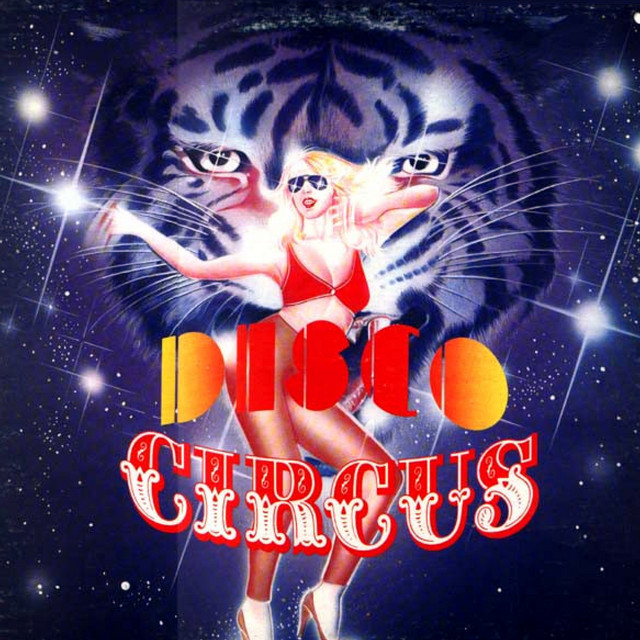
About Deep disco
Deep disco is a mood-first branch of disco that leans into warmth, weighty bass, and the hypnotic tug of a long groove. It favors late-night reverie over the pulsing peak, yet keeps a dancefloor heartbeat. You hear velvet chords, muted brass, punchy, rounded basslines, and carefully engineered hiss and space. Vocals, when present, are often treated with reverb or filtered to feel distant, like a whisper in a dim club. The tempo sits in the dance-friendly range, roughly mid-tempo, inviting movement and listening.
Origins: Disco's explosion in the mid-to-late 1970s gave way to many offshoots. Deep disco grew out of the same DNA but emphasized mood, texture and groove; after the Balearic and Italo-disco currents of the early 80s, DJs in Europe—Ibiza's sunset sets, Italy's club culture, and later London's burgeoning scene—began to push disco toward more expansive, cinematic sonics. Pioneers like DJ Harvey helped codify a deep, cosmic disco attitude in club sets, mixing long percussive workouts with lush threads of melody. By design, deep disco sits at the intersection of disco, funk, and early house.
Through the 1990s and into the new millennium, the label world and the DJ circuits reframed those grooves under nu-disco and space disco. Tracks leaned on analog synth warmth, disco-string arrangements, and bass that moved a dancefloor and invited close listening. In contemporary practice, deep disco is as much a method of production—careful layering, saturation, and a sense of spaciousness—as a label category. It thrives on remix culture, where producers rework a classic groove into a modern version.
Ambassadors and representative acts include names tied to the deeper end of disco-inflected music: DJ Harvey and his mood-driven sets; The Juan Maclean, whose DFA-era productions balanced pop hooks with hypnotic disco mechanics; Crazy P, the UK trio whose tracks fuse soulful vocals with bass-forward grooves; and European neo-disco voices like Lindstrøm and Todd Terje, who expanded disco's palette into spacey, cinematic textures while staying danceable. These artists are widely cited as touchstones for the deep disco vibe, crossing into related scenes.
Geography: deep disco has found homes across Europe—Italy, the UK, Germany in particular—while also thriving in North American scenes (New York, Chicago, Los Angeles) and in Australia and Japan, where soulful, groove-driven dance music has a dedicated audience. It's popular among crate-diggers who prize warmth and analog charm, as well as younger producers who sample or reinterpret dusty grooves for modern clubs. Festivals and club nights around the world that celebrate disco-infused sounds often spotlight deep disco sets, bridging the gap between archival reissues and fresh, contemporary productions. In practice, deep disco rewards attentive listening as much as dance-floor energy.
Sound cues and listening suggestions: look for tracks with a prominent, warm bassline, extended instrumental breaks, and a production timeline that emphasizes natural-sounding drums and live-feel percussion. Expect mid-tempo tempos, lush chords, and a sense of space—room reverb, echo on the snare, and occasional spoken-word samples. Deep disco rewards repeated listening, revealing hidden melodies in the bass, and a groove that stays with you beyond the last bar.
Origins: Disco's explosion in the mid-to-late 1970s gave way to many offshoots. Deep disco grew out of the same DNA but emphasized mood, texture and groove; after the Balearic and Italo-disco currents of the early 80s, DJs in Europe—Ibiza's sunset sets, Italy's club culture, and later London's burgeoning scene—began to push disco toward more expansive, cinematic sonics. Pioneers like DJ Harvey helped codify a deep, cosmic disco attitude in club sets, mixing long percussive workouts with lush threads of melody. By design, deep disco sits at the intersection of disco, funk, and early house.
Through the 1990s and into the new millennium, the label world and the DJ circuits reframed those grooves under nu-disco and space disco. Tracks leaned on analog synth warmth, disco-string arrangements, and bass that moved a dancefloor and invited close listening. In contemporary practice, deep disco is as much a method of production—careful layering, saturation, and a sense of spaciousness—as a label category. It thrives on remix culture, where producers rework a classic groove into a modern version.
Ambassadors and representative acts include names tied to the deeper end of disco-inflected music: DJ Harvey and his mood-driven sets; The Juan Maclean, whose DFA-era productions balanced pop hooks with hypnotic disco mechanics; Crazy P, the UK trio whose tracks fuse soulful vocals with bass-forward grooves; and European neo-disco voices like Lindstrøm and Todd Terje, who expanded disco's palette into spacey, cinematic textures while staying danceable. These artists are widely cited as touchstones for the deep disco vibe, crossing into related scenes.
Geography: deep disco has found homes across Europe—Italy, the UK, Germany in particular—while also thriving in North American scenes (New York, Chicago, Los Angeles) and in Australia and Japan, where soulful, groove-driven dance music has a dedicated audience. It's popular among crate-diggers who prize warmth and analog charm, as well as younger producers who sample or reinterpret dusty grooves for modern clubs. Festivals and club nights around the world that celebrate disco-infused sounds often spotlight deep disco sets, bridging the gap between archival reissues and fresh, contemporary productions. In practice, deep disco rewards attentive listening as much as dance-floor energy.
Sound cues and listening suggestions: look for tracks with a prominent, warm bassline, extended instrumental breaks, and a production timeline that emphasizes natural-sounding drums and live-feel percussion. Expect mid-tempo tempos, lush chords, and a sense of space—room reverb, echo on the snare, and occasional spoken-word samples. Deep disco rewards repeated listening, revealing hidden melodies in the bass, and a groove that stays with you beyond the last bar.