Genre
detskie rasskazy
Top Detskie rasskazy Artists
Showing 25 of 124 artists

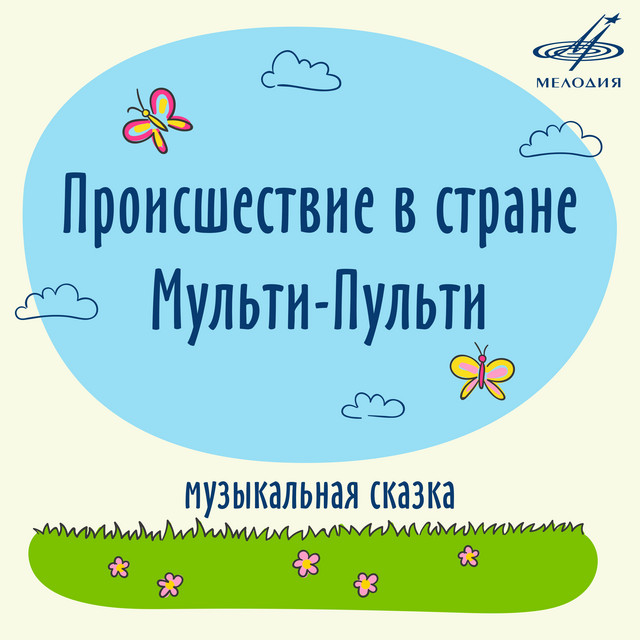
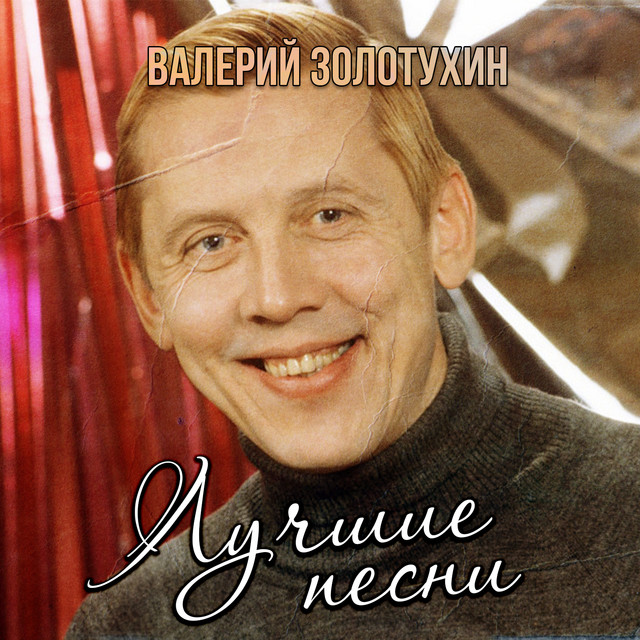
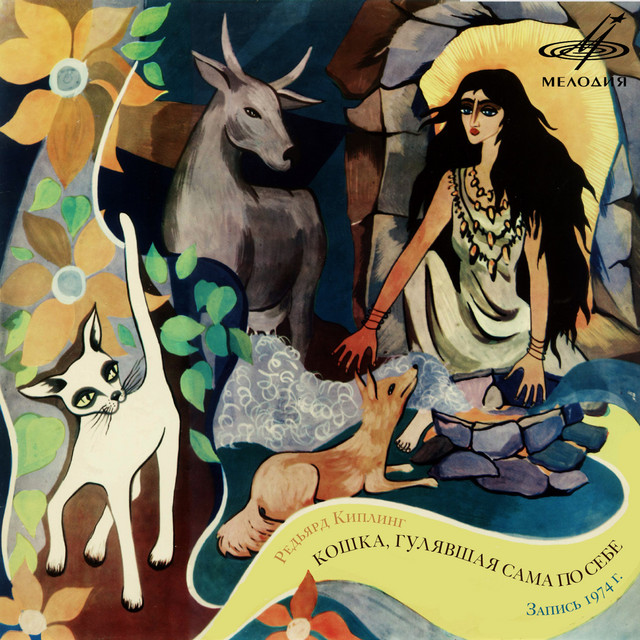
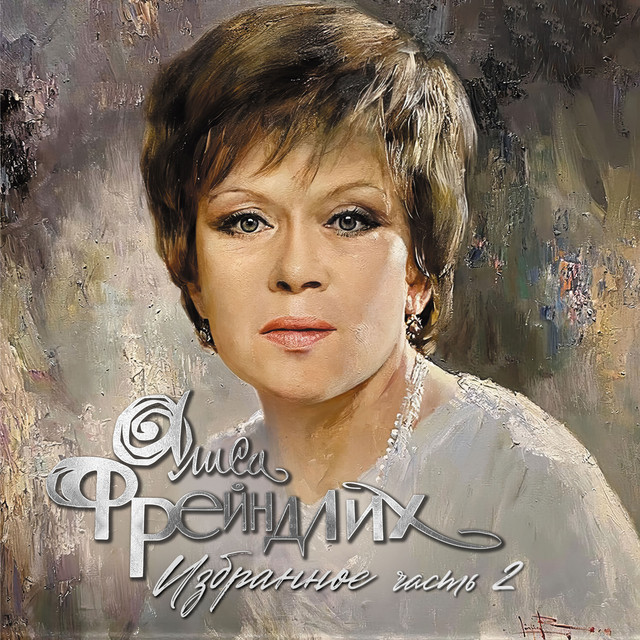









About Detskie rasskazy
Detskie rasskazy ( Детские рассказы, “children’s stories”) is a niche, narrative-oriented strand of electronic music that treats folklore, nursery lore, and spoken word as the primary material for sound. It is less a fixed sonic taxonomy and more a way of listening: a practice that folds storytelling into sound design, creating intimate, often fragile textures where voice, memory, and environment mingle.
Origins and birth
The scene grew out of late-2000s and early-2010s experimental circles in Russian-speaking spaces, a period when artists started to foreground spoken word and storytelling as legitimate musical building blocks. It drew inspiration from traditional fairy tales, lullabies, and children’s radio plays, reimagined through ambient atmospheres, minimal percussion, and gentle glitch. Rather than a single origin country, detskie rasskazy emerged as a cross-border conversation in which Moscow and St. Petersburg laboratories, Baltic independent scenes, and diaspora audiences shared a fascination with narrative sonic worlds. The result is a genre you encounter mostly in intimate venues, artist-run spaces, and digital collectives that love to pair text, illustration, and sound.
sonic fingerprints and practice
Tracks in this vein tend to rely on dialogue or narration—often spoken in the mother tongue of the artist—layered under plush pads, improvised piano, acoustic strings, toy instruments, and carefully decayed samples. The emotional palette ranges from lullaby-soft to spectral and uncanny, with reverberant rooms, field recordings, and ambient textures providing atmosphere. The tempo is typically slow to mid, inviting careful listening and contemplation rather than dance floor momentum. Much of the material feels like a sonic bedtime story that has wandered into a dream, where the familiar turns unfamiliar and the margins between childhood and memory blur.
Ambassadors and key figures
In discourses around detskie rasskazy, a small cadre of producers and collectives are repeatedly cited as ambassadors of the approach. These figures champion the idea that a narrative arc or a spoken line can carry the same weight as melody and rhythm. Their releases and performances emphasize storytelling as a compositional pillar, often collaborating with illustrators, poets, and filmmakers to present a cohesive, multimedia experience. Rather than a single star, the genre’s ambassadors are best understood as a network of artists who consistently foreground voice, text, and narrative through electronic means; they operate across a spectrum from neo-classical to experimental folk-inflected electronics.
Geography and popularity
Detskie rasskazy is most visible in Russian-speaking contexts—Russia, Ukraine, Belarus, and Central Asian communities—where language and folklore provide immediate cultural resonance. It also finds audience in the Baltic states and among Eastern European listeners who respond to the storytelling angle and intimate sonic textures. In Western markets, attention tends to arrive via specialized festivals, art-society concerts, and online communities that value boundary-pushing narrative music. The genre’s popularity hinges on a curiosity for memory, childhood, and the uncanny in sound, rather than on commercial criteria, which helps it endure as a distinct, exploratory niche.
Why it matters to listeners
For music enthusiasts, detskie rasskazy offers a refreshing counterpoint to louder, more overt electronic genres. It rewards attentive listening, invites reflection, and foregrounds vulnerability and memory as legitimate artistic vocabularies. If you’re drawn to soundtracks of the imagination, lullaby textures, and stories that unfold through sound rather than through spoken word alone, detskie rasskazy provides a gentle doorway into a world where childhood tales become living sound.
Origins and birth
The scene grew out of late-2000s and early-2010s experimental circles in Russian-speaking spaces, a period when artists started to foreground spoken word and storytelling as legitimate musical building blocks. It drew inspiration from traditional fairy tales, lullabies, and children’s radio plays, reimagined through ambient atmospheres, minimal percussion, and gentle glitch. Rather than a single origin country, detskie rasskazy emerged as a cross-border conversation in which Moscow and St. Petersburg laboratories, Baltic independent scenes, and diaspora audiences shared a fascination with narrative sonic worlds. The result is a genre you encounter mostly in intimate venues, artist-run spaces, and digital collectives that love to pair text, illustration, and sound.
sonic fingerprints and practice
Tracks in this vein tend to rely on dialogue or narration—often spoken in the mother tongue of the artist—layered under plush pads, improvised piano, acoustic strings, toy instruments, and carefully decayed samples. The emotional palette ranges from lullaby-soft to spectral and uncanny, with reverberant rooms, field recordings, and ambient textures providing atmosphere. The tempo is typically slow to mid, inviting careful listening and contemplation rather than dance floor momentum. Much of the material feels like a sonic bedtime story that has wandered into a dream, where the familiar turns unfamiliar and the margins between childhood and memory blur.
Ambassadors and key figures
In discourses around detskie rasskazy, a small cadre of producers and collectives are repeatedly cited as ambassadors of the approach. These figures champion the idea that a narrative arc or a spoken line can carry the same weight as melody and rhythm. Their releases and performances emphasize storytelling as a compositional pillar, often collaborating with illustrators, poets, and filmmakers to present a cohesive, multimedia experience. Rather than a single star, the genre’s ambassadors are best understood as a network of artists who consistently foreground voice, text, and narrative through electronic means; they operate across a spectrum from neo-classical to experimental folk-inflected electronics.
Geography and popularity
Detskie rasskazy is most visible in Russian-speaking contexts—Russia, Ukraine, Belarus, and Central Asian communities—where language and folklore provide immediate cultural resonance. It also finds audience in the Baltic states and among Eastern European listeners who respond to the storytelling angle and intimate sonic textures. In Western markets, attention tends to arrive via specialized festivals, art-society concerts, and online communities that value boundary-pushing narrative music. The genre’s popularity hinges on a curiosity for memory, childhood, and the uncanny in sound, rather than on commercial criteria, which helps it endure as a distinct, exploratory niche.
Why it matters to listeners
For music enthusiasts, detskie rasskazy offers a refreshing counterpoint to louder, more overt electronic genres. It rewards attentive listening, invites reflection, and foregrounds vulnerability and memory as legitimate artistic vocabularies. If you’re drawn to soundtracks of the imagination, lullaby textures, and stories that unfold through sound rather than through spoken word alone, detskie rasskazy provides a gentle doorway into a world where childhood tales become living sound.