Genre
dirty texas rap
Top Dirty texas rap Artists
Showing 14 of 14 artists




About Dirty texas rap
Dirty Texas rap is a subset of the Dirty South that centers Texas storytelling, tough drums, and a swaggering, often laconic delivery. It blends street-level realism with bold, cinematic production and a sonic sense of place that feels distinctly Texan—from the bayous of the Gulf Coast to the urban grit of Houston’s streets.
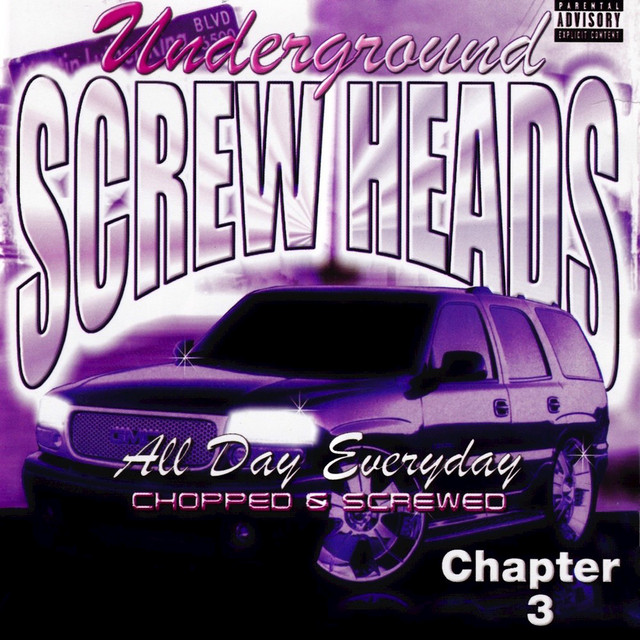
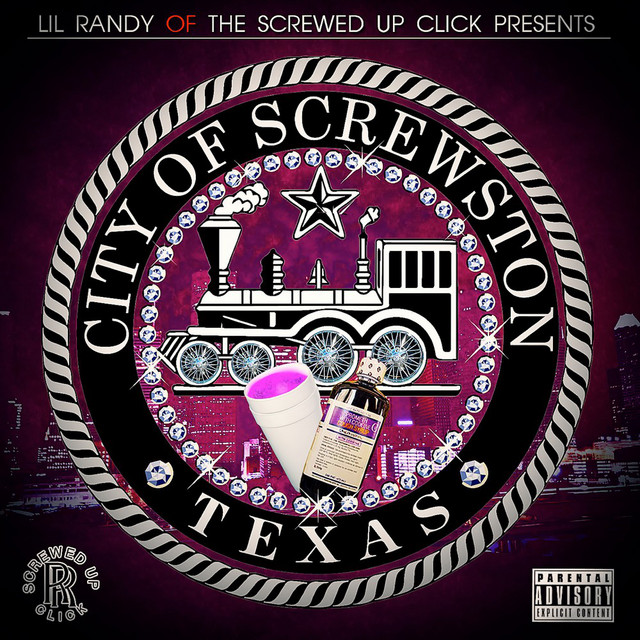
Origins are anchored in the late 1980s and early 1990s, with Houston and the Gulf Coast playing pivotal roles. The Geto Boys helped shape a brutal, unflinching mode of rap that spoke directly to urban life, poverty, and survival. Across the ponds and plains of Texas, UGK (Port Arthur’s Bun B and Pimp C) fused Texas grit with Southern rhythms, creating a blueprint for a homegrown, home-state voice that would travel far beyond its borders. The sound took on new texture with DJ Screw from Houston, whose slowed-and-chopped “Screwed” technique—peering into melancholy mood and stretched syllables—became a defining Texas practice. Screwed and chopped versions of tracks became a cultural signpost, signaling an approach to tempo, mood, and density that many associate with Dirty Texas rap.
Ambassadors and key figures run through three generations. The Geto Boys—Scarface, Bushwick Bill, and Willie D—offered some of the earliest, most brutal street narratives that could still hit a universal nerve. UGK’s Bun B and Pimp C carried Texas storytelling to national stages, emphasizing resilience, hustling, and camaraderie. In the 2000s and beyond, a strong Texas roster carried the torch: Slim Thug, Z-Ro, Lil’ Keke, Paul Wall, Chamillionaire, and Lil’ Flip became synonymous with a Texas flavor—hooky choruses, clever slang, and punchy verses that could ride both party tracks and more contemplative urban storytelling. Trae the Truth and other Houston voices kept the city’s intensity alive, while Dallas-Forth Worth and other Texan scenes contributed their own local color to the larger picture.
In terms of reach, Dirty Texas rap remains most popular in the United States, with Texas at its core and the broader Southern states close behind. It has cultivated dedicated followings in Mexico and Latin America, where cross-border collaborations and bilingual exchanges have helped widen its appeal. In Europe and other regions, it exists as a niche within the wider Dirty South and trap ecosystems, prized by enthusiasts who seek the muscular, unpolished vibe and the Texas mood rather than mainstream pop-leaning hip-hop.
Musically, Dirty Texas rap leans on heavy 808 bass, crisp but assertive snares, and a tempo that can glide from measured to hypnotic. The Screwed approach—slower tempos and deliberate phrasing—offers a counterpoint to more brisk, club-oriented bangers and highlights a storytelling cadence that suits street narratives, pride in one’s city, and the rough edges of daily life. Lyrically, it ranges from hard-edged bravado to intimate portraits of struggle, loyalty, and community, often anchored by a distinctly Texas sense of place—cityscape skylines, highway miles, and the shapes of Texas neighborhoods.
In short, Dirty Texas rap is a storied, evolving voice within hip-hop: a gritty, proud, unmistakably Texan strand of the larger Southern rap family, continually redefined by its artists, its producers, and the listener’s ear for that hard-hitting, honest Texas truth.
Origins are anchored in the late 1980s and early 1990s, with Houston and the Gulf Coast playing pivotal roles. The Geto Boys helped shape a brutal, unflinching mode of rap that spoke directly to urban life, poverty, and survival. Across the ponds and plains of Texas, UGK (Port Arthur’s Bun B and Pimp C) fused Texas grit with Southern rhythms, creating a blueprint for a homegrown, home-state voice that would travel far beyond its borders. The sound took on new texture with DJ Screw from Houston, whose slowed-and-chopped “Screwed” technique—peering into melancholy mood and stretched syllables—became a defining Texas practice. Screwed and chopped versions of tracks became a cultural signpost, signaling an approach to tempo, mood, and density that many associate with Dirty Texas rap.
Ambassadors and key figures run through three generations. The Geto Boys—Scarface, Bushwick Bill, and Willie D—offered some of the earliest, most brutal street narratives that could still hit a universal nerve. UGK’s Bun B and Pimp C carried Texas storytelling to national stages, emphasizing resilience, hustling, and camaraderie. In the 2000s and beyond, a strong Texas roster carried the torch: Slim Thug, Z-Ro, Lil’ Keke, Paul Wall, Chamillionaire, and Lil’ Flip became synonymous with a Texas flavor—hooky choruses, clever slang, and punchy verses that could ride both party tracks and more contemplative urban storytelling. Trae the Truth and other Houston voices kept the city’s intensity alive, while Dallas-Forth Worth and other Texan scenes contributed their own local color to the larger picture.
In terms of reach, Dirty Texas rap remains most popular in the United States, with Texas at its core and the broader Southern states close behind. It has cultivated dedicated followings in Mexico and Latin America, where cross-border collaborations and bilingual exchanges have helped widen its appeal. In Europe and other regions, it exists as a niche within the wider Dirty South and trap ecosystems, prized by enthusiasts who seek the muscular, unpolished vibe and the Texas mood rather than mainstream pop-leaning hip-hop.
Musically, Dirty Texas rap leans on heavy 808 bass, crisp but assertive snares, and a tempo that can glide from measured to hypnotic. The Screwed approach—slower tempos and deliberate phrasing—offers a counterpoint to more brisk, club-oriented bangers and highlights a storytelling cadence that suits street narratives, pride in one’s city, and the rough edges of daily life. Lyrically, it ranges from hard-edged bravado to intimate portraits of struggle, loyalty, and community, often anchored by a distinctly Texas sense of place—cityscape skylines, highway miles, and the shapes of Texas neighborhoods.
In short, Dirty Texas rap is a storied, evolving voice within hip-hop: a gritty, proud, unmistakably Texan strand of the larger Southern rap family, continually redefined by its artists, its producers, and the listener’s ear for that hard-hitting, honest Texas truth.