Genre
diva house
Top Diva house Artists
Showing 25 of 27 artists





About Diva house
Diva house is the most theatrical, vocal-forward strain of house music, designed to lift the crowd with big, emotional female performances. It sits at the intersection of soulful, gospel-tinged melodies, soaring choruses, and four-on-the-floor grooves that give clubgoers a sense of celebration and release. The result is music that feels like a parade on a dancefloor: pressurized bass, bright piano stabs, expansive pads, and voices that ride above the bassline like anthems.
Origins and birth of the sound are tied to the broader history of vocal house. In the late 1980s and early 1990s, Chicago and New York’s house and garage scenes gave rise to powerful, gospel- and soul-infused vocal tracks. Diva house as a distinct vibe crystallized a few years later, as European clubs—especially in the UK and Italy—began championing tracks where the vocal performance could become a lead instrument in its own right. The result was a new kind of festival-ready house: emotionally direct, melodically expansive, and built for the moment when the lights come on and the bass drops.
What sets diva house apart is not just the presence of a strong vocal—it’s the way the voice is treated as a central, larger-than-life element. You’ll hear uplifting chord progressions, often with gospel-inspired call-and-response sections, glossy strings, and big builds that crest into euphoric drops. The production favors crisp vocal clarity, reverb-drenched spaces, and crowd-chant hooks that could be sung back by thousands. The aim is anthemic empowerment: music that makes dancers feel invincible, even if only for a single song’s length.
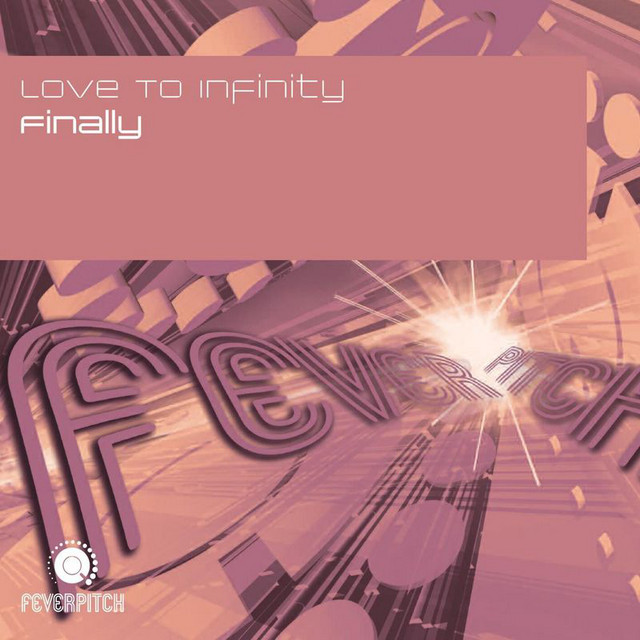
Key touchstones and ambassadors of the diva house ethos include unmistakable female vocal performances that became indelible on the dancefloor. Examples often cited in the lineage are Robin S. with Show Me Love, a 1993 track that helped define the era’s sense of grandeur; CeCe Peniston with Finally, a late-’80s/early-’90s staple that bridged mainstream house and club culture; Crystal Waters with Gypsy Woman, whose sly, soulful lift became a blueprint for vocal-driven energy; and Barbara Tucker with I Get Lifted or Beautiful People, tracks that epitomize the era’s uplifting, community-centered vibe. These voices became touchstones for producers and DJs who wanted to craft moments that felt communal, inclusive, and unequivocally celebratory.
Diva house has found strong footholds in several regions. It has thrived in the United Kingdom and Italy, where club brands and big-room remixes brought the sound to festival-sized audiences. It’s also popular in the United States—especially in and around Chicago, New York, and Florida—where the tradition of vocal-house communities remains influential. Beyond Europe and North America, Spain (particularly Ibiza-influenced nights), Brazil (São Paulo and Rio’s thriving club scenes), Greece, and parts of Eastern Europe have embraced the style, often mixing it with regional dance-floor flavors. In the streaming era, diva-inspired vocals continue to surface in modern vocal-house and EDM remixes, ensuring the sound’s continued relevance while evolving with contemporary production palettes.
Today, diva house lives on in both classic reissues and fresh productions, carried by DJs who prize vocal-led storytelling as the heartbeat of the dancefloor. It remains a genre where a single, powerful vocal line can turn a club into a chorus, and where collective euphoria is never out of reach.
Origins and birth of the sound are tied to the broader history of vocal house. In the late 1980s and early 1990s, Chicago and New York’s house and garage scenes gave rise to powerful, gospel- and soul-infused vocal tracks. Diva house as a distinct vibe crystallized a few years later, as European clubs—especially in the UK and Italy—began championing tracks where the vocal performance could become a lead instrument in its own right. The result was a new kind of festival-ready house: emotionally direct, melodically expansive, and built for the moment when the lights come on and the bass drops.
What sets diva house apart is not just the presence of a strong vocal—it’s the way the voice is treated as a central, larger-than-life element. You’ll hear uplifting chord progressions, often with gospel-inspired call-and-response sections, glossy strings, and big builds that crest into euphoric drops. The production favors crisp vocal clarity, reverb-drenched spaces, and crowd-chant hooks that could be sung back by thousands. The aim is anthemic empowerment: music that makes dancers feel invincible, even if only for a single song’s length.
Key touchstones and ambassadors of the diva house ethos include unmistakable female vocal performances that became indelible on the dancefloor. Examples often cited in the lineage are Robin S. with Show Me Love, a 1993 track that helped define the era’s sense of grandeur; CeCe Peniston with Finally, a late-’80s/early-’90s staple that bridged mainstream house and club culture; Crystal Waters with Gypsy Woman, whose sly, soulful lift became a blueprint for vocal-driven energy; and Barbara Tucker with I Get Lifted or Beautiful People, tracks that epitomize the era’s uplifting, community-centered vibe. These voices became touchstones for producers and DJs who wanted to craft moments that felt communal, inclusive, and unequivocally celebratory.
Diva house has found strong footholds in several regions. It has thrived in the United Kingdom and Italy, where club brands and big-room remixes brought the sound to festival-sized audiences. It’s also popular in the United States—especially in and around Chicago, New York, and Florida—where the tradition of vocal-house communities remains influential. Beyond Europe and North America, Spain (particularly Ibiza-influenced nights), Brazil (São Paulo and Rio’s thriving club scenes), Greece, and parts of Eastern Europe have embraced the style, often mixing it with regional dance-floor flavors. In the streaming era, diva-inspired vocals continue to surface in modern vocal-house and EDM remixes, ensuring the sound’s continued relevance while evolving with contemporary production palettes.
Today, diva house lives on in both classic reissues and fresh productions, carried by DJs who prize vocal-led storytelling as the heartbeat of the dancefloor. It remains a genre where a single, powerful vocal line can turn a club into a chorus, and where collective euphoria is never out of reach.