Genre
dombra
Top Dombra Artists
Showing 11 of 11 artists

About Dombra
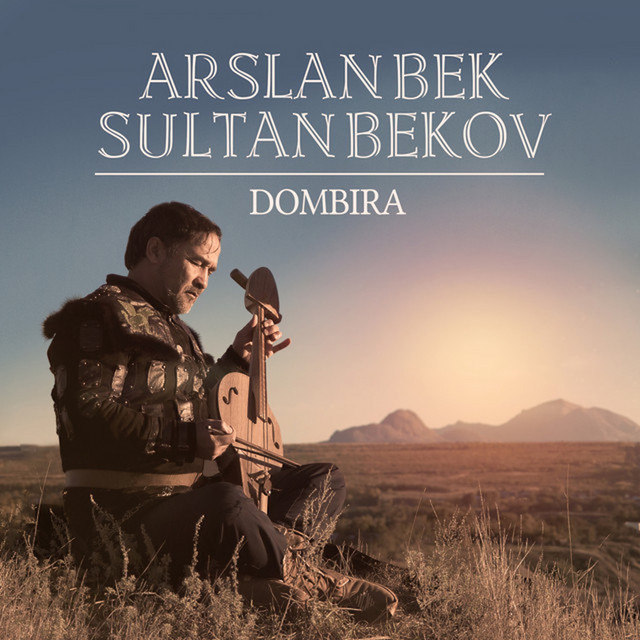
Dombra music, or the dombra tradition, is a Central Asian sonic world built around a long-necked lute with a bright, singing timbre. Though the instrument itself is ancient in its roots, the genre as a living practice crystallized in Kazakh and Kyrgyz musical culture and has radiated outward to diaspora communities and world-music circles. It’s a tradition defined more by texture, technique, and repertoire than by a single “style,” and its appeal lies in the way a two-string instrument can conjure vast landscapes with minimal means.
Origins and birth of the tradition
The dombra emerged on the Central Asian steppe as a practical, portable voice for poets, storytellers, and musicians. Its two strings, wooden body, and fretted neck allow for crisp melodic lines, rhythm, and occasional drone-like bass support. Over centuries, the dombra became inseparable from epic storytelling and social gatherings, where a solo dombra performance could carry the mood of a wedding, a rite of passage, or a village gathering. The genre’s repertoire grew to include instrumental pieces, epic accompaniments, and improvisational singing styles that could stretch a performance into hours. By the 18th and 19th centuries, the dombra had become a symbol of Kazakh musical identity, with composers and virtuosi shaping its classical core and passing it down through generations.
Key figures and ambassadors
Kurmangazy Sagyrbauly is the name most often cited as the canonical ambassador of dombra tradition. A towering figure in Kazakh music from the 19th century, he codified much of the repertoire and set standards for dombra technique, tone, and phrasing that continue to influence players today. His work helped elevate the dombra from folk accompaniment to a concert-ready instrument, capable of lyrical invention and sustained, virtuosic playing.
In the modern era, the dombra has found ambassadors through conservatories, festivals, and cross-cultural collaborations. Today’s players—whether soloists, ensemble leaders, or teachers—continue to expand the instrument’s vocabulary by blending traditional motifs with contemporary ideas, including fusion with jazz, classical, and electronic textures. The dombra’s presence in world-music programs, cultural festivals, and university programs around the globe has helped it reach new audiences while preserving its distinctive Central Asian identity.
Geography and popularity
The instrument remains most popular in Kazakhstan and Kyrgyzstan, where it is deeply embedded in regional folk music, epic poetry (zhyrau and Manas legends), weddings, and everyday life. Beyond the borders of these core regions, the dombra has a strong presence in Xinjiang’s Kazakh and Kyrgyz communities, in parts of Uzbekistan, and among Central Asian diaspora circles in Russia and Europe. In recent decades, it has also attracted listeners in North America and Western Europe through world-music festivals, specialized radio programs, and hybrid projects that pair the dombra with other traditions.
Sound and technique
Sonically, the dombra carries a bright, piercing treble with a resonant bass that answers the melody. Players often use a mix of plucked, strummed, and plucked–with-ornamentation approaches, creating melodies that can be precise and almost vocal in quality. The repertoire rewards subtle micro-phrasing, precise fretting, and expressive dynamics, hallmarks that fascinate music enthusiasts who seek a direct, atmospheric musical voice.
If you’re exploring this genre, start with the canonical recordings of Kurmangazy and seek contemporary performances from conservatory-trained dombra players and ensembles. You’ll hear a tradition rooted in history yet eagerly expanding its horizons for today’s adventurous listeners. If you’d like, I can tailor a listening list or expand on a particular regional variant of dombra repertoire.
Origins and birth of the tradition
The dombra emerged on the Central Asian steppe as a practical, portable voice for poets, storytellers, and musicians. Its two strings, wooden body, and fretted neck allow for crisp melodic lines, rhythm, and occasional drone-like bass support. Over centuries, the dombra became inseparable from epic storytelling and social gatherings, where a solo dombra performance could carry the mood of a wedding, a rite of passage, or a village gathering. The genre’s repertoire grew to include instrumental pieces, epic accompaniments, and improvisational singing styles that could stretch a performance into hours. By the 18th and 19th centuries, the dombra had become a symbol of Kazakh musical identity, with composers and virtuosi shaping its classical core and passing it down through generations.
Key figures and ambassadors
Kurmangazy Sagyrbauly is the name most often cited as the canonical ambassador of dombra tradition. A towering figure in Kazakh music from the 19th century, he codified much of the repertoire and set standards for dombra technique, tone, and phrasing that continue to influence players today. His work helped elevate the dombra from folk accompaniment to a concert-ready instrument, capable of lyrical invention and sustained, virtuosic playing.
In the modern era, the dombra has found ambassadors through conservatories, festivals, and cross-cultural collaborations. Today’s players—whether soloists, ensemble leaders, or teachers—continue to expand the instrument’s vocabulary by blending traditional motifs with contemporary ideas, including fusion with jazz, classical, and electronic textures. The dombra’s presence in world-music programs, cultural festivals, and university programs around the globe has helped it reach new audiences while preserving its distinctive Central Asian identity.
Geography and popularity
The instrument remains most popular in Kazakhstan and Kyrgyzstan, where it is deeply embedded in regional folk music, epic poetry (zhyrau and Manas legends), weddings, and everyday life. Beyond the borders of these core regions, the dombra has a strong presence in Xinjiang’s Kazakh and Kyrgyz communities, in parts of Uzbekistan, and among Central Asian diaspora circles in Russia and Europe. In recent decades, it has also attracted listeners in North America and Western Europe through world-music festivals, specialized radio programs, and hybrid projects that pair the dombra with other traditions.
Sound and technique
Sonically, the dombra carries a bright, piercing treble with a resonant bass that answers the melody. Players often use a mix of plucked, strummed, and plucked–with-ornamentation approaches, creating melodies that can be precise and almost vocal in quality. The repertoire rewards subtle micro-phrasing, precise fretting, and expressive dynamics, hallmarks that fascinate music enthusiasts who seek a direct, atmospheric musical voice.
If you’re exploring this genre, start with the canonical recordings of Kurmangazy and seek contemporary performances from conservatory-trained dombra players and ensembles. You’ll hear a tradition rooted in history yet eagerly expanding its horizons for today’s adventurous listeners. If you’d like, I can tailor a listening list or expand on a particular regional variant of dombra repertoire.