Genre
draaiorgel
Top Draaiorgel Artists
Showing 19 of 19 artists


About Draaiorgel
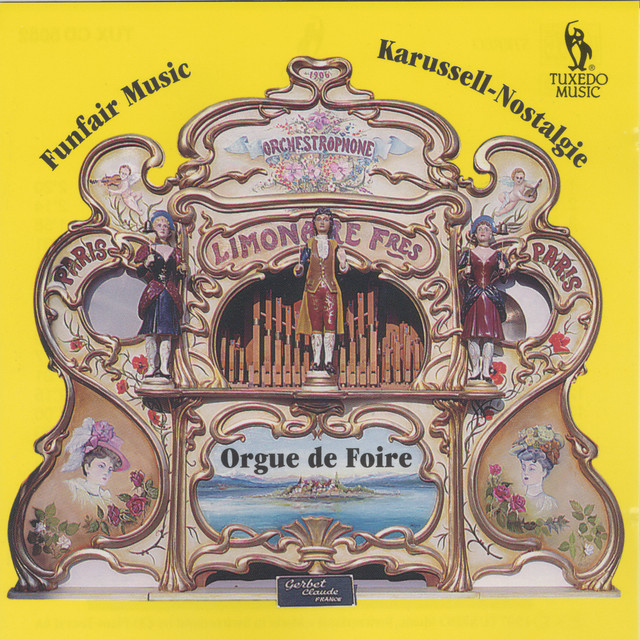
Draaiorgel is the Dutch name for the street mechanical organ, a portable, wind-powered instrument designed to entertain crowds on city squares, near harbors, and along fairgrounds. More than a device, it is a whole soundscape: a compact orchestra housed in a carved wooden case, its pipes breathing out cheerful tunes as a crank is turned and bellows pump air into the wind chest. The genre—as a living tradition and a cultural practice—belongs to the broader family of automatic or mechanical instruments that flourished in Europe from the 18th into the early 20th century.
Origins and birth of the style
Draaiorgels grew from earlier barrel organs and street wind instruments that traveled with traveling players and street vendors. In the 19th century, these machines became more standardized and affordable thanks to mass production and the proliferation of cylindrical or disc-based music storage. A draaiorgel typically encodes a melody on a pinned cylinder or perforated disc; as the operator keeps turning the crank, the pins or holes trigger pipes and percussive elements, producing a tuneful, instantly recognizable timbre. The instrument’s charm lies in its combination of mechanical ingenuity and folk- and pop-inspired repertoire, which could be swapped in and out by exchanging cylinders or discs.
Repertoire and sound
What you hear is direct, theatrical, and instantly communicative. Melodies range from waltzes and polkas to marches, foxtrots, operetta tunes, and popular songs of the late 19th and early 20th centuries. The left-hand mechanics often provide a predictable, rhythmic accompaniment, sometimes with a bass drone or a simple chordal figure, creating a bright, nostalgic texture that travels well in a street setting. The sound occupies a small, bite-sized acoustic space—sunlit, tinny, and warm all at once—evoking seaside piers, market days, and carnival atmospheres.
Geography and cultural footprint
Draaiorgels are most closely associated with the Netherlands and Flanders, where the street-organ culture became a distinctive facet of urban life. They also found popularity in parts of Germany and Denmark, and their influence can be heard in seaside resort culture across northern Europe. Today, the genre persists primarily through preservation, restoration, and revival: museums and private collectors maintain historic machines, while contemporary enthusiasts organize festivals, photo essays, and recordings that keep the repertoire alive for new generations.
Ambassadors and key figures
Because draaiorgel is as much a tradition as a genre, its “ambassadors” are not only celebrated solo artists but also the living custodians of a craft: the instrument makers who designed and repaired cylinders and wind mechanisms, the street organists who carried the music from town to town, and the archivists who curate cylinders, discs, and repertoire. In the modern scene, revivalists and conservators play a crucial role: they document performances, restore classic draaiorgels, and stage concerts that reveal the instrument’s historical and cultural value. While there are no pop stars in the usual sense, these stewards of the craft act as genuine ambassadors, demonstrating how a crank, a wooden case, and a tuned row of pipes can still spark joy and communal memory in today’s world.
If you’re a music enthusiast, exploring draaiorgel invites you into a pocket of European musical history where technology, folklore, and street life intersect—a reminder that sometimes the most enduring sound is the one you crank up with a smile and a bit of nostalgia.
Origins and birth of the style
Draaiorgels grew from earlier barrel organs and street wind instruments that traveled with traveling players and street vendors. In the 19th century, these machines became more standardized and affordable thanks to mass production and the proliferation of cylindrical or disc-based music storage. A draaiorgel typically encodes a melody on a pinned cylinder or perforated disc; as the operator keeps turning the crank, the pins or holes trigger pipes and percussive elements, producing a tuneful, instantly recognizable timbre. The instrument’s charm lies in its combination of mechanical ingenuity and folk- and pop-inspired repertoire, which could be swapped in and out by exchanging cylinders or discs.
Repertoire and sound
What you hear is direct, theatrical, and instantly communicative. Melodies range from waltzes and polkas to marches, foxtrots, operetta tunes, and popular songs of the late 19th and early 20th centuries. The left-hand mechanics often provide a predictable, rhythmic accompaniment, sometimes with a bass drone or a simple chordal figure, creating a bright, nostalgic texture that travels well in a street setting. The sound occupies a small, bite-sized acoustic space—sunlit, tinny, and warm all at once—evoking seaside piers, market days, and carnival atmospheres.
Geography and cultural footprint
Draaiorgels are most closely associated with the Netherlands and Flanders, where the street-organ culture became a distinctive facet of urban life. They also found popularity in parts of Germany and Denmark, and their influence can be heard in seaside resort culture across northern Europe. Today, the genre persists primarily through preservation, restoration, and revival: museums and private collectors maintain historic machines, while contemporary enthusiasts organize festivals, photo essays, and recordings that keep the repertoire alive for new generations.
Ambassadors and key figures
Because draaiorgel is as much a tradition as a genre, its “ambassadors” are not only celebrated solo artists but also the living custodians of a craft: the instrument makers who designed and repaired cylinders and wind mechanisms, the street organists who carried the music from town to town, and the archivists who curate cylinders, discs, and repertoire. In the modern scene, revivalists and conservators play a crucial role: they document performances, restore classic draaiorgels, and stage concerts that reveal the instrument’s historical and cultural value. While there are no pop stars in the usual sense, these stewards of the craft act as genuine ambassadors, demonstrating how a crank, a wooden case, and a tuned row of pipes can still spark joy and communal memory in today’s world.
If you’re a music enthusiast, exploring draaiorgel invites you into a pocket of European musical history where technology, folklore, and street life intersect—a reminder that sometimes the most enduring sound is the one you crank up with a smile and a bit of nostalgia.