Genre
dreamo
Top Dreamo Artists
Showing 13 of 13 artists



About Dreamo
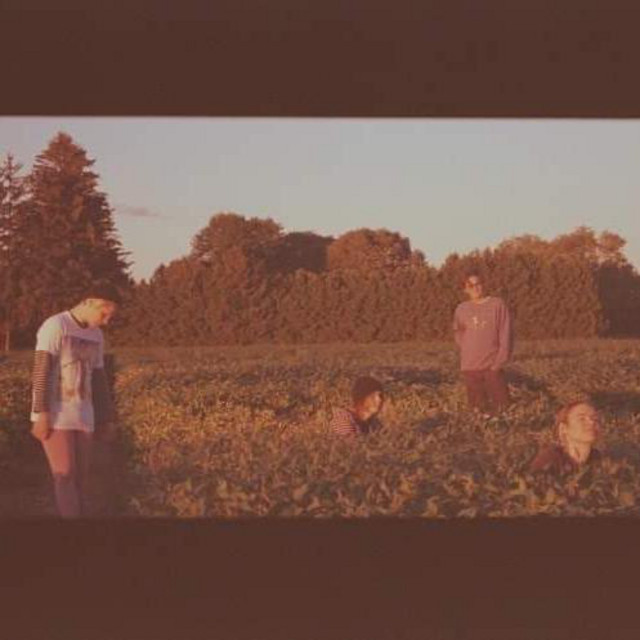
Dreamo is a relatively new umbrella term in indie music discourse, describing a sound that merges dream pop’s hazy, reverb-drenched textures with the intimate, confessional lyricism of emo, all framed by spacious, cinematic arrangements. It’s less a fixed canon than an evolving vibe, stitched together by makers who chase melodies that feel soft at first listen but deepen with repeated plays. While not universally codified, critics often point to a late-2000s to early-2010s inflection point, when bedroom producers began pairing lush pads and chorus-drenched guitar with pointed, emotionally direct storytelling.
The birth of dreamo is best understood as a convergence moment. Advances in affordable digital audio workstations and home-recording gear allowed a generation of artists to layer ethereal guitars, glinting synths, and breathy or softly spoken vocals without major-label backing. Streaming platforms then helped those intimate, slightly imperfect textures travel beyond local scenes, fueling a shared lexicon across continents. In this sense, dreamo emerged not from a single breakout hit but from a constellation of releases that blurred boundaries between dream pop, shoegaze, indie rock, and emo-influenced songwriting.
In practice, the genre favors mood and memory. Expect tremolo-picked guitars or shimmering synth arpeggios that float above a bed of subtle percussion. Vocals range from whisper-thin to gently rasping, always pouring emotion rather than shouting it. Lyrically, dreamo leans into introspection, memory, longing, and small crises that feel weighty when set to a soft, patient groove. The pacing tends to settle around mid-tempo ranges, with dynamic shifts that ring out in quiet-loud arcs or gradually bloom into anthemic, but never bombastic, chorus moments. Production loves space: reverbs, plate echoes, and stereo wideness give the music a sense of distance, as if the listener is peering through a foggy window at a private scene.
Ambassadors and emblematic acts—often named by critics even if they don’t call themselves dreamo—span a spectrum. Beach House remains a touchstone for the dream-pop side, its lush textures and gauzy vocal lines providing a blueprint for mood. On the other end, more guitar-forward acts like Slowdive’s dream-suffused shoegaze lineage inform the genre’s sense of scale. Contemporary voices such as Snail Mail and Soccer Mommy bring emo-inflected lyric sincerity into the fold, while bands like Men I Trust contribute a modern, laid-back, synth-driven warmth that fits the dreamo mood. In this way, dreamo is as much about a philosophy of sound—intimacy through atmosphere—as about a specific roster of artists.
Geographically, dreamo’s strongest footholds are in the United States and United Kingdom, where indie scenes have long embraced reflective, textured music. In recent years, Northern Europe—Germany, Sweden, Denmark—along with Japan and parts of Latin America, have cultivated vibrant dreamo communities, aided by international streaming and festival bookings. For listeners, the genre offers a refuge: music that feels like a reassuring echo, a late-night drive through quiet streets, and a reminder that melancholy can be exquisitely beautiful when wrapped in luminous soundscapes. For creators, dreamo is an invitation to layer emotion under a luminous soundscape, letting the personal become universal with every shimmer.
The birth of dreamo is best understood as a convergence moment. Advances in affordable digital audio workstations and home-recording gear allowed a generation of artists to layer ethereal guitars, glinting synths, and breathy or softly spoken vocals without major-label backing. Streaming platforms then helped those intimate, slightly imperfect textures travel beyond local scenes, fueling a shared lexicon across continents. In this sense, dreamo emerged not from a single breakout hit but from a constellation of releases that blurred boundaries between dream pop, shoegaze, indie rock, and emo-influenced songwriting.
In practice, the genre favors mood and memory. Expect tremolo-picked guitars or shimmering synth arpeggios that float above a bed of subtle percussion. Vocals range from whisper-thin to gently rasping, always pouring emotion rather than shouting it. Lyrically, dreamo leans into introspection, memory, longing, and small crises that feel weighty when set to a soft, patient groove. The pacing tends to settle around mid-tempo ranges, with dynamic shifts that ring out in quiet-loud arcs or gradually bloom into anthemic, but never bombastic, chorus moments. Production loves space: reverbs, plate echoes, and stereo wideness give the music a sense of distance, as if the listener is peering through a foggy window at a private scene.
Ambassadors and emblematic acts—often named by critics even if they don’t call themselves dreamo—span a spectrum. Beach House remains a touchstone for the dream-pop side, its lush textures and gauzy vocal lines providing a blueprint for mood. On the other end, more guitar-forward acts like Slowdive’s dream-suffused shoegaze lineage inform the genre’s sense of scale. Contemporary voices such as Snail Mail and Soccer Mommy bring emo-inflected lyric sincerity into the fold, while bands like Men I Trust contribute a modern, laid-back, synth-driven warmth that fits the dreamo mood. In this way, dreamo is as much about a philosophy of sound—intimacy through atmosphere—as about a specific roster of artists.
Geographically, dreamo’s strongest footholds are in the United States and United Kingdom, where indie scenes have long embraced reflective, textured music. In recent years, Northern Europe—Germany, Sweden, Denmark—along with Japan and parts of Latin America, have cultivated vibrant dreamo communities, aided by international streaming and festival bookings. For listeners, the genre offers a refuge: music that feels like a reassuring echo, a late-night drive through quiet streets, and a reminder that melancholy can be exquisitely beautiful when wrapped in luminous soundscapes. For creators, dreamo is an invitation to layer emotion under a luminous soundscape, letting the personal become universal with every shimmer.