Genre
orchestral
Top Orchestral Artists
Showing 25 of 1,368 artists










About Orchestral
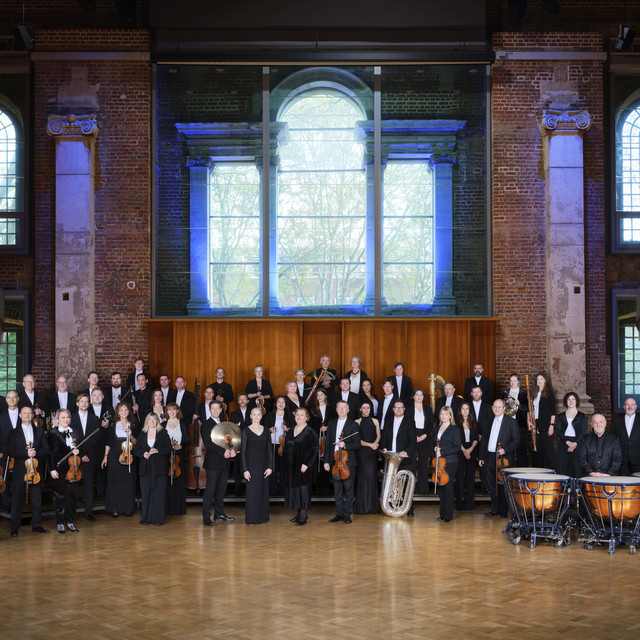
Orchestral music is the art of writing for the full symphony orchestra—an orchestra of strings, woodwinds, brass, percussion, and sometimes choir or extra instruments—crafted to create broad color, architectural form, and dramatic scale. It is a genre built for long-form ideas, sweeping dynamics, and a tapestry of timbres that can paint landscapes as vividly as any solo voice or chamber group.
Its roots lie in the late Renaissance and blossoming Baroque periods, where instrumental ensembles began to accompany sacred and secular music, and where courtly and theatrical settings in Italy, France, and England helped cultivate a sense of orchestral color. By the 18th century the orchestra evolved into a more standardized beast in the hands of composers such as Joseph Haydn and Wolfgang Amadeus Mozart. Haydn’s symphonies popularized the four-movement form and the idea of a self-contained architectural arc, while Mozart refined orchestral elegance and clarity. The elder statesman of the era, Ludwig van Beethoven, pushed the orchestra into new emotional and structural territories, expanding its size and expressive possibilities and turning the symphony into a vehicle for personal and monumental statements.
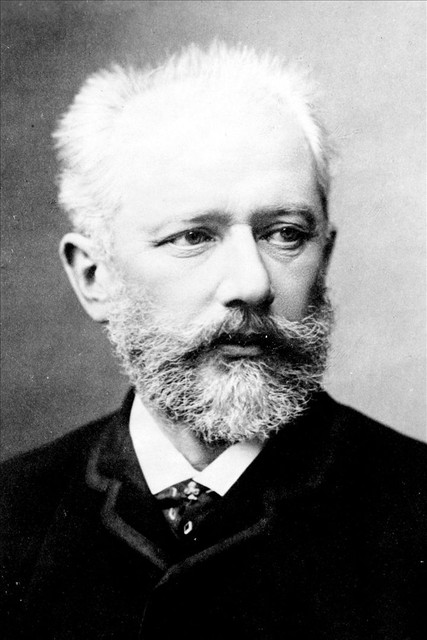
The Romantic era expanded both the orchestra and its ambitions. Hector Berlioz treated the orchestra as a painter treats a canvas, orchestrating for astonishing color and massed effect in works like the Symphonie fantastique. Richard Wagner advanced a dramaturgical vision, using leitmotifs and vast, cohesive sound worlds that demanded continuous orchestral engagement. Gustav Mahler stretched the limits of scale and psychological depth with monumental symphonies that could run beyond an hour, while others such as Pyotr Ilyich Tchaikovsky, Johannes Brahms, and Jean Sibelius explored eloquence, nationalism, and architectural rigor within ever larger orchestral forces. The late-Romantic and early-Modern periods also saw composers such as Claude Debussy, Maurice Ravel, and Igor Stravinsky revolutionizing timbre, rhythm, and orchestration, expanding what orchestral color could mean.
In the 20th century and beyond, orchestral music diversified further. Some composers embraced absolute forms, others pursued programmatic storytelling or experimental sound worlds. Stravinsky’s rhythmic vitality, Schoenberg’s explorations of harmony, Shostakovich’s pointed intensity, and Prokofiev’s lucid nowness are all milestones in orchestral language. The rise of film scores and multimedia projects brought orchestration to even broader audiences, with names like John Williams, Hans Zimmer, and James Horner widely recognized as ambassadors of orchestral storytelling in cinema and media.
Ambassadors of orchestral music are not limited to a single nation. Beethoven’s universal drama, Mahler’s world-spanning symphonies, and Stravinsky’s international transcriptions of style anchor the genre in a global conversation. Today, orchestral music thrives in many countries: Vienna’s and Berlin’s storied halls in Europe; London, New York, and other American cities with iconic orchestras; Moscow, St. Petersburg, and other centers of Russian tradition; and thriving concert scenes in Japan, Australia, Canada, and beyond. For enthusiasts, orchestral music remains a horizon of color, architecture, and emotion: a language of vast scale and intimate detail, capable of chronicling heroism, tragedy, wonder, and joy in a single sweeping gesture.
Its roots lie in the late Renaissance and blossoming Baroque periods, where instrumental ensembles began to accompany sacred and secular music, and where courtly and theatrical settings in Italy, France, and England helped cultivate a sense of orchestral color. By the 18th century the orchestra evolved into a more standardized beast in the hands of composers such as Joseph Haydn and Wolfgang Amadeus Mozart. Haydn’s symphonies popularized the four-movement form and the idea of a self-contained architectural arc, while Mozart refined orchestral elegance and clarity. The elder statesman of the era, Ludwig van Beethoven, pushed the orchestra into new emotional and structural territories, expanding its size and expressive possibilities and turning the symphony into a vehicle for personal and monumental statements.
The Romantic era expanded both the orchestra and its ambitions. Hector Berlioz treated the orchestra as a painter treats a canvas, orchestrating for astonishing color and massed effect in works like the Symphonie fantastique. Richard Wagner advanced a dramaturgical vision, using leitmotifs and vast, cohesive sound worlds that demanded continuous orchestral engagement. Gustav Mahler stretched the limits of scale and psychological depth with monumental symphonies that could run beyond an hour, while others such as Pyotr Ilyich Tchaikovsky, Johannes Brahms, and Jean Sibelius explored eloquence, nationalism, and architectural rigor within ever larger orchestral forces. The late-Romantic and early-Modern periods also saw composers such as Claude Debussy, Maurice Ravel, and Igor Stravinsky revolutionizing timbre, rhythm, and orchestration, expanding what orchestral color could mean.
In the 20th century and beyond, orchestral music diversified further. Some composers embraced absolute forms, others pursued programmatic storytelling or experimental sound worlds. Stravinsky’s rhythmic vitality, Schoenberg’s explorations of harmony, Shostakovich’s pointed intensity, and Prokofiev’s lucid nowness are all milestones in orchestral language. The rise of film scores and multimedia projects brought orchestration to even broader audiences, with names like John Williams, Hans Zimmer, and James Horner widely recognized as ambassadors of orchestral storytelling in cinema and media.
Ambassadors of orchestral music are not limited to a single nation. Beethoven’s universal drama, Mahler’s world-spanning symphonies, and Stravinsky’s international transcriptions of style anchor the genre in a global conversation. Today, orchestral music thrives in many countries: Vienna’s and Berlin’s storied halls in Europe; London, New York, and other American cities with iconic orchestras; Moscow, St. Petersburg, and other centers of Russian tradition; and thriving concert scenes in Japan, Australia, Canada, and beyond. For enthusiasts, orchestral music remains a horizon of color, architecture, and emotion: a language of vast scale and intimate detail, capable of chronicling heroism, tragedy, wonder, and joy in a single sweeping gesture.