Genre
duduk
Top Duduk Artists
Showing 16 of 16 artists





About Duduk
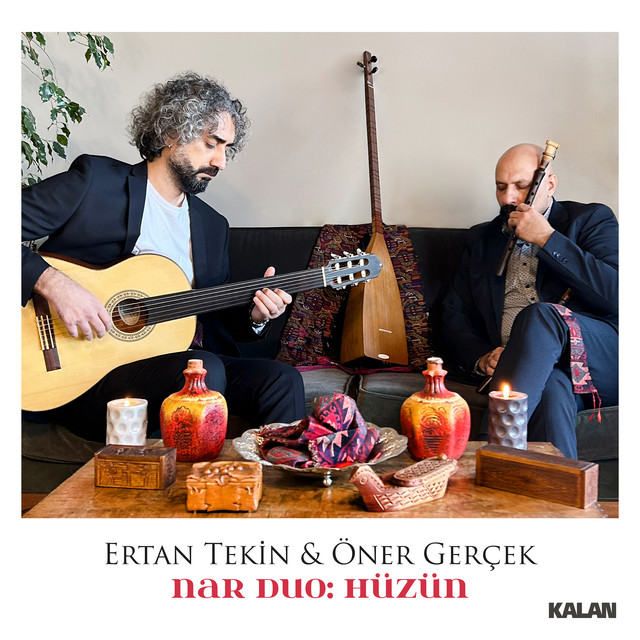
The duduk is one of the most intimate and expressive wind instruments in world music, a sound that seems to cradle memory and longing in its velvet timbre. Native to Armenia, its voice has traveled far beyond its Caucasian cradle to touch film scores, contemporary cross‑cultural projects, and countless performances around the globe. For music enthusiasts, the duduk offers a sonic doorway into a tradition that feels ancient and vividly alive at once.
Origins and what it is like to play
The duduk’s lineage stretches deep into Armenian musical history. While the exact moment of its birth is lost to antiquity, the instrument is routinely linked to ancient Armenia and the medieval period, when builders in the Armenian highlands began refining the design into the compact, end‑mounted double‑reed aerophone known today. The body is typically carved from apricot wood, prized for its warm, resonant colors, and the double reed at the top creates a mellow, sighing attack that unfolds into flowing, singing lines. The technique emphasizes a generous, almost vocal vibrato, subtle micro‑ornamentation, and long, melodic phrasing that can sustain a contemplative, lamentsome mood or blossom into radiant climaxes.
Sound, mood, and musical language
The sound of the duduk is instantly recognizable: intimate, warm, and deeply human. It sits between a human voice and an instrument, capable of sighing glissandos, aching long notes, and a generous, breathy legato. The instrument’s natural temperament lends itself to expressions of nostalgia, longing, and beauty—often described as both mournful and hopeful. In traditional Armenian repertoire, the duduk carries village songs, ritual laments, and intimate solo pieces; in modern settings, it blends seamlessly with jazz, classical orchestration, and electronic textures, proving remarkably versatile for composers and improvisers alike.
Key figures and ambassadors
The duduk found a singular international ambassador in Djivan Gasparyan, whose virtuosic playing and prolific recording output elevated the instrument from regional folk music to a global voice. His artistry has inspired generations of players and helped spawn collaborations across genres. In the next wave, Gasparyan’s descendants and other Armenian musicians—often working within the diaspora—have continued to expand the duduk’s reach, creating contemporary takes that honor tradition while embracing new sonic possibilities. Today, many contemporary ensembles and soloists worldwide champion the duduk, reflecting a living tradition that continues to reinvent itself without losing its core identity.
Geography and cultural footprint
The duduk remains most popular in Armenia and among Armenian communities worldwide, from Russia and the Middle East to the United States, France, Germany, and beyond. It has also found audiences in Caucasus and Persian Gulf regions, as well as in Europe’s world‑music and experimental circles, where its distinctive voice provides a gateway to Armenian culture and a broader curiosity about ancient wind instruments.
Heritage and recognition
In 2008, UNESCO inscribed “The Art of the Duduk” on the Representative List of the Intangible Cultural Heritage of Humanity, acknowledging its role as a living, transmitted tradition that continues to shape communities and artists across generations.
For enthusiasts, the duduk is more than an instrument; it’s a sonic invitation to listen for a history spoken softly in wood, breath, and time. Its music resists quick description and rewards patient listening—precisely the kind of immersion that attracts discerning ears to this remarkable genre.
Origins and what it is like to play
The duduk’s lineage stretches deep into Armenian musical history. While the exact moment of its birth is lost to antiquity, the instrument is routinely linked to ancient Armenia and the medieval period, when builders in the Armenian highlands began refining the design into the compact, end‑mounted double‑reed aerophone known today. The body is typically carved from apricot wood, prized for its warm, resonant colors, and the double reed at the top creates a mellow, sighing attack that unfolds into flowing, singing lines. The technique emphasizes a generous, almost vocal vibrato, subtle micro‑ornamentation, and long, melodic phrasing that can sustain a contemplative, lamentsome mood or blossom into radiant climaxes.
Sound, mood, and musical language
The sound of the duduk is instantly recognizable: intimate, warm, and deeply human. It sits between a human voice and an instrument, capable of sighing glissandos, aching long notes, and a generous, breathy legato. The instrument’s natural temperament lends itself to expressions of nostalgia, longing, and beauty—often described as both mournful and hopeful. In traditional Armenian repertoire, the duduk carries village songs, ritual laments, and intimate solo pieces; in modern settings, it blends seamlessly with jazz, classical orchestration, and electronic textures, proving remarkably versatile for composers and improvisers alike.
Key figures and ambassadors
The duduk found a singular international ambassador in Djivan Gasparyan, whose virtuosic playing and prolific recording output elevated the instrument from regional folk music to a global voice. His artistry has inspired generations of players and helped spawn collaborations across genres. In the next wave, Gasparyan’s descendants and other Armenian musicians—often working within the diaspora—have continued to expand the duduk’s reach, creating contemporary takes that honor tradition while embracing new sonic possibilities. Today, many contemporary ensembles and soloists worldwide champion the duduk, reflecting a living tradition that continues to reinvent itself without losing its core identity.
Geography and cultural footprint
The duduk remains most popular in Armenia and among Armenian communities worldwide, from Russia and the Middle East to the United States, France, Germany, and beyond. It has also found audiences in Caucasus and Persian Gulf regions, as well as in Europe’s world‑music and experimental circles, where its distinctive voice provides a gateway to Armenian culture and a broader curiosity about ancient wind instruments.
Heritage and recognition
In 2008, UNESCO inscribed “The Art of the Duduk” on the Representative List of the Intangible Cultural Heritage of Humanity, acknowledging its role as a living, transmitted tradition that continues to shape communities and artists across generations.
For enthusiasts, the duduk is more than an instrument; it’s a sonic invitation to listen for a history spoken softly in wood, breath, and time. Its music resists quick description and rewards patient listening—precisely the kind of immersion that attracts discerning ears to this remarkable genre.