Genre
duranguense
Top Duranguense Artists
Showing 25 of 473 artists


About Duranguense
Duranguense is a bold, danceable branch of regional Mexican music that crystallized at the turn of the 21st century. Born from the Durango diaspora, it grew in the United States—especially inside immigrant communities in Chicago, Los Angeles, Dallas, and the Midwest—where producers and musicians fused traditional norteño and ranchera sensibilities with electronic production. The result is a high-energy, keyboard-driven sound that captures the club and ballroom spirit of a migratory generation, while still carrying the emotional storytelling and regional pride that define Mexican popular music.
The birth of duranguense sits at a crossroads. In the late 1990s and early 2000s, Duranguense artists began experimenting with digital keyboards, drum machines and synthesized brass to create a punchy, contemporary timbre that could travel on radio as well as in dance halls. Early groups from the Durango region and the Chicago scene that embraced this fusion paved the way for a distinct subgenre. The look and feel of the music—bright synth patches, fast tempos, and a relentless dance-floor drive—made it immediately recognizable and widely exportable. Its appeal spread through Mexican-American communities and beyond, turning Durango into a household name in a new musical landscape.
Musically, duranguense is marked by a brisk tempo, typically around 120 to 140 beats per minute, with a heavy emphasis on electronic percussion and keyboard-generated horn and brass textures. The traditional bajo sexto and bass often ground the arrangements, but the most striking feature is the prominence of synth-driven brass lines and punchy, polished drum programming. The vocal style tends to be emotive and declarative, with choruses designed to lodge in the listener’s memory and invite easy participation on the dance floor. The overall aesthetic is glossy and highly produced, designed for large venues, festival stages, and radio airplay alike. While it borrows elements from banda, norteño, and cumbia, duranguense remains distinctly identified by its digital, danceable temperament.
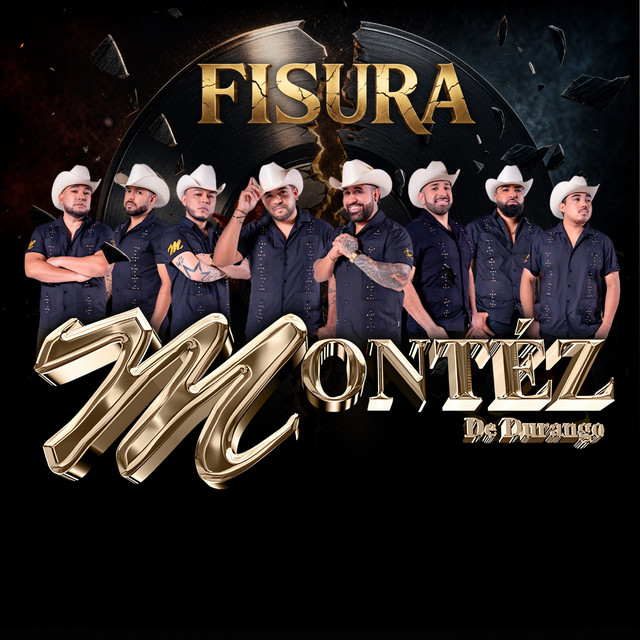
Ambassadors and emblematic acts have helped codify the genre. Grupo Montez de Durango and K-Paz de la Sierra are among the most often cited pioneers and torchbearers, shaping the sound and public face of duranguense during its peak years. Other notable groups include La Dinastía de Tuzantla and various acts from the Durango-Midwest musical networks that helped sustain the scene through touring and regional tours. These artists shared a common aim: to translate the migratory experience into a sound that could be sung and danced to in halls and clubs across borders.
Duranguense’s popularity has been strongest in the United States and in northern Mexico, particularly in Durango and neighboring states. It resonated with Spanish-speaking audiences seeking contemporary, club-friendly expressions of regional identity. Even as trends shift and new regional sounds rise, duranguense remains a vivid snapshot of a moment when migration, technology, and tradition collided to create a new Mexican music vocabulary—one that kept dancers moving and made Durango’s name synonymous with a brisk, modern groove.
The birth of duranguense sits at a crossroads. In the late 1990s and early 2000s, Duranguense artists began experimenting with digital keyboards, drum machines and synthesized brass to create a punchy, contemporary timbre that could travel on radio as well as in dance halls. Early groups from the Durango region and the Chicago scene that embraced this fusion paved the way for a distinct subgenre. The look and feel of the music—bright synth patches, fast tempos, and a relentless dance-floor drive—made it immediately recognizable and widely exportable. Its appeal spread through Mexican-American communities and beyond, turning Durango into a household name in a new musical landscape.
Musically, duranguense is marked by a brisk tempo, typically around 120 to 140 beats per minute, with a heavy emphasis on electronic percussion and keyboard-generated horn and brass textures. The traditional bajo sexto and bass often ground the arrangements, but the most striking feature is the prominence of synth-driven brass lines and punchy, polished drum programming. The vocal style tends to be emotive and declarative, with choruses designed to lodge in the listener’s memory and invite easy participation on the dance floor. The overall aesthetic is glossy and highly produced, designed for large venues, festival stages, and radio airplay alike. While it borrows elements from banda, norteño, and cumbia, duranguense remains distinctly identified by its digital, danceable temperament.
Ambassadors and emblematic acts have helped codify the genre. Grupo Montez de Durango and K-Paz de la Sierra are among the most often cited pioneers and torchbearers, shaping the sound and public face of duranguense during its peak years. Other notable groups include La Dinastía de Tuzantla and various acts from the Durango-Midwest musical networks that helped sustain the scene through touring and regional tours. These artists shared a common aim: to translate the migratory experience into a sound that could be sung and danced to in halls and clubs across borders.
Duranguense’s popularity has been strongest in the United States and in northern Mexico, particularly in Durango and neighboring states. It resonated with Spanish-speaking audiences seeking contemporary, club-friendly expressions of regional identity. Even as trends shift and new regional sounds rise, duranguense remains a vivid snapshot of a moment when migration, technology, and tradition collided to create a new Mexican music vocabulary—one that kept dancers moving and made Durango’s name synonymous with a brisk, modern groove.