Genre
dutch baroque
Top Dutch baroque Artists
Showing 12 of 12 artists
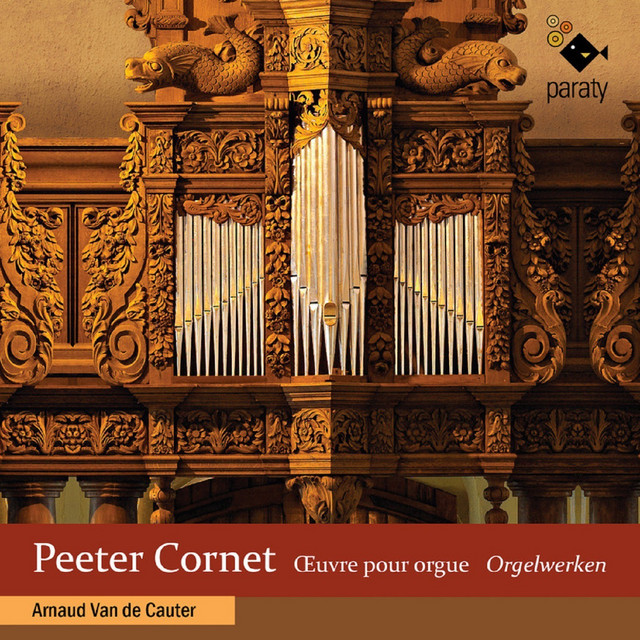
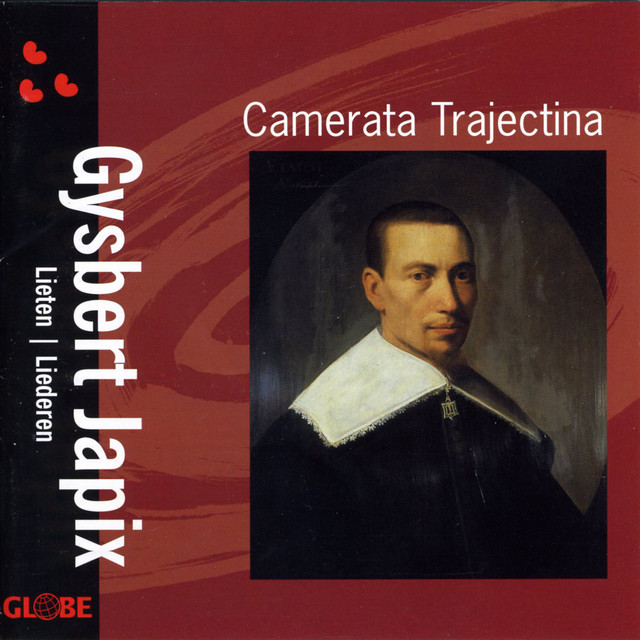


About Dutch baroque
Dutch Baroque is the Baroque music of the Dutch Republic, a stylistic braid woven in the 17th century and extended into the early 18th. Born in a bustling, highly urbanized culture—Amsterdam, Utrecht, The Hague and other cities thrived on trade, publishing, and public life—this tradition fused the era’s new dramatic rhetoric with a strong sense of clarity, proportion, and polyphonic discipline. Rather than a single school with rigid borders, Dutch Baroque describes a national stream that absorbed Italian, French, and German currents while keeping a distinct Dutch voice: lucid textures, elegant line, and a penchant for virtuosic keyboard writing.
Origins and birth: The apex of the Dutch Baroque heritage is anchored by Jan Pieterszoon Sweelinck (1562–1621), the Amsterdam organist whose prolific toccatas, fugues, and chorale-based pieces became a bridge between late Renaissance polyphony and the new Baroque language. Sweelinck’s influence radiated outward through his pupils and the traveling musicians who carried his contrapuntal and expressive approach into Northern Germany and beyond. In the decades that followed, Dutch composers kept that synthesis alive, writing organ works, cantatas, and chamber music that balanced refinement with expressive immediacy. Figures such as Jacob van Eyck (c. 1590–1657), renowned for his organ playing, represent the continuation of the Dutch organ tradition into the mid-seventeenth century. Later Dutch contributors—Pieter van Wassenaer (1690–1766) and Willem de Fesch (1687–1763), among others—carried the style into the high Baroque idiom, blending virtuosity with craftsmanship and polish.
Sound and forms: Dutch Baroque often centers on keyboard virtuosity—Sweelinck’s keyboard idioms, toccatas and fantasias—alongside sacred choral writing and intimate instrumental music. The period favors a clear textural balance: the tutti and continuo interplay in orchestral and concerto-like settings sits beside intimate, intricate polyphony in vocal and instrumental works. The influence of the North German organ school—via Sweelinck’s extended network—brought a robust sense of color, drama, and rhetorical gesture to the Dutch idiom, while still bearing the hallmark Dutch taste for proportion, order, and wit.
Ambassadors and influence: Sweelinck stands as the foundational figure, the educator whose legacy rippled through the North German organ tradition and helped shape later Baroque rhetoric. Dutch composers who followed—like van Eyck, Wassenaer and de Fesch—acted as ambassadors who carried the Dutch sensibility into broader European practice. Their concerted writing and chamber pieces contributed to a cosmopolitan Baroque culture in which Dutch taste—precise articulation, elegant line, and balanced drama—could meet continental forms.
Global reach and popularity: Today, Dutch Baroque enjoys a robust presence in the early-music world. In the Netherlands and Belgium it is a recognized historical layer of the Baroque era, studied and performed by period ensembles and organists on historically informed terms. Across Germany, the United Kingdom, Scandinavia, and the United States, ensembles dedicated to early music regularly program Sweelinck’s keyboard masterpieces, Dutch cantatas, and later Dutch works, inviting listeners who relish crisp polyphony, expressively direct sacred music, and refined instrumental textures. Modern performance practice—harpsichord, organ, viola da gamba, and early orchestral color—brings this essentially Dutch blend of polyphonic elegance and Baroque drama to life for contemporary enthusiasts.
If you’re exploring Baroque music beyond the familiar French and Italian voices, Dutch Baroque offers a compelling, well-ordered alternative: bright keyboard invention, lucid fusion of polyphony with early tonal color, and a historical thread that ties the Dutch Golden Age to a broader European musical conversation.
Origins and birth: The apex of the Dutch Baroque heritage is anchored by Jan Pieterszoon Sweelinck (1562–1621), the Amsterdam organist whose prolific toccatas, fugues, and chorale-based pieces became a bridge between late Renaissance polyphony and the new Baroque language. Sweelinck’s influence radiated outward through his pupils and the traveling musicians who carried his contrapuntal and expressive approach into Northern Germany and beyond. In the decades that followed, Dutch composers kept that synthesis alive, writing organ works, cantatas, and chamber music that balanced refinement with expressive immediacy. Figures such as Jacob van Eyck (c. 1590–1657), renowned for his organ playing, represent the continuation of the Dutch organ tradition into the mid-seventeenth century. Later Dutch contributors—Pieter van Wassenaer (1690–1766) and Willem de Fesch (1687–1763), among others—carried the style into the high Baroque idiom, blending virtuosity with craftsmanship and polish.
Sound and forms: Dutch Baroque often centers on keyboard virtuosity—Sweelinck’s keyboard idioms, toccatas and fantasias—alongside sacred choral writing and intimate instrumental music. The period favors a clear textural balance: the tutti and continuo interplay in orchestral and concerto-like settings sits beside intimate, intricate polyphony in vocal and instrumental works. The influence of the North German organ school—via Sweelinck’s extended network—brought a robust sense of color, drama, and rhetorical gesture to the Dutch idiom, while still bearing the hallmark Dutch taste for proportion, order, and wit.
Ambassadors and influence: Sweelinck stands as the foundational figure, the educator whose legacy rippled through the North German organ tradition and helped shape later Baroque rhetoric. Dutch composers who followed—like van Eyck, Wassenaer and de Fesch—acted as ambassadors who carried the Dutch sensibility into broader European practice. Their concerted writing and chamber pieces contributed to a cosmopolitan Baroque culture in which Dutch taste—precise articulation, elegant line, and balanced drama—could meet continental forms.
Global reach and popularity: Today, Dutch Baroque enjoys a robust presence in the early-music world. In the Netherlands and Belgium it is a recognized historical layer of the Baroque era, studied and performed by period ensembles and organists on historically informed terms. Across Germany, the United Kingdom, Scandinavia, and the United States, ensembles dedicated to early music regularly program Sweelinck’s keyboard masterpieces, Dutch cantatas, and later Dutch works, inviting listeners who relish crisp polyphony, expressively direct sacred music, and refined instrumental textures. Modern performance practice—harpsichord, organ, viola da gamba, and early orchestral color—brings this essentially Dutch blend of polyphonic elegance and Baroque drama to life for contemporary enthusiasts.
If you’re exploring Baroque music beyond the familiar French and Italian voices, Dutch Baroque offers a compelling, well-ordered alternative: bright keyboard invention, lucid fusion of polyphony with early tonal color, and a historical thread that ties the Dutch Golden Age to a broader European musical conversation.