Genre
dutch moombahton
Top Dutch moombahton Artists
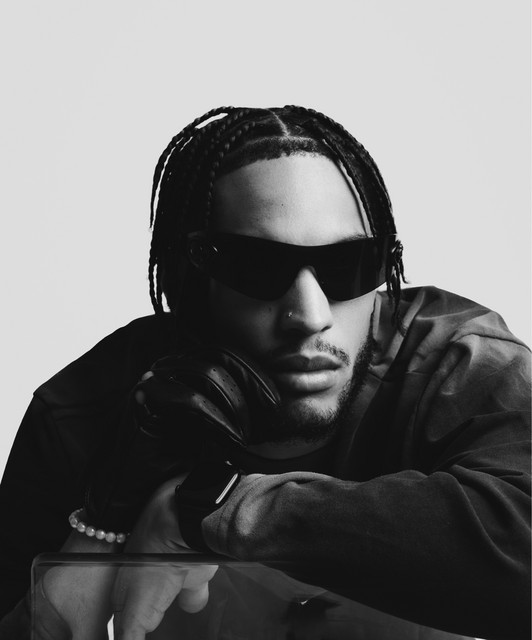


About Dutch moombahton
Dutch moombahton is a regional flavor of the global moombahton movement, born at the crossroads of reggaeton’s tropical swing and the Netherlands’ bass-forward club culture. It shares moombahton’s signature tempo—roughly 108 to 110 BPM—and the dembow rhythm that invites a mid-tempo bounce rather than a straight reggaeton shuffle. What marks it as Dutch is a distinctly Dutch palate: crisp, hard-hitting kicks, oversized drops, and playful, chrome-bright synth lines that sit somewhere between Dutch house, techno-influenced percussion, and Caribbean groove.
Origin-wise, moombahton itself began around 2010 when Dave Nada, a DJ in Washington, D.C., slowed a reggaeton track to about 108 BPM and layered it with house-style drums. The name Moombahton is widely treated as a portmanteau of Moombah (a nod to DJ Chuckie’s earlier track) and reggaeton, signaling the fusion at the movement’s core. The Dutch thread became pronounced as Dutch producers and labels embraced the sound, remixing, releasing originals, and linking it to their thriving club culture.
Key ambassadors help map Dutch moombahton’s arc. In the United States, Dillon Francis became one of the movement’s most visible faces in the early 2010s, pushing moombahton into main-stage sets with tracks like Masta Blasta and collaborations that sharpened the drop. Globally, Major Lazer (led by Diplo) helped popularize the sound and its infectious energy with moombahton-inflected material such as Original Don, a 2012 collaboration that included The Partysquad, a Dutch act that anchored the Netherlands’ connection to the style. The Dutch track Moombah!, released by Chuckie in 2010, provided a direct link to the term and helped seed the cross-Atlantic bridge that Dutch producers would ride for years.
Where is Dutch moombahton most popular? It found a strong foothold in the United States, especially in scenes that embraced hybrid bass and dancehall-adjacent rhythms. The Netherlands has remained a fertile ground for the sound, thanks to a network of Dutch producers who blend moombahton with their signature bass and club aesthetics. It also resonates across Latin America and Europe, appearing in club sets and festival stages where reggaeton’s pulse meets club-floor energy. In streaming culture, the sound travels quickly across playlists that celebrate bass music, Latin-influenced EDM, and tropical house hybrids.
For listeners, Dutch moombahton is a vivid reminder that electronic music thrives on cross-pollination. Its DNA contains Caribbean rhythm, Dutch precision, and an insistence that a drop can feel both playful and heavyweight. If you want to dive in, start with Chuckie’s Moombah!, Dillon Francis’ Masta Blasta, Major Lazer’s Original Don, and then explore Dutch producers who keep pushing the sound in clubs and festival sets worldwide.
Origin-wise, moombahton itself began around 2010 when Dave Nada, a DJ in Washington, D.C., slowed a reggaeton track to about 108 BPM and layered it with house-style drums. The name Moombahton is widely treated as a portmanteau of Moombah (a nod to DJ Chuckie’s earlier track) and reggaeton, signaling the fusion at the movement’s core. The Dutch thread became pronounced as Dutch producers and labels embraced the sound, remixing, releasing originals, and linking it to their thriving club culture.
Key ambassadors help map Dutch moombahton’s arc. In the United States, Dillon Francis became one of the movement’s most visible faces in the early 2010s, pushing moombahton into main-stage sets with tracks like Masta Blasta and collaborations that sharpened the drop. Globally, Major Lazer (led by Diplo) helped popularize the sound and its infectious energy with moombahton-inflected material such as Original Don, a 2012 collaboration that included The Partysquad, a Dutch act that anchored the Netherlands’ connection to the style. The Dutch track Moombah!, released by Chuckie in 2010, provided a direct link to the term and helped seed the cross-Atlantic bridge that Dutch producers would ride for years.
Where is Dutch moombahton most popular? It found a strong foothold in the United States, especially in scenes that embraced hybrid bass and dancehall-adjacent rhythms. The Netherlands has remained a fertile ground for the sound, thanks to a network of Dutch producers who blend moombahton with their signature bass and club aesthetics. It also resonates across Latin America and Europe, appearing in club sets and festival stages where reggaeton’s pulse meets club-floor energy. In streaming culture, the sound travels quickly across playlists that celebrate bass music, Latin-influenced EDM, and tropical house hybrids.
For listeners, Dutch moombahton is a vivid reminder that electronic music thrives on cross-pollination. Its DNA contains Caribbean rhythm, Dutch precision, and an insistence that a drop can feel both playful and heavyweight. If you want to dive in, start with Chuckie’s Moombah!, Dillon Francis’ Masta Blasta, Major Lazer’s Original Don, and then explore Dutch producers who keep pushing the sound in clubs and festival sets worldwide.