Genre
ecm-style jazz
Top Ecm-style jazz Artists
Showing 25 of 27 artists











About Ecm-style jazz
ECM-style jazz is less a rigid genre than a distinctive aesthetic that grew from the newly minted spirit of ECM Records: Editions of Contemporary Music, founded in 1969 by Manfred Eicher in Munich. From its inception, ECM sought to fuse jazz with European classical poise, chamber-like clarity, and a sense of space that invites quiet attention. The result isn’t glossy funk or roaring fusion, but vast, contemplative soundscapes where silence feels like a compositional element and the weight of a note is felt as much as heard.
The sonic fingerprint of ECM is its spaciousness. Recordings often favour natural, acoustic textures—pianos with a soft, bells-like sustain, double bass with a round, singing tone, airy reed and string textures, and percussion that feels restrained rather than domineering. Microphones are placed to capture room ambience, yielding a reverberant, almost architectural quality. The tempos drift, the melodies arc gently, and improvisation tends toward lyricism and meditative mood rather than virtuosic display. The result can feel like jazz filtered through a European sensibility—less overt swing, more listening music, with influences drawn from folk, minimalism, and contemporary classical music.
This lineage has a handful of emblematic ambassadors. Keith Jarrett’s solo and Standards-era work on ECM, including The Köln Concert (1975), helped define the label’s arc—an improvisational voice that was intimate, improvisational, and cinematic at once. Jan Garbarek, whose saxophone lines bend wind-swept Scandinavian landscapes into jazz-drenched lullabies, remains a touchstone for the Nordic-influenced strand of ECM. Guitarist and pianist Ralph Towner and the collective Oregon embody the global, chamber-jazz fusion the label encouraged. Bassist Eberhard Weber, pianist Bobo Stenson, and bassist Arild Andersen are core voices who propelled ECM’s European sense of time and color. In the more contemporary wave, Norwegian pianist Tord Gustavsen and trumpeter Nils Petter Molvær extended the palette—Gustavsen with hymnal, introspective trio work; Molvær with luminous, ambient trumpets and electronically textured backdrops. Anouar Brahem’s oud-led ECM projects add North African and Middle Eastern infusions, while Pat Metheny’s ECM-era records (including First Circle) demonstrated the label’s reach into broader jazz vocabularies.
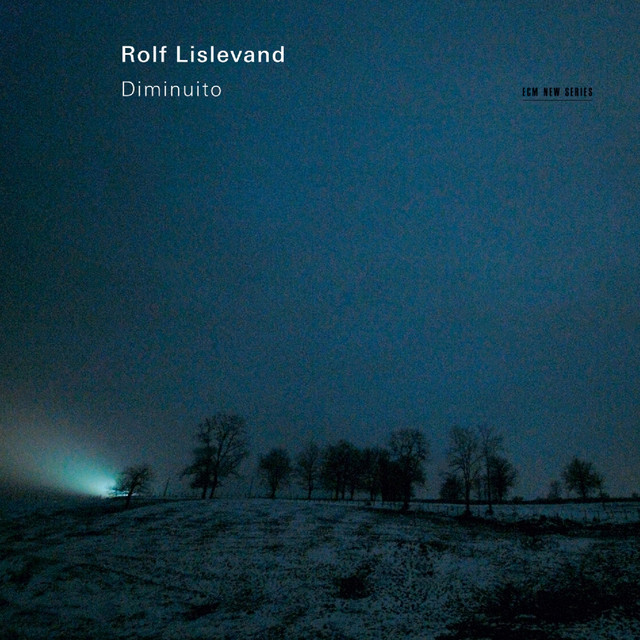
Geographically, ECM-style jazz found fertile ground in Europe—Germany, Norway, Sweden, and the broader Nordic countries—where the aesthetic aligned with local art-music sensibilities. It also gained a devoted following in Japan and has resonated worldwide among listeners who crave understated, cinematic jazz that rewards repeated listening. The visual identity of ECM—often stark, minimalist album art—echoes the music’s emphasis on space and restraint.
If you’re new to ECM-style jazz, a listening path might begin with The Köln Concert for the invasion of emotion in space, then move to Jan Garbarek’s early European explorations or Eberhard Weber’s The Colours of Chloë for bass-led atmospherics. From there, contrast the Nordic voice of Tord Gustavsen with the ambient-leaning explorations of Nils Petter Molvær, and dip into Anouar Brahem’s oud-led ECM sessions to hear the global reach of this enduring, contemplative jazz language.
The sonic fingerprint of ECM is its spaciousness. Recordings often favour natural, acoustic textures—pianos with a soft, bells-like sustain, double bass with a round, singing tone, airy reed and string textures, and percussion that feels restrained rather than domineering. Microphones are placed to capture room ambience, yielding a reverberant, almost architectural quality. The tempos drift, the melodies arc gently, and improvisation tends toward lyricism and meditative mood rather than virtuosic display. The result can feel like jazz filtered through a European sensibility—less overt swing, more listening music, with influences drawn from folk, minimalism, and contemporary classical music.
This lineage has a handful of emblematic ambassadors. Keith Jarrett’s solo and Standards-era work on ECM, including The Köln Concert (1975), helped define the label’s arc—an improvisational voice that was intimate, improvisational, and cinematic at once. Jan Garbarek, whose saxophone lines bend wind-swept Scandinavian landscapes into jazz-drenched lullabies, remains a touchstone for the Nordic-influenced strand of ECM. Guitarist and pianist Ralph Towner and the collective Oregon embody the global, chamber-jazz fusion the label encouraged. Bassist Eberhard Weber, pianist Bobo Stenson, and bassist Arild Andersen are core voices who propelled ECM’s European sense of time and color. In the more contemporary wave, Norwegian pianist Tord Gustavsen and trumpeter Nils Petter Molvær extended the palette—Gustavsen with hymnal, introspective trio work; Molvær with luminous, ambient trumpets and electronically textured backdrops. Anouar Brahem’s oud-led ECM projects add North African and Middle Eastern infusions, while Pat Metheny’s ECM-era records (including First Circle) demonstrated the label’s reach into broader jazz vocabularies.
Geographically, ECM-style jazz found fertile ground in Europe—Germany, Norway, Sweden, and the broader Nordic countries—where the aesthetic aligned with local art-music sensibilities. It also gained a devoted following in Japan and has resonated worldwide among listeners who crave understated, cinematic jazz that rewards repeated listening. The visual identity of ECM—often stark, minimalist album art—echoes the music’s emphasis on space and restraint.
If you’re new to ECM-style jazz, a listening path might begin with The Köln Concert for the invasion of emotion in space, then move to Jan Garbarek’s early European explorations or Eberhard Weber’s The Colours of Chloë for bass-led atmospherics. From there, contrast the Nordic voice of Tord Gustavsen with the ambient-leaning explorations of Nils Petter Molvær, and dip into Anouar Brahem’s oud-led ECM sessions to hear the global reach of this enduring, contemplative jazz language.