Genre
egyptian shaabi
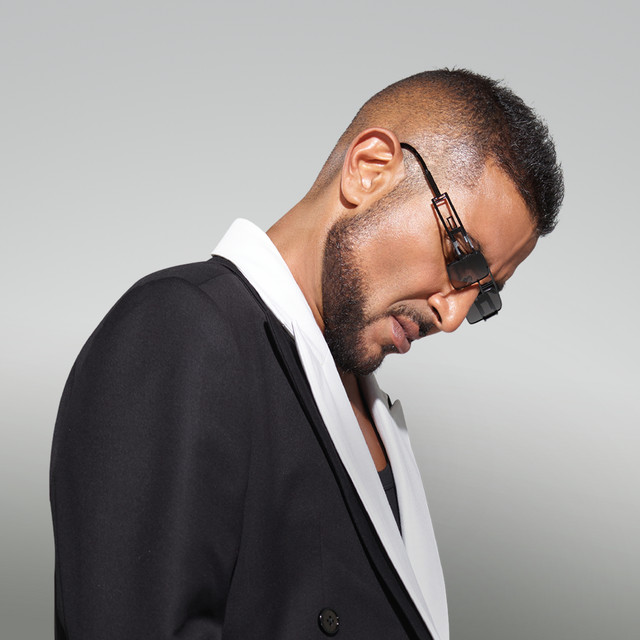
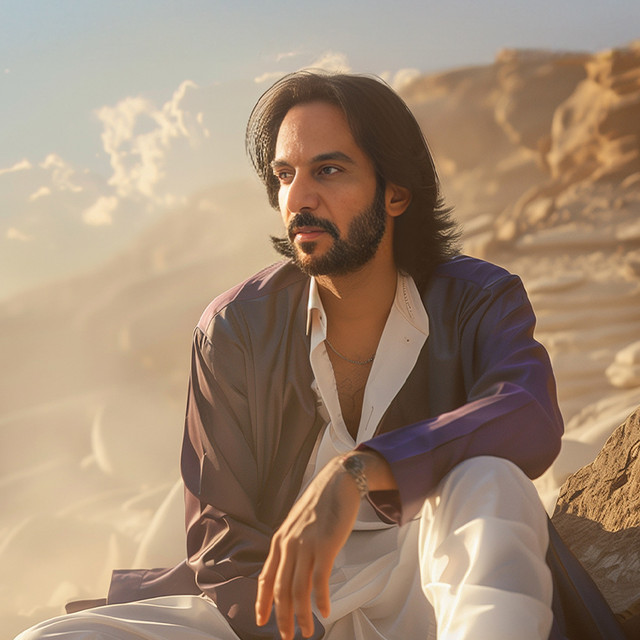
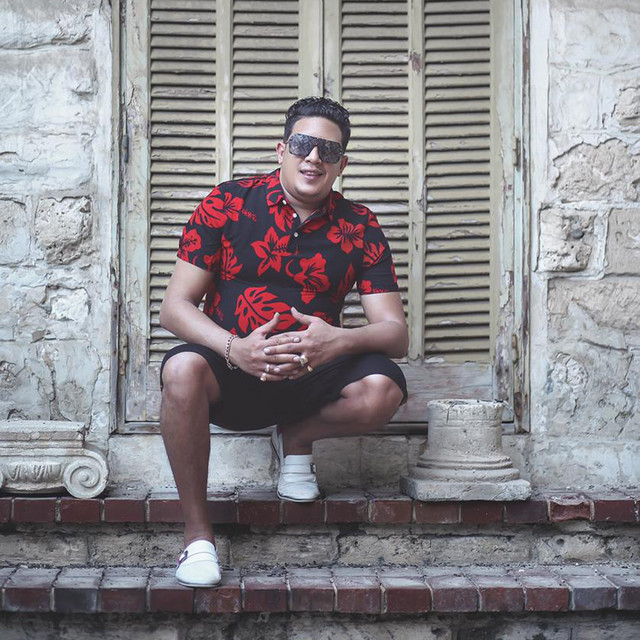
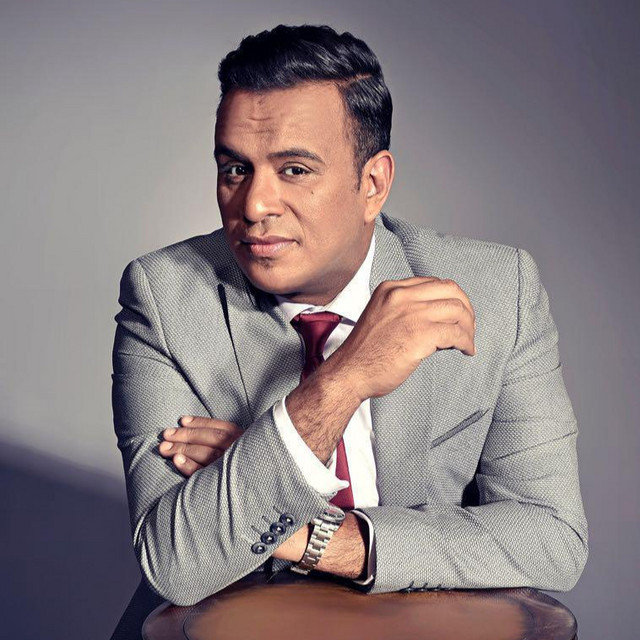
Top Egyptian shaabi Artists
Showing 25 of 119 artists











About Egyptian shaabi
Egyptian shaabi is the street’s own voice in Egypt’s vast musical landscape—a robust, celebratory, and unpolished current that grew out of Cairo’s working‑class neighborhoods and (more recently) spilled onto national stages and international playlists. The name shaabi literally means “popular” or “of the people,” and the genre has always thrived where everyday life is loud, funny, and lived in the moment. Its roots lie in the mid‑20th century, when local musicians in neighborhoods around Cairo began pairing traditional urban forms with slangy, candid lyrics that spoke directly to daily life, love, work, and street humor. Over the decades it absorbed influences from folk, pop, dance, and, more recently, electronic production, becoming a flexible umbrella for sounds that are accessible, rhythmic, and unmistakably Egyptian.
Sonic makeup and performance practice are part of shaabi’s appeal. Core grooves lean on propulsive percussion—doumbek, tabla, and handclaps—often paired with bright melodic hooks from accordion, keyboard, or lute-like instruments. In earlier eras, shaabi sang through the voices of street poets and local wedding bands; in more recent times, producers and DJs have added electronic drums, synth bass, and autotuned vocals. The result is music that can be cozy and intimate in a family wedding, or raucously communal in a nightclub, rally, or festival setting. Lyrically, shaabi revels in colloquial language, humor, social observation, flirtation, and sometimes pointed social critique. It’s known for direct, playful bites of reality, delivered with a sunlit swagger that invites dancing and singing along.
Historically important figures anchor shaabi’s lineage. Ahmed Adawiya is widely regarded as the “father” of the modern shaabi voice: a prolific performer who helped crystallize the sound in the late 20th century and became a template for much of what followed. In the following decades, other ambassadors carried shaabi beyond cabarets and private parties into larger public spaces; foremost among them is Hakim, whose charismatic delivery and hooky refrains brought shaabi to mainstream audiences in the 1990s and 2000s, helping the genre reach stadiums, television, and diverse urban settings. Veteran voices like Saad El Soghayer kept the tradition alive with recognizably gritty, party-ready anthems, while newer generations have continued to push the style forward.
In terms of geography, shaabi is centered in Egypt, where it remains the lingua franca of nightlife, weddings, and street performance. Its influence, however, travels with the Egyptian diaspora and has found listeners in the Arab world and among immigrant communities in Europe and North America, where it’s often encountered in clubs, weddings, and cultural events. In the 2010s and 2020s, a related subgenre—electro‑shaabi or mahraganat—emerged from the same street roots, pairing DIY electronic production with rapid-fire, slang‑heavy vocals. Maḥrāgaṯ tracks spread virally online and through street performances, illustrating shaabi’s enduring capacity to reinvent itself while staying unmistakably rooted in the everyday voices of Cairo’s neighborhoods.
For music enthusiasts, Egyptian shaabi offers a rewarding study in contrasts: it preserves intimate storytelling within a bustling, communal aesthetic, while continually absorbing new tools and textures. It is a music of celebration and resilience, a sonic snapshot of urban Egypt that continues to evolve without sacrificing its core—music made for dancing, for telling truths, and for keeping the streets alive in sound.
Sonic makeup and performance practice are part of shaabi’s appeal. Core grooves lean on propulsive percussion—doumbek, tabla, and handclaps—often paired with bright melodic hooks from accordion, keyboard, or lute-like instruments. In earlier eras, shaabi sang through the voices of street poets and local wedding bands; in more recent times, producers and DJs have added electronic drums, synth bass, and autotuned vocals. The result is music that can be cozy and intimate in a family wedding, or raucously communal in a nightclub, rally, or festival setting. Lyrically, shaabi revels in colloquial language, humor, social observation, flirtation, and sometimes pointed social critique. It’s known for direct, playful bites of reality, delivered with a sunlit swagger that invites dancing and singing along.
Historically important figures anchor shaabi’s lineage. Ahmed Adawiya is widely regarded as the “father” of the modern shaabi voice: a prolific performer who helped crystallize the sound in the late 20th century and became a template for much of what followed. In the following decades, other ambassadors carried shaabi beyond cabarets and private parties into larger public spaces; foremost among them is Hakim, whose charismatic delivery and hooky refrains brought shaabi to mainstream audiences in the 1990s and 2000s, helping the genre reach stadiums, television, and diverse urban settings. Veteran voices like Saad El Soghayer kept the tradition alive with recognizably gritty, party-ready anthems, while newer generations have continued to push the style forward.
In terms of geography, shaabi is centered in Egypt, where it remains the lingua franca of nightlife, weddings, and street performance. Its influence, however, travels with the Egyptian diaspora and has found listeners in the Arab world and among immigrant communities in Europe and North America, where it’s often encountered in clubs, weddings, and cultural events. In the 2010s and 2020s, a related subgenre—electro‑shaabi or mahraganat—emerged from the same street roots, pairing DIY electronic production with rapid-fire, slang‑heavy vocals. Maḥrāgaṯ tracks spread virally online and through street performances, illustrating shaabi’s enduring capacity to reinvent itself while staying unmistakably rooted in the everyday voices of Cairo’s neighborhoods.
For music enthusiasts, Egyptian shaabi offers a rewarding study in contrasts: it preserves intimate storytelling within a bustling, communal aesthetic, while continually absorbing new tools and textures. It is a music of celebration and resilience, a sonic snapshot of urban Egypt that continues to evolve without sacrificing its core—music made for dancing, for telling truths, and for keeping the streets alive in sound.