Genre
electro corridos
Top Electro corridos Artists
Showing 25 of 298 artists




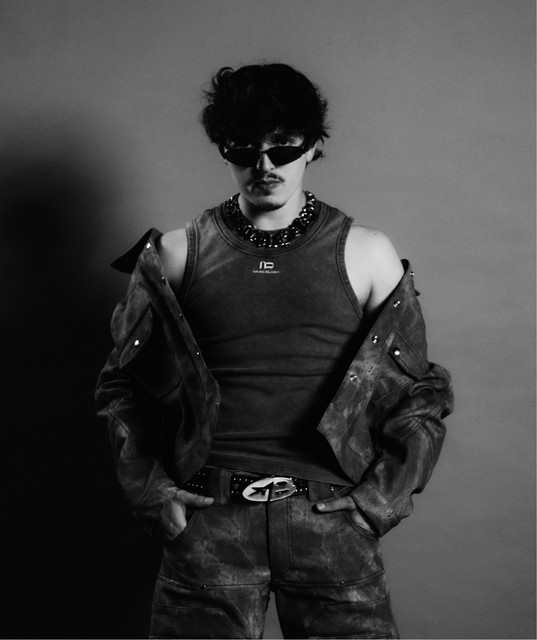


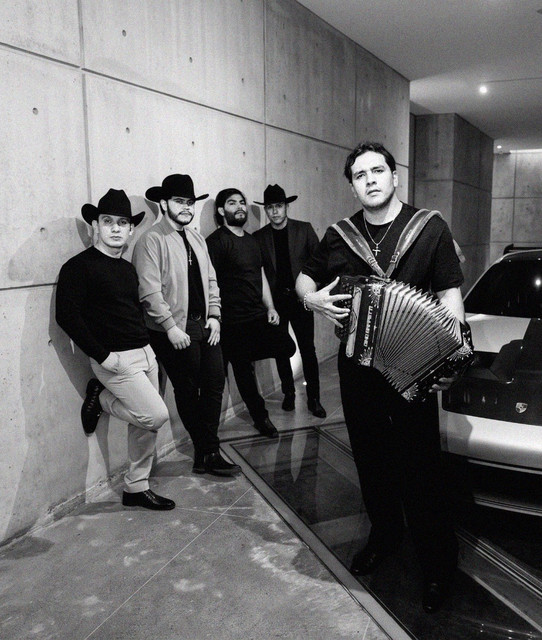







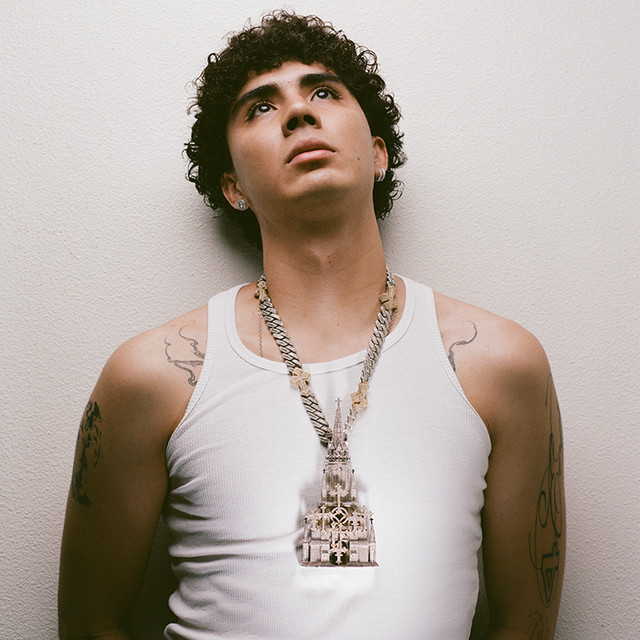
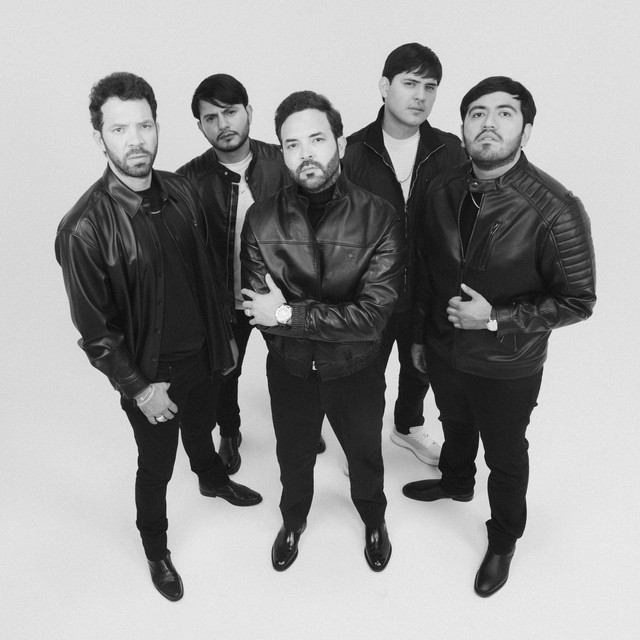




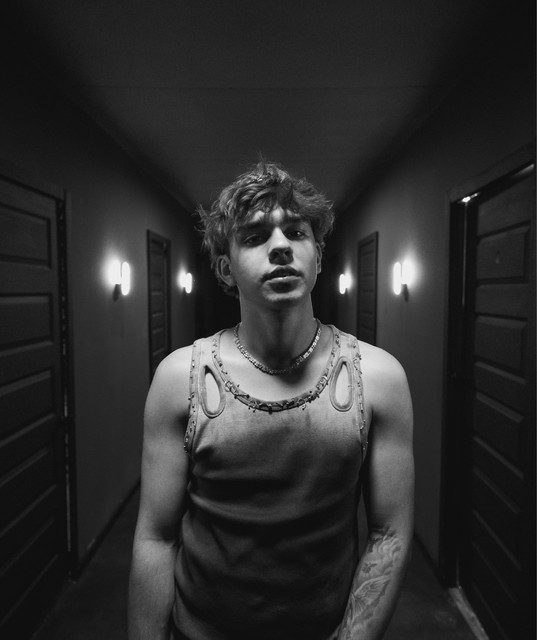



About Electro corridos
Electro corridos is a crossover sound that fuses the narrative force and melodic shapes of traditional corridos with the punchy, club-ready energy of electronic dance music. It sits at the intersection of storytelling Mexicano music and contemporary production, creating tracks that can move a crowd on the dancefloor while still delivering a clear, phonetic Spanish vocal line and a vivid scene.
Origins and birth
The current form began taking shape in the late 2000s and blossomed through the 2010s, largely in Mexico’s northern border cities and among the Mexican diaspora in the United States. It grew out of a broader culture of exchange between regional Mexican traditions and electronic scenes from cities like Tijuana, Mexicali, and beyond. A crucial precursor is the Nortec sound from Baja California (often associated with the Nortec Collective), which fused norteño and brass textures with techno and house rhythms. Electro corridos inherited that impulse: producers and performers started layering corrido-like storytelling over synthesized basslines, looping rhythms, and digital sound design, while retaining the clear, often diaristic lyric focus that defines the corrido tradition.
Ambassadors and key figures
If you’re tracing the lineage, early ambassadors include the Nortec groups and producers who demonstrated how Mexican regional motifs could ride electronic drums and keyboards without losing their narrative center. In the years since, a broader wave of regional Mexican artists and DJs—across Mexico and the U.S. Southwest—have embraced the aesthetic, helping to legitimize electro corridos as a recognizable subgenre. The scene tends to spotlight a cross-border ecosystem: studio producers, live DJs, and vocalists who can deliver a corrido cadence and a club-ready drop in the same set. This makes electro corridos less about a single artist and more about a collaborative language—one that travels between the studio, the stage, and the streaming playlist.
Sound and characteristics
Sonically, electro corridos often sit in the 110–130 BPM range, balancing dancefloor propulsion with narrative clarity. Expect synth pads, punchy kick drums, 808-style basslines, and sometimes vocoder or processed vocal textures. The melodies may borrow accordion or guitar-like motifs, but they’re reinterpreted through electronic textures. Lyrically, the tradition of telling stories—about love, loyalty, migration, daily life, social issues, and the border experience—remains central. While narcocorrido associations exist in the broader landscape of corridos, electro corridos frequently filters those themes through a modern, cinematic lens or side-steps them toward universal human moments, making the storytelling accessible to both traditional fans and new clubgoers.
Geography and audience
Electro corridos enjoys particular resonance in Mexico and among Mexican communities in the United States, especially across California, Texas, and the Southwest. It has also found sympathizers in other Latin American scenes and among global Latin music fans who are curious about hybrid forms. Festivals, club nights, and streaming playlists have helped spread the sound, turning it into a live and digital conversation about how modern Mexican identity can be expressed through rhythm and words.
Why it matters
The genre represents a broader movement in Latin music: the blending of traditional forms with contemporary production to reach younger listeners while preserving the social storytelling core. It invites debates about authenticity, representation, and the role of dance music in conveying community experience. For enthusiasts, electro corridos offers a proving ground for how cultural memory adapts to new technologies and global listening habits—a sonic bridge between the past and the pulse of today.
Origins and birth
The current form began taking shape in the late 2000s and blossomed through the 2010s, largely in Mexico’s northern border cities and among the Mexican diaspora in the United States. It grew out of a broader culture of exchange between regional Mexican traditions and electronic scenes from cities like Tijuana, Mexicali, and beyond. A crucial precursor is the Nortec sound from Baja California (often associated with the Nortec Collective), which fused norteño and brass textures with techno and house rhythms. Electro corridos inherited that impulse: producers and performers started layering corrido-like storytelling over synthesized basslines, looping rhythms, and digital sound design, while retaining the clear, often diaristic lyric focus that defines the corrido tradition.
Ambassadors and key figures
If you’re tracing the lineage, early ambassadors include the Nortec groups and producers who demonstrated how Mexican regional motifs could ride electronic drums and keyboards without losing their narrative center. In the years since, a broader wave of regional Mexican artists and DJs—across Mexico and the U.S. Southwest—have embraced the aesthetic, helping to legitimize electro corridos as a recognizable subgenre. The scene tends to spotlight a cross-border ecosystem: studio producers, live DJs, and vocalists who can deliver a corrido cadence and a club-ready drop in the same set. This makes electro corridos less about a single artist and more about a collaborative language—one that travels between the studio, the stage, and the streaming playlist.
Sound and characteristics
Sonically, electro corridos often sit in the 110–130 BPM range, balancing dancefloor propulsion with narrative clarity. Expect synth pads, punchy kick drums, 808-style basslines, and sometimes vocoder or processed vocal textures. The melodies may borrow accordion or guitar-like motifs, but they’re reinterpreted through electronic textures. Lyrically, the tradition of telling stories—about love, loyalty, migration, daily life, social issues, and the border experience—remains central. While narcocorrido associations exist in the broader landscape of corridos, electro corridos frequently filters those themes through a modern, cinematic lens or side-steps them toward universal human moments, making the storytelling accessible to both traditional fans and new clubgoers.
Geography and audience
Electro corridos enjoys particular resonance in Mexico and among Mexican communities in the United States, especially across California, Texas, and the Southwest. It has also found sympathizers in other Latin American scenes and among global Latin music fans who are curious about hybrid forms. Festivals, club nights, and streaming playlists have helped spread the sound, turning it into a live and digital conversation about how modern Mexican identity can be expressed through rhythm and words.
Why it matters
The genre represents a broader movement in Latin music: the blending of traditional forms with contemporary production to reach younger listeners while preserving the social storytelling core. It invites debates about authenticity, representation, and the role of dance music in conveying community experience. For enthusiasts, electro corridos offers a proving ground for how cultural memory adapts to new technologies and global listening habits—a sonic bridge between the past and the pulse of today.