Genre
electro latino
Top Electro latino Artists
Showing 25 of 66 artists










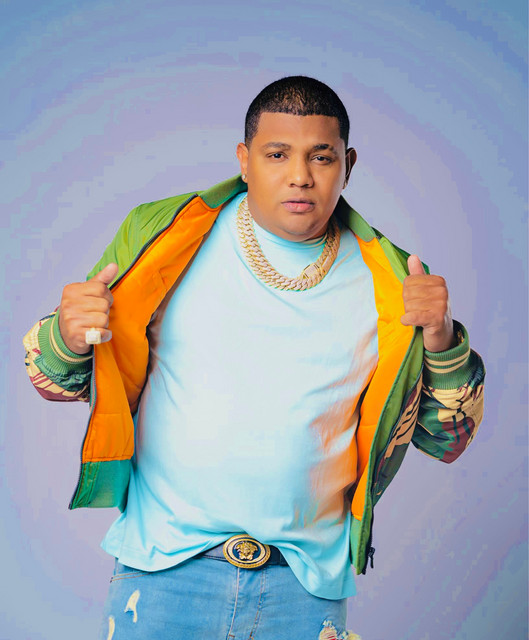
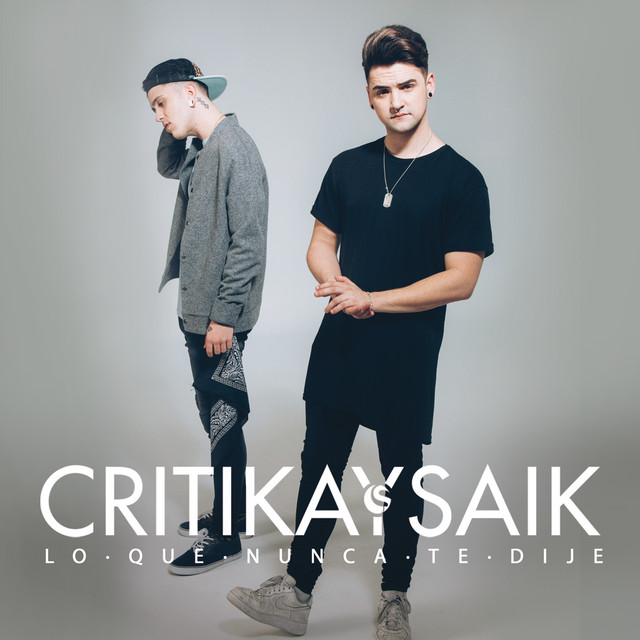

About Electro latino
Electro latino is a cross-cultural hybrid that turns electronic percussion into a Latin dance-floor conversation. It fuses the momentum of electro, techno, and house with the rhythmic languages of Latin America—cumbia, reggaetón, samba, salsa, bachata, and Afro-Latin grooves—creating tracks that pulse with robotic basslines, sunlit synths, and percussion shuffles that invite motion.
Origins and DNA
Its birth is often traced to the late 1990s and early 2000s, in Latin American capitals and in Spain, where producers began layering traditional drums and melodies over synthesized bass and tight four-on-the-floor grooves. The scene matured as digital production lowered the barrier to blending regional folkloric motifs with contemporary club aesthetics. By the 2010s, electro latino had crystallized into a recognizable ecosystem: a global diaspora of artists recombining local rhythms with global electronic sound design, a dialogue that travels through streaming rooms and club stages alike.
Ambassadors and key names
In the electro-latino orbit, several acts have stood out as ambassadors, helping to define the sound and spread it beyond regional borders:
- Bomba Estéreo (Colombia): One of the most visible acts bridging cumbia and electronic textures, they helped popularize a sun-drenched, dance-floor-ready aesthetic that remains instantly recognizable.
- Chancha Vía Circuito (Argentina): A pioneer in blending Andean and tropical textures with bass-driven electronics, he helped map the sonic possibilities of “electro cumbia” and folktronica as a coherent movement.
- Dengue Dengue Dengue (Peru): This duo popularized tropical bass within the electro-latino spectrum, infusing Peruvian rhythms with deep basslines and hypnotic repetitions.
- La Yegros (Argentina): A vocal and production powerhouse who fuses electro with cumbia and ballad-influenced melodies, expanding electro latino’s emotional range.
- Nicola Cruz (Ecuador): Known for merging Andean melodic modes with contemporary electronics, he broadened the genre’s geographic and cultural palette.
- El Guincho (Spain): A global ambassador who threaded Afro-Latin textures through psychedelic, sunny electronics, bringing a European perspective to the movement.
Geographies and scenes
Electro latino thrives in Argentina, Colombia, and Mexico, where club nights and festival stages have repeatedly showcased this fusion. It has a strong presence in Peru, Chile, and Ecuador, with waves washing into Spain and other European hubs that crave tropical rhythms reinterpreted through electronic production. In the studio, producers lean on classic Latin percussion (congas, timbales, guiro, cajón) alongside 808/909-based drums, lush synths, and glitchy/noise textures. On the dance floor, expect tempos roughly in the 100–125 BPM range, a flexible groove that invites looping basslines, call-and-response vocal lines, and percussive cascades.
What makes it compelling
Electro latino is more than a fad; it’s a narrative of migration and exchange. It translates regional identities into club language without sacrificing cultural memory. It invites remixes and collaborations across borders, letting a Bogotá groove meet a Lima bassline, a Buenos Aires choir, or a Quito synth line. For enthusiasts, the genre offers a plangent sense of place within a globalized beatscape: familiar arms of house and electro folded around the colorful, polyphonous percussion of Latin America.
Origins and DNA
Its birth is often traced to the late 1990s and early 2000s, in Latin American capitals and in Spain, where producers began layering traditional drums and melodies over synthesized bass and tight four-on-the-floor grooves. The scene matured as digital production lowered the barrier to blending regional folkloric motifs with contemporary club aesthetics. By the 2010s, electro latino had crystallized into a recognizable ecosystem: a global diaspora of artists recombining local rhythms with global electronic sound design, a dialogue that travels through streaming rooms and club stages alike.
Ambassadors and key names
In the electro-latino orbit, several acts have stood out as ambassadors, helping to define the sound and spread it beyond regional borders:
- Bomba Estéreo (Colombia): One of the most visible acts bridging cumbia and electronic textures, they helped popularize a sun-drenched, dance-floor-ready aesthetic that remains instantly recognizable.
- Chancha Vía Circuito (Argentina): A pioneer in blending Andean and tropical textures with bass-driven electronics, he helped map the sonic possibilities of “electro cumbia” and folktronica as a coherent movement.
- Dengue Dengue Dengue (Peru): This duo popularized tropical bass within the electro-latino spectrum, infusing Peruvian rhythms with deep basslines and hypnotic repetitions.
- La Yegros (Argentina): A vocal and production powerhouse who fuses electro with cumbia and ballad-influenced melodies, expanding electro latino’s emotional range.
- Nicola Cruz (Ecuador): Known for merging Andean melodic modes with contemporary electronics, he broadened the genre’s geographic and cultural palette.
- El Guincho (Spain): A global ambassador who threaded Afro-Latin textures through psychedelic, sunny electronics, bringing a European perspective to the movement.
Geographies and scenes
Electro latino thrives in Argentina, Colombia, and Mexico, where club nights and festival stages have repeatedly showcased this fusion. It has a strong presence in Peru, Chile, and Ecuador, with waves washing into Spain and other European hubs that crave tropical rhythms reinterpreted through electronic production. In the studio, producers lean on classic Latin percussion (congas, timbales, guiro, cajón) alongside 808/909-based drums, lush synths, and glitchy/noise textures. On the dance floor, expect tempos roughly in the 100–125 BPM range, a flexible groove that invites looping basslines, call-and-response vocal lines, and percussive cascades.
What makes it compelling
Electro latino is more than a fad; it’s a narrative of migration and exchange. It translates regional identities into club language without sacrificing cultural memory. It invites remixes and collaborations across borders, letting a Bogotá groove meet a Lima bassline, a Buenos Aires choir, or a Quito synth line. For enthusiasts, the genre offers a plangent sense of place within a globalized beatscape: familiar arms of house and electro folded around the colorful, polyphonous percussion of Latin America.