Genre
electro
Top Electro Artists
Showing 25 of 242 artists



















About Electro
Electro is a dance-forward branch of electronic music built on robotic synth textures, punchy drum machines, and a cool, cybernetic attitude. It grew from a late-1970s to mid-1980s exchange between funk, hip‑hop and European futurism, with makers who treated machines as instruments. At its core are clipped rhythms, high-contrast bass, vocoderized vocals, and arpeggiated synth lines that feel both mechanical and human at once.
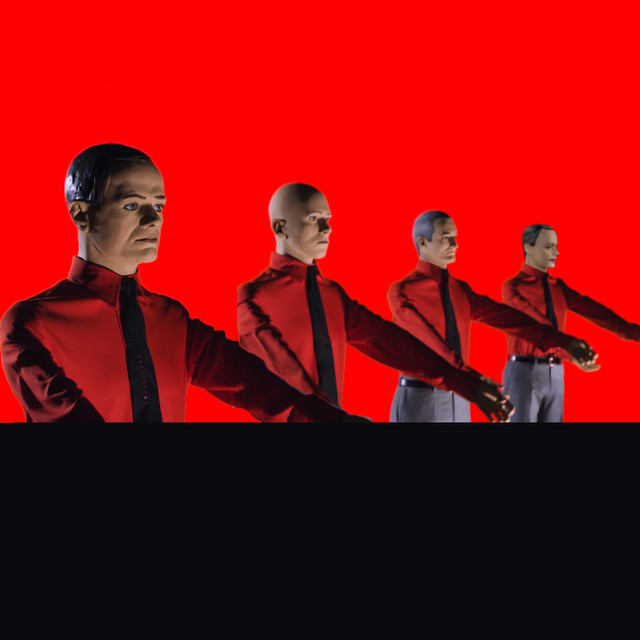
Its birth is rooted in a global conversation about machines and groove. Detroit’s Cybotron—Juan Atkins and Richard Davis—released Clear in 1983, a milestone that fused sci‑fi synths with modular funk and helped seed electro’s path alongside techno. Across the Atlantic, Afrika Bambaataa & the Soulsonic Force popularized Planet Rock in 1982, a track that sampled Kraftwerk and turned electro‑funk into a hip‑hop‑inflected revolution. And Kraftwerk, the German duo whose late 1970s experiments fused pulse, melody and robotic cadence, provided the template that many early electro producers would echo for decades.
By the mid‑1980s, electro had crystallized as a distinct strand of dance music. Its hallmark was the marriage of four-on-the-floor momentum with machine‑like grooves and synthetic basslines, all braided with vocoder‑heavy vocal textures. Producers layered icy synth tones, sharp arpeggios, and bass that felt engineered for the club. In clubs and on sampling rigs, tracks swung between precise, funk‑inflected verses and widescreen electro‑funk choruses, a template that would influence hip‑hop, techno and later forms of EDM.
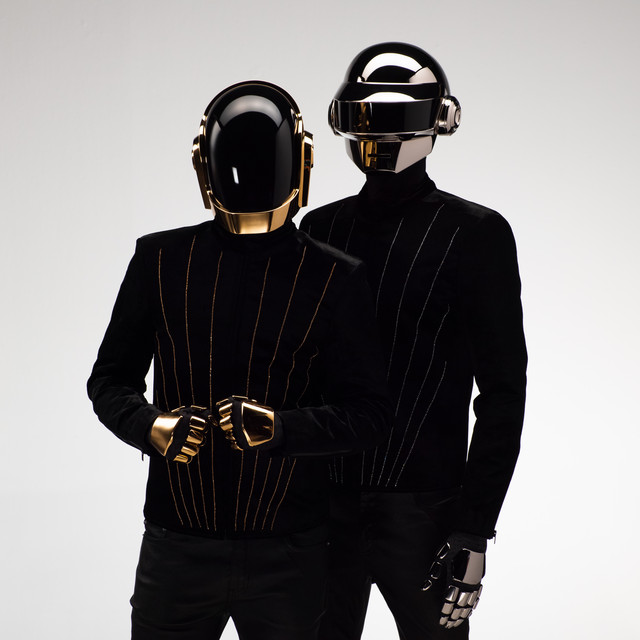
In the 1990s and 2000s, electro split into sub‑scenes. Electroclash fused retro‑futurist aesthetics with punk and new wave energy in the early 2000s, while electro‑house pushed toward bigger, riff‑driven club tracks that rode the rise of contemporary EDM. French acts—Daft Punk and Justice—reimagined electro with glossy production, disco‑inflected basslines, and cinematic textures, helping bring the sound to a global audience. Vitalic, Miss Kittin & The Hacker, and a new generation of European producers kept the retro‑futurist wink alive on European dance floors, even as American artists bridged hip‑hop’s cadence with robotic timbres.
Ambassadors of the genre span generations. Kraftwerk remains the foundational force, and Afrika Bambaataa’s Planet Rock remains a touchstone for electro within hip‑hop. Cybotron represents Detroit’s direct electro lineage, while Daft Punk and Justice became global ambassadors in the 2000s, shaping a modern, widely recognizable electro sound. Today, electro continues to reverberate across scenes, informing bass music, techno, and indie electro‑pop alike. Its footprint is truly global, with vibrant communities in the United States (notably Detroit and New York), France (Parisian studios and touring outfits), Germany (Berlin’s live electronic culture), the UK, and Japan’s pulsating underground clubs.
Whether heard as a raw, robotic groove, a soaring electro‑house anthem, or a dystopian synth vignette, electro’s core remains a fascination with the fusion of machine precision and human swing. It’s a genre that invites producers to push texture, tempo and timbre, always circling back to that binary pulse and space‑age attitude.
Its birth is rooted in a global conversation about machines and groove. Detroit’s Cybotron—Juan Atkins and Richard Davis—released Clear in 1983, a milestone that fused sci‑fi synths with modular funk and helped seed electro’s path alongside techno. Across the Atlantic, Afrika Bambaataa & the Soulsonic Force popularized Planet Rock in 1982, a track that sampled Kraftwerk and turned electro‑funk into a hip‑hop‑inflected revolution. And Kraftwerk, the German duo whose late 1970s experiments fused pulse, melody and robotic cadence, provided the template that many early electro producers would echo for decades.
By the mid‑1980s, electro had crystallized as a distinct strand of dance music. Its hallmark was the marriage of four-on-the-floor momentum with machine‑like grooves and synthetic basslines, all braided with vocoder‑heavy vocal textures. Producers layered icy synth tones, sharp arpeggios, and bass that felt engineered for the club. In clubs and on sampling rigs, tracks swung between precise, funk‑inflected verses and widescreen electro‑funk choruses, a template that would influence hip‑hop, techno and later forms of EDM.
In the 1990s and 2000s, electro split into sub‑scenes. Electroclash fused retro‑futurist aesthetics with punk and new wave energy in the early 2000s, while electro‑house pushed toward bigger, riff‑driven club tracks that rode the rise of contemporary EDM. French acts—Daft Punk and Justice—reimagined electro with glossy production, disco‑inflected basslines, and cinematic textures, helping bring the sound to a global audience. Vitalic, Miss Kittin & The Hacker, and a new generation of European producers kept the retro‑futurist wink alive on European dance floors, even as American artists bridged hip‑hop’s cadence with robotic timbres.
Ambassadors of the genre span generations. Kraftwerk remains the foundational force, and Afrika Bambaataa’s Planet Rock remains a touchstone for electro within hip‑hop. Cybotron represents Detroit’s direct electro lineage, while Daft Punk and Justice became global ambassadors in the 2000s, shaping a modern, widely recognizable electro sound. Today, electro continues to reverberate across scenes, informing bass music, techno, and indie electro‑pop alike. Its footprint is truly global, with vibrant communities in the United States (notably Detroit and New York), France (Parisian studios and touring outfits), Germany (Berlin’s live electronic culture), the UK, and Japan’s pulsating underground clubs.
Whether heard as a raw, robotic groove, a soaring electro‑house anthem, or a dystopian synth vignette, electro’s core remains a fascination with the fusion of machine precision and human swing. It’s a genre that invites producers to push texture, tempo and timbre, always circling back to that binary pulse and space‑age attitude.