Genre
electroclash
Top Electroclash Artists
Showing 25 of 1,259 artists







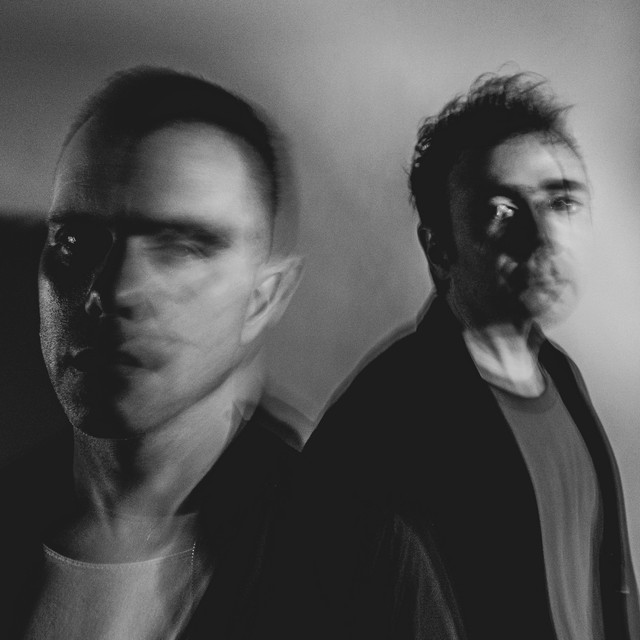

About Electroclash
Electroclash is a music genre that fuses the chrome sheen of 1980s synth-pop with the raw edge of electro and post-punk, wrapped in a dance-floor sensibility. It emerged around the turn of the millennium, crystallizing in the early 2000s as a distinctive scene in New York and Berlin. Musically, it sits at the crossroads of synthetic pop, techno, and DIY performance art, often flirting with irony and fashion as much as with sound.
The sonic character of electroclash is built on crisp, machine-forward beats, recycled basslines, and lush if abrasive analog synths. Vocals tend to be deadpan, robotic, or spoken-sung, delivering a cool, detached attitude that can feel both sexy and confrontational. The tempo typically sits in a brisk but club-friendly range, roughly 110 to 125 BPM, making tracks feel propulsive without being relentless. A hallmark is the juxtaposition of glossy, pop-facing hooks with rougher, lo-fi textures, creating a paradox of polish and grit that suits late-night, art-district venues as easily as festival main stages.
Originators and ambassadors of the sound include a handful of acts whose work became emblematic of the scene. Fischerspooner, a New York duo, helped anchor electroclash with their glossy, theatrical approach and the early single “Emerge.” Miss Kittin & The Hacker, a French pairing, served as one of the movement’s most influential voices, with the provocative, punchy energy of tracks like “Frank Sinatra” guiding many listeners into the sound. Chicks on Speed, a Berlin-based collective, blended art rock, performance, and electro-pop, pushing the genre’s avant-garde potential. Peaches, the Canadian performer known for her fearless, gender-bending stage persona, brought punk attitude and club-ready hooks to a broader audience. Ladytron, the UK-based quartet, offered a more melodic, synth-pop-informed strain that broadened electroclash’s appeal beyond the club and into the listening room. German DJ-producers such as DJ Hell helped anchor the sound in the European techno and club scene, contributing a darker, more club-oriented lineage to the movement.
Geographically, electroclash found its strongest footing in Europe and North America. Berlin and New York were the epicenters of the scene, with London and Paris playing crucial supporting roles. The aesthetic spread quickly to other European capitals and to major U.S. cities, as clubs, fashion, and media began to champion the style. The era’s cultural footprint extended beyond music into fashion, graphic design, and performance art, with the genre becoming a shorthand for a retro-futurist, nightlife-informed ethos.
Although the classic electroclash wave peaked roughly between 2001 and 2004, its influence persists. It fed into later synth-pop revivals, indie-electro, and the broader cyberpunk chic that pops up in contemporary electronic and alternative scenes. For enthusiasts, electroclash is a compact history lesson in how to blend nostalgia with immediacy: a reminder that pop culture can be both gleaming and gritty, and that the club can be a space for stylish rebellion as much as for dancing.
The sonic character of electroclash is built on crisp, machine-forward beats, recycled basslines, and lush if abrasive analog synths. Vocals tend to be deadpan, robotic, or spoken-sung, delivering a cool, detached attitude that can feel both sexy and confrontational. The tempo typically sits in a brisk but club-friendly range, roughly 110 to 125 BPM, making tracks feel propulsive without being relentless. A hallmark is the juxtaposition of glossy, pop-facing hooks with rougher, lo-fi textures, creating a paradox of polish and grit that suits late-night, art-district venues as easily as festival main stages.
Originators and ambassadors of the sound include a handful of acts whose work became emblematic of the scene. Fischerspooner, a New York duo, helped anchor electroclash with their glossy, theatrical approach and the early single “Emerge.” Miss Kittin & The Hacker, a French pairing, served as one of the movement’s most influential voices, with the provocative, punchy energy of tracks like “Frank Sinatra” guiding many listeners into the sound. Chicks on Speed, a Berlin-based collective, blended art rock, performance, and electro-pop, pushing the genre’s avant-garde potential. Peaches, the Canadian performer known for her fearless, gender-bending stage persona, brought punk attitude and club-ready hooks to a broader audience. Ladytron, the UK-based quartet, offered a more melodic, synth-pop-informed strain that broadened electroclash’s appeal beyond the club and into the listening room. German DJ-producers such as DJ Hell helped anchor the sound in the European techno and club scene, contributing a darker, more club-oriented lineage to the movement.
Geographically, electroclash found its strongest footing in Europe and North America. Berlin and New York were the epicenters of the scene, with London and Paris playing crucial supporting roles. The aesthetic spread quickly to other European capitals and to major U.S. cities, as clubs, fashion, and media began to champion the style. The era’s cultural footprint extended beyond music into fashion, graphic design, and performance art, with the genre becoming a shorthand for a retro-futurist, nightlife-informed ethos.
Although the classic electroclash wave peaked roughly between 2001 and 2004, its influence persists. It fed into later synth-pop revivals, indie-electro, and the broader cyberpunk chic that pops up in contemporary electronic and alternative scenes. For enthusiasts, electroclash is a compact history lesson in how to blend nostalgia with immediacy: a reminder that pop culture can be both gleaming and gritty, and that the club can be a space for stylish rebellion as much as for dancing.